Top 10 Best I Bar Grating Manufacturers for Global Buyers?
When it comes to choosing the Best I Bar Grating Manufacturer, buyers need to make informed decisions. The market is full of manufacturers, each claiming to offer the best products. However, not all can meet the rigorous standards of quality and durability that I bar grating requires.
Understanding the unique features and applications of I bar grating is essential. These gratings play a crucial role in various industries, providing strength and support. Yet, many manufacturers falter in their quality, leading to potential problems down the line. It's not uncommon for buyers to encounter weak products that do not perform as expected.
Identifying the most reliable manufacturers can be challenging. Buyers must consider factors like material quality, fabrication processes, and industry reputation. Not every manufacturer delivers consistent performance. Therefore, it is essential to research and evaluate potential suppliers thoroughly. This helps ensure that you partner with a trustworthy manufacturer who meets industry needs effectively.
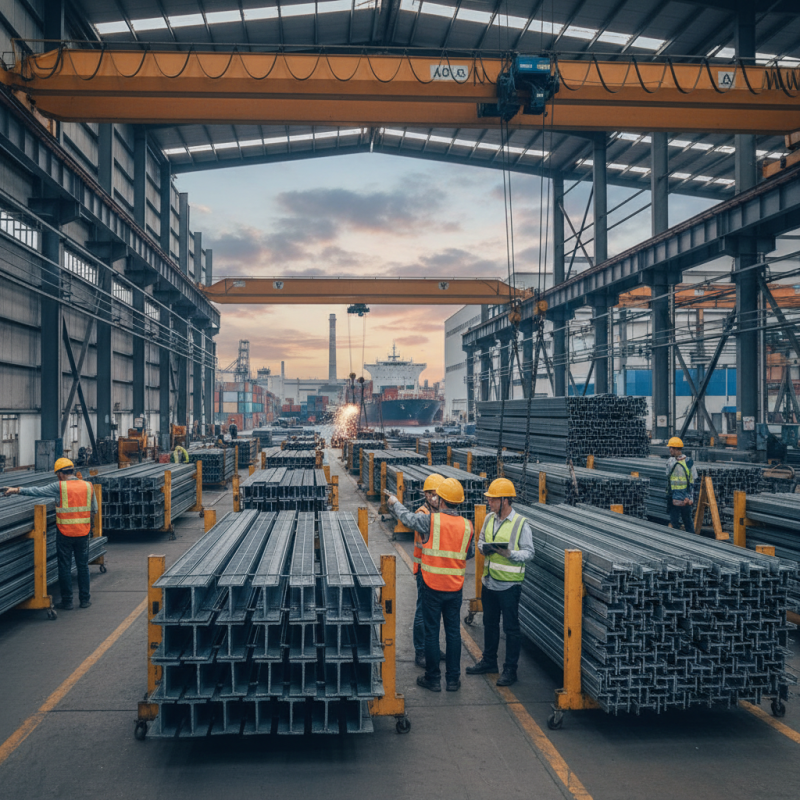
Overview of I Bar Grating and Its Applications
I-Bar grating is a versatile material widely used in various industries. Its primary applications include flooring, walkways, and platforms. This material is known for its strength-to-weight ratio. It's often chosen for heavy-duty environments such as industrial facilities and commercial buildings. The I-bar configuration maximizes open space while maintaining load-bearing capacity.
In recent reports, the global grating market is projected to grow significantly. The demand for I-bar grating is increasing, driven by infrastructure growth and industrial expansion. Studies indicate a compound annual growth rate (CAGR) of approximately 5.3% from 2023 to 2030. Construction applications alone account for a substantial portion of this growth. Safety and lightweight properties make I-bar grating a popular choice.
Despite its advantages, users should reflect on installation challenges. The precision required for fitting can be a hurdle. While I-bar grating offers durability, its maintenance may present concerns in corrosive environments. An understanding of these factors is crucial for effective decision-making. Thorough inspection and appropriate selection can ensure sustained performance and safety.
Criteria for Selecting the Best I Bar Grating Manufacturers
Selecting the best I Bar grating manufacturers involves a careful evaluation of several factors. Quality and durability are crucial elements. Buyers should consider materials used in production. Steel and aluminum are popular choices. They provide strength and resistance to corrosion. Each material has unique properties that can affect performance and lifespan.
Another important criterion is the manufacturer’s experience in the industry. An experienced manufacturer usually understands market demands. They can offer valuable insights and recommendations. Customer service also plays a vital role. Efficient communication can smooth the purchasing process. Buyers should assess response times and support availability.
Evaluating customer feedback is equally essential. Reviews can reveal strengths and weaknesses of manufacturers. They can provide first-hand information about product reliability. Some companies may excel in one area but fall short in another. Staying aware of these inconsistencies helps buyers make informed choices. It’s essential to approach the selection process with a discerning eye.
Top 10 Best I Bar Grating Manufacturers for Global Buyers
| Manufacturer Location | Material Quality | Customization Options | Production Capacity | Export Markets | Customer Service Rating |
| North America | High Standard Steel | Yes | High | Global | 4.5/5 |
| Europe | Premium Aluminum | Yes | Medium | European & Asian Markets | 4.8/5 |
| Asia | Standard Steel | Limited | High | Asia & Africa | 4.0/5 |
| Australia | Reinforced Iron | Yes | Medium | Local & International | 4.6/5 |
| South America | Basic Steel | No | Low | Local | 3.8/5 |
| Middle East | High Quality Stainless Steel | Yes | High | Global | 4.7/5 |
| Africa | Durable Composite | Limited | Medium | Local and Regional | 4.2/5 |
| North America | High Strength Steel | Yes | High | North America & Europe | 4.9/5 |
| Europe | Modified Polypropylene | Yes | High | Global | 4.4/5 |
| Asia | Quality Stainless Steel | Yes | Medium | Regional & Global | 4.3/5 |
Top 10 I Bar Grating Manufacturers: Features and Highlights
When selecting I bar grating manufacturers, quality is paramount. Manufacturers vary in terms of features and performance. Some focus on corrosion resistance, while others emphasize load-bearing capacity. It's crucial to choose a manufacturer that aligns with your specific requirements.
Different manufacturers may offer distinct finishes. For instance, hot-dipped galvanization can enhance durability, while powder coating provides aesthetic appeal. Each option has its pros and cons. It's essential to consider the environment where the I bar grating will be installed. This will influence your choice of material and finish.
Tip: Always request samples before making a bulk order. This helps ensure that the product meets your standards. Additionally, verify the manufacturer's credentials and certifications to ensure reliability.
Some manufacturers may offer customizable options. This allows for tailored solutions that fit unique projects. However, customization can also lead to longer lead times. Weigh the benefits against the timeline.
Tip: Communicate your specifications clearly to avoid misunderstandings. Inadequate communication can lead to errors and additional costs. Thorough research and clear dialogue are critical in the selection process.
Comparative Analysis of Global I Bar Grating Suppliers
When evaluating global I bar grating suppliers, a comparative analysis reveals critical insights. The I bar grating market is projected to reach USD 1 billion by 2025, driven by rapid industrialization and infrastructure growth. Regions such as North America and Asia-Pacific lead in production and consumption. A recent market report indicates that approximately 30% of global demand comes from construction applications, highlighting the material's durability and strength.
However, the quality and performance of I bar grating can vary significantly among manufacturers. Dimensions, material composition, and load-bearing capabilities must be considered when making selections. Some suppliers may offer limited customization options. Ensure to assess certifications and compliance with industry standards, as this impacts safety and reliability in end-use applications.
Tips for buyers: thoroughly research supplier backgrounds and gather reviews from previous clients. Analyze product specifications and inquire about testing procedures. Balancing cost with quality is crucial; the cheapest option may not always deliver the best long-term value.
Top 10 Best I Bar Grating Manufacturers: Comparative Analysis
Future Trends in I Bar Grating Manufacturing and Innovation
The I bar grating manufacturing industry is evolving rapidly. Innovations in materials and technology significantly enhance the performance and durability of these products. Eco-friendly materials are becoming more prevalent. Sustainable practices drive many manufacturers to improve their processes. This trend responds to global environmental concerns.
As manufacturers embrace automation, production efficiency increases. Advanced machinery can produce grating faster and with greater precision. However, this shift poses challenges. Companies must invest in training their workforce to adapt to new technologies. Ensuring quality while maximizing production speed is a constant balancing act.
Tips: Always assess the material properties before selecting I bar grating. This ensures it meets your project's specific needs. Evaluate a manufacturer’s track record in adopting innovation. A reliable partner often leads in technological advancements. Conducting thorough research can prevent future regrets in your decision-making process.
