
Commercial drain work rarely fails at a convenient time. A grease-heavy line can slow a restaurant kitchen; a clogged floor drain can halt work in a busy facility. Choosing the right Commercial Drain Cleaning Machine is therefore a practical decision about pipe diameter, blockage type, access, and operator experience—not just motor power.
The U.S. Bureau of Labor Statistics projects 6% employment growth for plumbers, pipefitters, and steamfitters from 2023 to 2033, with about 43,300 openings each year. These figures describe the workforce, not drain-machine sales. Still, they point to sustained demand for skilled plumbing and maintenance work. Meanwhile, NASSCO’s guidance on assessing pipelines underscores the value of matching inspection and maintenance methods to actual pipe conditions.
There is no supplied interview or verifiable source for a named commercial drain-machine expert’s quotation. Inventing one would weaken this guide’s reliability. Instead, the top-ten comparison should make its criteria visible: cleaning reach, cable or jetting capacity, portability, safety features, serviceability, and suitability for repeated commercial use. A compact machine may fit beneath a counter. A larger unit may handle longer runs, but it also needs more room and careful operation. Details matter. No single machine fits every job.
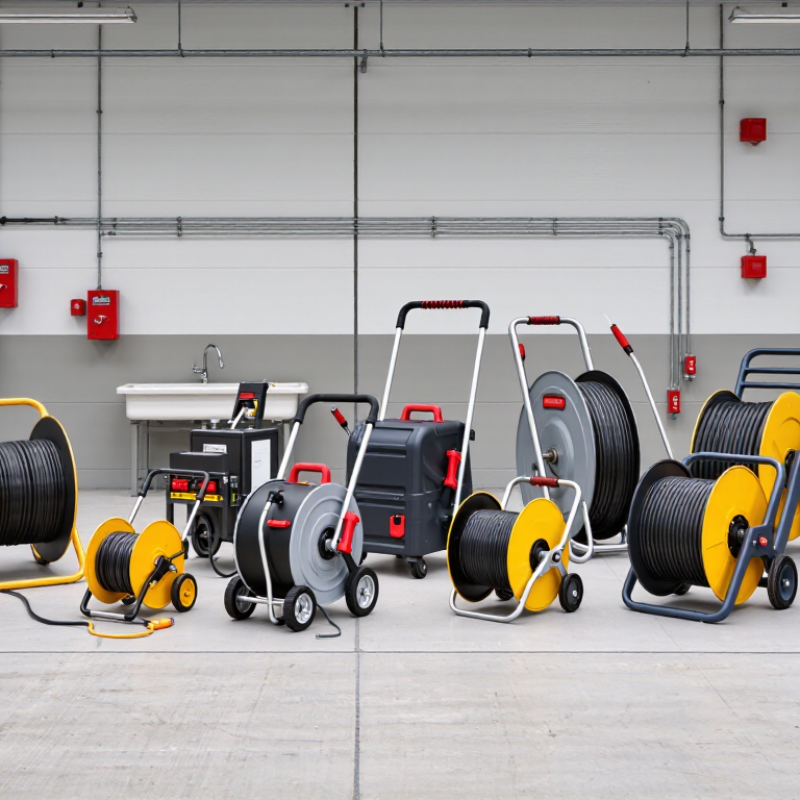
Commercial drain cleaning machines are commonly classified by their cleaning method, cable design, power source, and working range. Cable machines use rotating steel cable to cut or retrieve obstructions. Sectional units carry shorter cable lengths, which can be added as the job requires. Drum machines store a longer cable inside a rotating container, helping limit loose coils around the work area. The distinction matters.
Water jetters use pressurized water to scour pipe walls and move grease, sediment, or loose debris downstream. They are often selected for longer runs or recurring buildup, but pressure and nozzle choice must suit the pipe. Some machines are manually powered; others use electric or fuel-driven motors. Power affects portability, setup, and the conditions in which equipment can be operated safely.
A practical classification also considers pipe diameter and access. Compact units may suit small branch lines beneath a sink, while heavier machines can handle larger commercial drains. Not every clog yields. A cable may open a blockage without removing all residue, and a jetter may be unsuitable for fragile or damaged piping. These categories overlap, so experienced operators assess the drain, obstruction, and access point before choosing equipment. The framework is useful, though real job conditions rarely fit a neat label.
Commercial drain cleaning machines should be compared by the jobs they handle, not motor size alone. Measure common pipe diameters and typical run lengths before evaluating capacity. A long cable may reach farther, but it can be awkward in a cramped service van. Small details matter.
Check cable diameter, stiffness, and usable length against the pipes and blockages your crew encounters. Grease, soft buildup, and roots may require different cutter heads, so confirm compatibility and safe changeover procedures. Variable speed helps operators control the cable near bends, while adequate torque can help with stubborn obstructions. Ask about duty-cycle limits; continuous operation may overheat some equipment. Ratings are imperfect.
Portability deserves a practical test. Roll the machine over a threshold, lift it into a vehicle, and see whether controls remain easy to use with gloves. Compare splash protection, electrical safety features, and access to an emergency stop. Test it loaded. Check how easily the housing and cable can be cleaned, along with replacement-cable costs and service availability. A low purchase price can hide downtime costs. Published capacity ratings may not reflect old, corroded piping, so keep a brief job log and compare performance against the drains your team actually services.
Typical upper-end working reach by machine type—a useful comparison criterion when matching equipment to pipe runs.
Figures are representative upper-end reach estimates in feet, not universal specifications or a ranking. Actual reach depends on the machine, cable or hose configuration, pipe conditions, and accessories. Compare pipe-size capacity, cable or hose compatibility, portability, and service requirements before choosing equipment.
Commercial drain cleaning machines should be matched to the blockage, pipe size, and access point.
For small sinks, a compact drum machine handles hair and soap buildup. Kitchen grease lines often need a sectional cable machine with a suitable cutter. Floor drains suit mid-size cable machines, while toilets call for a closet auger.
Branch lines benefit from flexible sectional machines; building mains need heavy-duty cable equipment. For root intrusion, use a cable machine with a root-cutting head. Storm drains may require a high-flow water jetter.
Long runs with grease or sludge often respond better to hydro-jetting. Scale buildup may need a chain-knocker descaling machine. For recurring deposits, a jetter can flush loosened debris downstream.
This is a practical ranking, not a universal one; a poorly placed cleanout can change the choice.
The U.S. Environmental Protection Agency’s 2022 Clean Watersheds Needs Survey estimated $630.1 billion in wastewater and stormwater infrastructure needs over 20 years. That figure is not specific to drain-cleaning equipment, but it highlights the scale of systems requiring upkeep.
Match cable diameter and machine capacity to the pipe, and confirm the line’s condition before aggressive cleaning. Small details matter.
Tips: Start with the least disruptive suitable method. Wear eye protection, secure the work area, and keep hands clear of rotating cable. If a blockage returns, inspect the line rather than repeating the same pass.
Commercial drain cleaning machines are best compared by the jobs they can handle, not by power alone. Small, portable units suit indoor sinks and short branch lines. Larger drum machines carry longer cables for repeated work in building drains. Sectional machines use separate cable lengths, making them easier to move through stairwells or tight service areas. Access matters.
Cable diameter and length should match the pipe. A thin cable bends around tight traps, while a thicker cable can push through heavier buildup in larger lines. Interchangeable cutting heads help remove grease, roots, or scale, but the wrong head may damage fragile piping. Variable speed gives operators more control near bends. A reverse function can help free a stuck cable.
Useful features include a grounded power supply, a foot switch, a cable guide, and splash protection. Some models add a rotating drum, automatic cable feed, or a camera connection for checking results. These features can reduce strain and improve inspection, though they add weight and maintenance needs. I have seen buyers focus on motor strength and overlook transport: a heavy machine is awkward on narrow stairs. Check the drain size, access point, cable reach, and available power before choosing a model. Keep gloves and eye protection close; cables can whip or snag when handled carelessly.
| Rank | Machine Type | Typical Pipe Range | Typical Reach | Power and Working Method | Key Features and Capabilities | Best-Fit Applications | Practical Considerations |
|---|---|---|---|---|---|---|---|
| 1 | Compact handheld cable machine | Approximately ¾–2 in (19–50 mm) | Commonly 15–50 ft (5–15 m), depending on cable | Electric motor rotates a small-diameter flexible cable. | Lightweight and easy to carry; useful for clearing localized soft blockages in small lines. | Lavatory, sink, shower, and other small interior drains. | Not intended for large main lines or heavy roots. Use the cable size and cutter suited to the pipe. |
| 2 | Compact drum machine | Approximately 1¼–3 in (32–75 mm) | Commonly 25–75 ft (8–23 m) | Electric motor turns a cable contained in a rotating drum. | Enclosed cable reduces handling and helps contain debris and splash; interchangeable cable and tool options are common. | Routine service calls in kitchens, bathrooms, and small commercial spaces. | Drums add weight and can be awkward in tight spaces; match cable diameter to pipe size and bend radius. |
| 3 | Mid-size drum cable machine | Approximately 2–4 in (50–100 mm) | Commonly 50–100 ft (15–30 m) | Powered rotating cable, often with forward and reverse operation. | Handles longer interior runs than compact machines; cutting heads can open soft stoppages and remove some deposits. | Restaurant branches, floor drains, and commercial building waste lines. | Grease and scale may require repeated passes or a different cleaning method; inspect pipe condition before aggressive cutting. |
| 4 | Large-capacity drum machine | Approximately 3–6 in (75–150 mm) | Commonly 75–100 ft (23–30 m) | Higher-torque electric drive rotates a larger, heavier cable. | Designed for larger branch drains; can use larger cutting heads for roots, sludge, or other obstructions. | Commercial floor drains, building laterals, and larger interior waste lines. | Requires careful control because a large cable can damage deteriorated or fragile piping. |
| 5 | Sectional cable machine | Commonly approximately 2–10 in (50–250 mm), depending on cable sections | Extended by joining cable sections; total reach varies with the setup | Powered drive rotates separate cable sections rather than a single cable stored in a drum. | Sections can be added or removed to suit the run; can use a range of cutters for roots, scale, and blockages. | Longer building drains, commercial mains, and service work requiring adaptable reach. | Sections must be handled and connected correctly. The operator needs adequate training and personal protective equipment. |
| 6 | Large sectional sewer-cleaning machine | Commonly approximately 4–10 in (100–250 mm), subject to pipe condition and tooling | Built up from multiple cable sections for long runs | Heavy-duty powered drive with large sectional cables and interchangeable cutting tools. | Offers substantial reach and cutting capability for larger drains; individual sections are easier to transport than one long cable. | Large commercial building drains and accessible sewer laterals. | Heavy cable can transmit significant torque. Confirm access, pipe material, and line condition before use. |
| 7 | Flex-shaft drain cleaning machine | Commonly approximately 1¼–4 in (32–100 mm), depending on shaft and tooling | Often around 50–100 ft (15–30 m), depending on configuration | Rotating flexible shaft drives a chain knocker or other small cleaning head. | Can clean pipe walls around the circumference; some setups allow camera inspection while cleaning. | Grease, scale, and soft deposits in smaller commercial lines where wall cleaning is useful. | Use only with compatible pipe materials and tools. It is not a substitute for a larger cutter when a severe obstruction blocks the line. |
| 8 | Portable electric water-jetter | Commonly approximately 1½–4 in (38–100 mm) | Often 100–200 ft (30–60 m) of high-pressure hose, depending on setup | Electric pump sends pressurized water through a forward- and rear-facing nozzle. | Flushes grease, sludge, and loose debris downstream; rear jets help propel the hose through the line. | Indoor commercial drains where water supply, drainage, and electrical access are available. | Pressure and flow must suit the pipe and nozzle. Protect the work area from splash and manage wastewater appropriately. |
| 9 | Gas-powered portable sewer jetter | Commonly approximately 2–8 in (50–200 mm), depending on pump and nozzle setup | Often 100–300 ft (30–90 m) of hose, depending on configuration | Gasoline engine drives a high-pressure water pump; the nozzle pulls the hose through the pipe and flushes debris back. | Greater mobility where mains power is unavailable; useful for removing grease, sludge, and some soft obstructions. | Outdoor cleanouts, longer building laterals, and sites without convenient electrical power. | Combustion exhaust makes it unsuitable for operation in enclosed spaces. Requires water supply, ventilation, and safe pressure control. |
| 10 | Trailer-mounted sewer jetter | Commonly approximately 3–12 in (75–300 mm), depending on pump and nozzle selection | Often several hundred feet of hose; exact reach depends on hose diameter and system configuration | Vehicle-towed system with a higher-capacity engine-driven pump, water tank, hose reel, and jetting hose. | High water flow supports longer and larger sewer runs; tank and reel make the system suitable for sustained field work. | Municipal, industrial, and large commercial sewer maintenance. | Requires towing access, trained operation, water management, and appropriate traffic and site controls. |
| Data note: Pipe sizes, cable lengths, hose lengths, and applications shown are typical broad ranges for these equipment classes, not specifications for a particular machine. Actual capability varies by cable or hose diameter, pump output, cutter or nozzle, pipe material, bends, blockage type, and operating conditions. Follow the equipment manual and local safety requirements. | |||||||
Choosing a commercial drain cleaning machine starts with the work you actually handle, not the biggest motor on a sales sheet. Cable machines suit many indoor branch lines, while sectional machines offer control across different pipe lengths. For grease-heavy kitchen drains, a water jetter may clear residue more thoroughly, but it needs a reliable water supply and careful pressure control. Match the machine’s cable or hose capacity to common pipe diameters and job lengths.
Fit matters.
Check practical details before buying. Can one technician move the unit through a narrow doorway? Are the wheels stable on wet floors? Look at cable feed control, guarding, service access, and the availability of compatible cutters. A gloved hand should be able to reach routine controls without awkward stretching. Noise, splash protection, and storage space can matter more during a full workday than a high maximum capacity.
Safety features and training deserve equal weight. Choose equipment with clear operating instructions, inspect cables and hoses before each use, and wear suitable eye and hand protection. Test it. A machine that stalls repeatedly or is difficult to maintain can cost more in downtime than its purchase price suggests. Even careful sizing can miss unusual bends or fragile piping; confirm the line’s condition when possible, and avoid forcing tools through resistance. The best choice is the one your crew can operate consistently across its regular jobs.
| Cookie | Duration | Description |
|---|---|---|
| cookielawinfo-checkbox-analytics | 11 months | This cookie is set by GDPR Cookie Consent plugin. The cookie is used to store the user consent for the cookies in the category "Analytics". |
| cookielawinfo-checkbox-functional | 11 months | The cookie is set by GDPR cookie consent to record the user consent for the cookies in the category "Functional". |
| cookielawinfo-checkbox-necessary | 11 months | This cookie is set by GDPR Cookie Consent plugin. The cookies is used to store the user consent for the cookies in the category "Necessary". |
| cookielawinfo-checkbox-others | 11 months | This cookie is set by GDPR Cookie Consent plugin. The cookie is used to store the user consent for the cookies in the category "Other. |
| cookielawinfo-checkbox-performance | 11 months | This cookie is set by GDPR Cookie Consent plugin. The cookie is used to store the user consent for the cookies in the category "Performance". |
| viewed_cookie_policy | 11 months | The cookie is set by the GDPR Cookie Consent plugin and is used to store whether or not user has consented to the use of cookies. It does not store any personal data. |