Top 10 Compressor Boring Machine Brands for Global Buyers
Demand for underground construction equipment is expanding, but buyers need more than impressive catalog claims. Fortune Business Insights valued the global tunnel boring machine market at approximately USD 7.09 billion in 2024. The same report projects it could reach USD 10.52 billion by 2032. These figures do not isolate the Compressor Boring Machine segment. That limitation matters.
Compressor Boring Machine performance depends on air delivery, drilling torque, bore diameter, ground conditions, and service support. A machine may look powerful on paper. It may still struggle in fractured rock, dusty sites, or remote projects. Buyers should compare compressor pressure, air volume, penetration rate, component life, and maintenance access. Real operating records often reveal more than brochure specifications.
Martin Herrenknecht, founder of Herrenknecht AG, has repeatedly emphasized the strategic importance of underground construction, stating, “The future is underground.” His view reflects a wider industry shift toward utility tunnels, transport links, mining access, and trenchless installation. The International Tunnelling and Underground Space Association also highlights underground infrastructure’s role in resilient urban development.
This guide reviews ten Compressor Boring Machine brands for global buyers. It considers engineering capability, production experience, regional availability, operator feedback, and after-sales support. No ranking is universally correct. A leading brand in granite may underperform in soft clay. A lower-cost model may become expensive when spare parts arrive slowly.
The comparison is practical, not perfect. Data quality differs between manufacturers. Buyers should verify certifications, test results, warranty terms, and local service capacity before purchasing. A strong machine is valuable. Reliable support keeps it working.
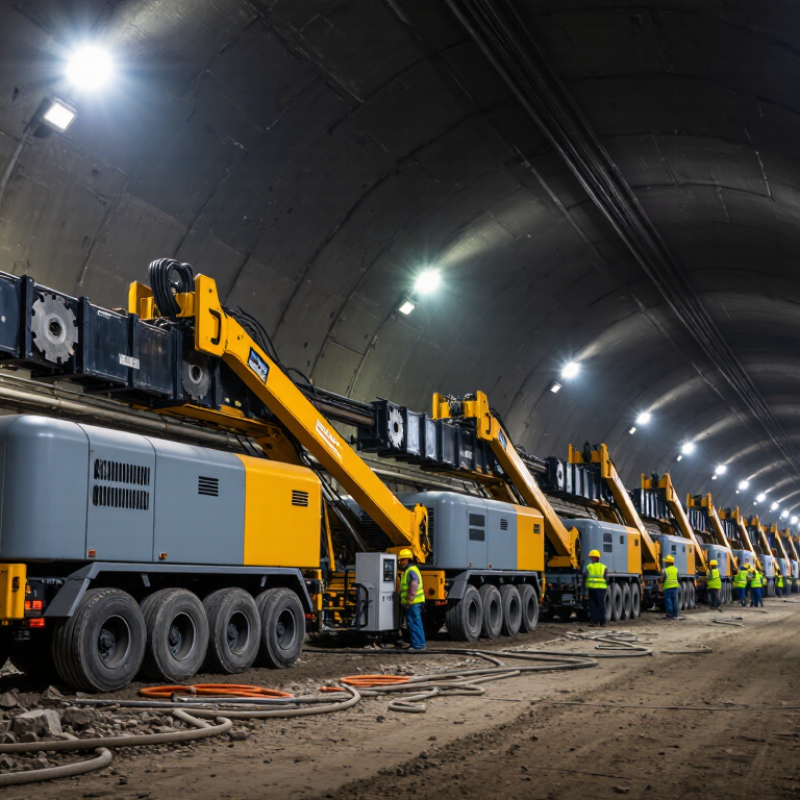
What Is a Compressor Boring Machine and Where Is It Used?
A compressor boring machine is a drilling unit powered by compressed air. The compressor supplies steady airflow to rotate the tool, drive a pneumatic hammer, and remove cuttings from the hole. Unlike ordinary surface drills, it can work through compact soil, weathered rock, concrete, or mixed ground conditions. The exact result depends on pressure, airflow, bit design, and operator control.
These machines are used for water-well drilling, geotechnical testing, foundation anchoring, quarry work, and selected utility projects. A typical site may show steel rods turning beside a dusty borehole, while air carries loose material back to the surface. Global buyers should check drilling depth, hole diameter, mobility, fuel use, noise levels, and service access. A machine that performs well in dry rock may struggle in wet clay. That detail is easy to overlook.
Tips: Match the compressor to the machine’s required airflow and working pressure. Ask for verified test data, maintenance records, spare-parts availability, and operator training. Inspect the air hoses and filters before every shift. Small leaks can reduce drilling power quickly. Local soil data also matters. Catalogue figures rarely tell the whole story. In practice, buyers sometimes choose maximum power when better control would be more useful. That decision deserves a second look.
How to Evaluate Compressor Boring Machine Brands Worldwide
Top 10 Compressor Boring Machine Brands for Global Buyers
Evaluating compressor boring machine brands requires more than comparing catalog prices. Start with measurable performance. Check bore diameter, drilling depth, air consumption, torque, and operating pressure. Match these figures with your soil conditions and project scale. A machine designed for soft ground may struggle in compacted clay or fractured rock. Ask for test records from similar projects, not polished sales claims. Experienced suppliers should explain cutter wear, vibration control, and expected maintenance intervals clearly.
Reliability also depends on support after delivery. Review warranty terms, technician response times, spare-parts availability, and training options in your region. Confirm electrical standards, transport requirements, and documentation before purchasing. Independent certifications can improve confidence, but they do not replace field references. Speak with contractors who used the equipment for several months. Their feedback may reveal overheating, difficult cleaning, or slow parts delivery. These details matter. A low purchase price can become expensive when downtime increases. Still, no evaluation scorecard is perfect. I would leave room for site-specific risks and changing soil conditions.
Tips: Build a comparison sheet with verified data. Request videos of live operation. Inspect welds, hose routing, control panels, and emergency stops. Calculate total ownership cost over five years, including fuel, labor, tooling, service, and downtime. Also, ask whether training is practical or merely theoretical. A short demonstration is useful, but supervised operation provides stronger evidence. Recheck every claim in writing. Gateway specifications sometimes look impressive, yet real productivity remains uncertain.
How to Evaluate Compressor Boring Machine Brands Worldwide
A practical procurement framework for comparing global suppliers without relying on brand names.
The chart presents a suggested 100-point evaluation model for compressor boring machines. Performance, reliability, total cost of ownership, after-sales support, safety compliance, and parts availability are key factors for international buyers. The percentages represent evaluation priorities rather than data from any individual company or brand.
Top 10 Compressor Boring Machine Brands for Global Buyers
Choosing among the top 10 compressor boring machine brands for global buyers requires more than comparing catalog prices. A reliable machine should match ground conditions, bore diameter, air demand, and daily production targets. Buyers should inspect compressor output, drilling torque, cooling performance, and control-system response. These details become critical on dusty sites or during long underground runs.
Field experience shows that service support often matters more than a polished brochure. Check spare-part availability, technician coverage, warranty terms, and operator training. Ask for test records under similar soil conditions. Review vibration levels, fuel consumption, noise control, and emergency shutdown functions. Small design choices matter. A strong dust separator can protect the compressor and reduce maintenance delays.
No ranking is perfect. Site conditions change. A compact machine may perform better in a narrow urban project, while a larger unit suits open ground and deeper boring. Some buyers also overlook transport weight and local electrical standards. That mistake can create expensive delays. I would compare at least three technical proposals before selecting a supplier. Request clear data, not vague claims. Visit a working installation when possible. Real performance is easier to judge beside a running machine.
Top 10 Compressor Boring Machine Brands for Global Buyers
Brand-neutral technical benchmark for compressor-cylinder boring machine selection
Typical specifications and buyer considerations are presented as market-reference ranges; actual values vary by machine configuration and tooling. | No. | Machine Configuration | Typical Bore Diameter | Typical Boring Length | Spindle Speed Range | Typical Motor Power | Control System | Best-Fit Application | Key Buying Factor |
| 1 | Portable Line-Boring Unit | 40–250 mm | Up to 1,500 mm | 100–1,000 rpm | 1.5–7.5 kW | Manual or variable-speed drive | On-site repair of compressor frames and housings | Portability, setup time, and alignment accuracy |
| 2 | Portable Cylinder-Boring System | 80–350 mm | Up to 1,200 mm | 80–800 rpm | 2.2–11 kW | Digital feed control | Reciprocating and rotary compressor cylinders | Bore roundness, surface finish, and tooling range |
| 3 | Horizontal Boring Mill | 100–500 mm | 500–2,000 mm | 20–1,500 rpm | 7.5–30 kW | Manual, DRO, or CNC | Large compressor blocks and industrial housings | Table size, travel, rigidity, and floor loading |
| 4 | CNC Horizontal Boring Machine | 80–400 mm | 600–2,500 mm | 20–3,000 rpm | 11–45 kW | CNC with digital feedback | Repeat production of precision compressor parts | Positioning accuracy, repeatability, and programming support |
| 5 | Vertical Boring Machine | 300–1,600 mm | 300–1,000 mm | 10–500 rpm | 15–75 kW | CNC or programmable control | Large-diameter compressor casings and end covers | Maximum workpiece diameter and chuck capacity |
| 6 | Deep-Bore Honing and Boring Line | 100–600 mm | 1,000–4,000 mm | 20–300 rpm | 11–55 kW | PLC with automatic feed | Long cylinders requiring controlled bore geometry | Straightness, cylindricity, and internal surface finish |
| 7 | Multi-Axis CNC Boring Center | 50–350 mm | 400–1,500 mm | 50–6,000 rpm | 15–60 kW | 3–5 axis CNC | Complex compressor blocks with intersecting passages | Axis travel, workholding flexibility, and CAD/CAM compatibility |
| 8 | Heavy-Duty Floor-Type Boring Machine | 200–1,200 mm | 1,000–5,000 mm | 10–800 rpm | 30–150 kW | CNC with hydrostatic or linear guidance | Heavy compressor frames and oversized pressure vessels | Load capacity, thermal stability, and foundation requirements |
| 9 | Precision Jig-Boring Machine | 20–200 mm | 200–800 mm | 50–2,000 rpm | 3–15 kW | High-resolution CNC or DRO | Valve seats, mounting holes, and precision compressor components | Micron-level positioning, temperature control, and metrology |
| 10 | Modular Production Boring Cell | 60–300 mm | 300–1,200 mm | 100–4,000 rpm | 7.5–37 kW | CNC with automated gauging option | Medium-to-high-volume compressor component production | Cycle time, automation integration, and service availability |
Global buyer checklist: Confirm electrical supply, metric or imperial tooling, applicable safety requirements, dimensional inspection method, spare-parts availability, operator training, installation conditions, warranty coverage, and local technical support before purchase.
Comparing Brand Strengths, Technologies, and Market Coverage
Top 10 Compressor Boring Machine Brands for Global Buyers
Comparing Brand Strengths, Technologies, and Market Coverage
A top-ten shortlist is useful, but brand strength needs evidence. Service matters more than glossy specifications. Buyers should compare air delivery, pressure stability, drilling depth, fuel use, and control-system reliability. Variable-speed compressors can reduce idle consumption, while improved filtration protects equipment in dusty limestone or clay sites. The International Energy Agency reports that compressed-air systems can represent around 10% of industrial electricity consumption. That figure makes efficiency a purchasing issue, not a minor technical detail.
Technology alone does not define market coverage. A strong supplier should provide regional spare parts, trained technicians, clear warranty terms, and manuals in the buyer’s working language. The U.S. Department of Energy’s Compressed Air Systems Sourcebook notes that leaks may waste 20–30% of compressor output. Remote monitoring can identify pressure loss beside a highway trench before production stops. Buyers should also request performance data measured under recognized standards, such as ISO 1217. Published rankings remain imperfect. Many reports compare revenue, not field uptime or repair speed. Market estimates also vary because boring machines, compressor packages, and drilling rigs are often grouped differently. A practical evaluation should score lifecycle cost, operator safety, noise control, emissions compliance, and local support over five years. Price still matters. It should not lead the decision.
Key Factors for Selecting the Right Global Supplier
Top 10 Compressor Boring Machine Brands for Global Buyers
Key Factors for Selecting the Right Global Supplier
When comparing compressor boring machine suppliers, global buyers should start with evidence, not polished catalogs. Ask for audited factory capacity, traceable component records, and recent export references. A credible supplier can explain bore diameter tolerance, air delivery, duty cycle, and maintenance intervals clearly. Request test certificates under ISO 1217 where applicable. Also inspect final testing through video or a live factory visit. Small details matter. A drifting pressure gauge may reveal weak quality control.
The U.S. Department of Energy reports that compressed air can consume about 10% of industrial electricity. Its compressed air guidance also estimates that leaks may waste 20–30% of compressor output.
Therefore, compare lifecycle cost, not only purchase price. Check specific power, noise, filtration, cooling performance, spare-part access, and technician response times. For remote projects, confirm whether critical seals and filters can arrive within days. “Fast delivery” is too vague.
Supplier selection also requires regional service competence. Review warranty exclusions, commissioning duties, training, manuals, and controls for connected equipment.
The International Energy Agency’s Energy Efficiency 2023 report highlights efficiency as a major industrial opportunity.
Still, advertised savings need field measurements. Ask for baseline readings and acceptance criteria. Be cautious with perfect payback claims. Soil conditions, operator habits, and climate can change results. Pilot testing is wiser than trusting a spreadsheet alone.
