
Superabrasive

Top 10 Water Drilling Rig Manufacturers for Global Buyers

Groundwater is easy to overlook until a well runs dry. UNESCO’s 2022 World Water Development Report says groundwater represents about 99% of Earth’s liquid freshwater. It also supplies roughly half of domestic water withdrawals and about one-quarter of irrigation withdrawals worldwide. These figures make reliable drilling equipment more than a procurement detail. In remote areas, rig access, fuel use, maintenance support, and operator training can shape whether a project stays on schedule.

This guide examines 10 Water Drilling Rig manufacturers serving global buyers. It considers practical factors such as drilling methods, depth capabilities, mobility, spare-parts access, and after-sales support. A rig suited to fractured rock may not be the right choice for loose sediments. Neither will the largest machine automatically deliver the best value. Buyers should compare manufacturer specifications with local geology, water demand, transport limits, and available service networks. Small details matter. A difficult-to-source component can keep equipment idle for weeks. Manufacturer claims also deserve careful checking against project requirements and independent documentation. No shortlist is perfect; performance depends on the site, crew, and maintenance plan. The rankings are a starting point, not a substitute for technical evaluation.
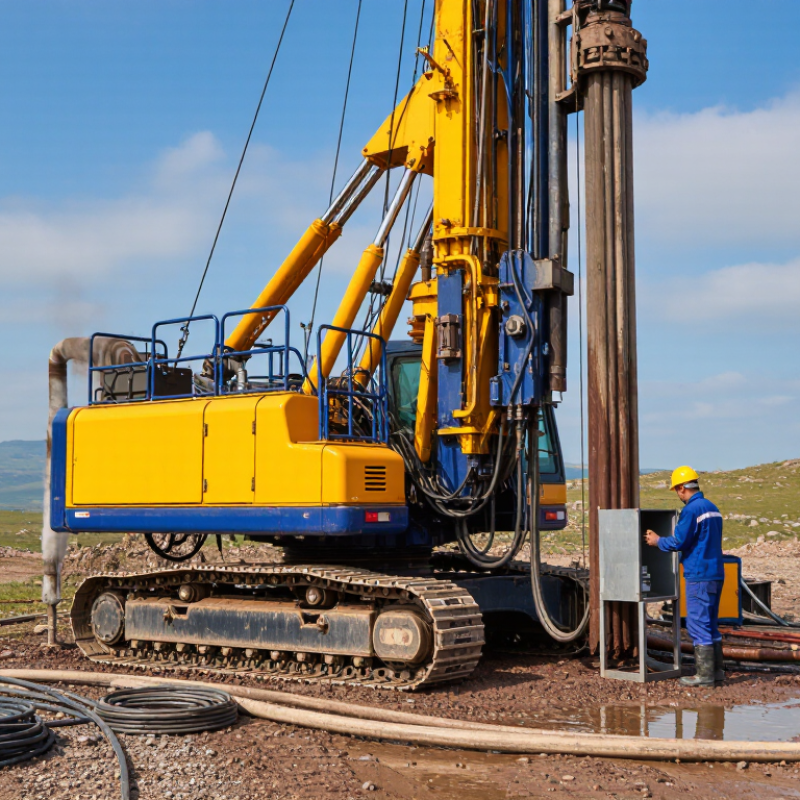
Top 10 Water Drilling Rig Manufacturers for Global Buyers

Water Drilling Rigs: Types, Applications, and Key Features

Water-drilling rigs vary with ground conditions, required depth, and site access. Rotary rigs use a rotating bit and drilling fluid or air to remove cuttings. Down-the-hole hammer rigs suit hard rock, where impact energy helps advance the bore. Cable-tool rigs lift and drop a heavy bit, though drilling is generally slower. Geology decides.

The choice has practical importance. UNESCO’s 2022 World Water Development Report estimates that groundwater supplies about half of domestic water withdrawals and roughly one-quarter of irrigation withdrawals. The WHO/UNICEF Joint Monitoring Programme reported that 2.2 billion people lacked safely managed drinking water in 2022. These figures describe broad needs, not a direct count of drilling projects. Still, they show why reliable groundwater access matters.

Compare rigs by drilling depth, torque, pullback force, mast capacity, and mobility. Mud pumps help stabilize some formations; air compressors can clear cuttings in suitable conditions. For rocky ground, hammer compatibility and compressor output matter. For remote sites, transport width, setup time, and fuel use can shape the real cost more than headline drilling speed. A powerful rig is not automatically the right one. Soil layers can change unexpectedly, and specifications alone cannot replace a competent site assessment.

How to Evaluate Water Drilling Rig Manufacturers

A water drilling rig should match the ground it will actually encounter, not just a depth figure in a brochure. Ask manufacturers to explain rated depth alongside bore diameter, casing size, and expected formations. A rig suited to soft alluvial soil may struggle in fractured rock. Numbers need context. Compare mast capacity, rotary torque, feed force, and the pump or compressor requirements for your planned method.

Request operating records from projects with similar ground conditions. Useful evidence includes drilling logs, downtime notes, maintenance intervals, and details of any major repairs. Ask how the rig is inspected before delivery, and whether operators receive practical training. A polished demonstration is helpful, but it cannot replace a conversation with a working crew. Ask for proof. This check is easy to skip.

Service support matters after the machine reaches the site. Confirm which wear parts are stocked, typical delivery times, and who can diagnose faults remotely or in person. Get customization limits, commissioning responsibilities, and warranty conditions in writing. Be cautious when every question receives a confident yes; complex ground rarely behaves exactly as planned. I would also ask what the manufacturer would not recommend for your project. That answer can reveal more than another impressive specification.

Top 10 Water Drilling Rig Manufacturers for Global Buyers - How to Evaluate Water Drilling Rig Manufacturers

Buyer evaluation framework: The rows below are ten assessment criteria, not a ranked list of named companies. Compare manufacturers using documented evidence for the specific rig model and destination market.

No. Evaluation Dimension What to Check Evidence to Request Why It Matters to Global Buyers
1 Drilling method and application fit Confirm whether the rig is designed for the intended method, such as rotary drilling, down-the-hole hammer drilling, or a combination. Match it to the ground conditions and well purpose. Model-specific technical data, method description, recommended applications, and references for comparable ground conditions. A rig suitable for one formation or drilling method may not perform well in another. Application fit should be established before comparing price.
2 Documented operating specifications Review the stated drilling depth, borehole diameter range, feed force, rotation speed, torque, and operating weight. Check how each figure is defined. A current datasheet and operating manual for the quoted configuration, including stated test conditions and optional equipment. Specifications can vary with tooling, formation, and configuration. A maximum figure alone is not a guarantee of performance at a particular site.
3 Power system and fuel requirements Check engine or motor type, rated power, fuel requirements, emissions documentation where applicable, and compatibility with local service practices. Engine or motor documentation, emissions certificates if required, fuel and maintenance guidance, and a list of compatible service parts. Power-system suitability affects operating costs, regulatory compliance, service access, and the buyer’s ability to keep the rig running.
4 Mobility and site access Assess the chassis type, transport dimensions, operating weight, ground clearance, setup requirements, and access constraints at the worksite. Dimensioned drawings, shipping weight and dimensions, transport instructions, and setup procedures. Transport limits, terrain, and site access can determine whether a rig can be delivered and operated safely at the intended location.
5 Safety features and compliance Check guarding, emergency stops, operator controls, warning labels, stability provisions, and documentation required for the destination market. Risk and safety documentation, applicable conformity documents, operator instructions, and photographs or inspection records for the quoted model. Requirements differ by jurisdiction and application. Buyers should verify applicable rules with the relevant authorities or qualified advisers.
6 Build quality and quality control Ask how fabrication, assembly, inspection, and testing are controlled. Clarify which components are standard and which are sourced or optional. Quality-management documentation where available, inspection checklists, test records, component specifications, and a factory inspection option. Consistent inspection and traceable component details help buyers assess manufacturing control without relying solely on sales claims.
7 After-sales service and spare parts Confirm warranty terms, technical support channels, service coverage, parts availability, and the process for diagnosing and resolving faults. Written warranty terms, parts catalogue, support response process, recommended spare-parts list, and details of any local service arrangements. Downtime and parts lead times can affect the total cost of ownership, especially when the rig operates far from the manufacturer.
8 Operator training and documentation Check whether operating, maintenance, and safety instructions are available in a language the crew can use and whether training is included or available. Sample manuals, training syllabus, delivery handover checklist, and details of remote or on-site training options. Clear instructions and proper handover support safe operation and routine maintenance by the buyer’s team.
9 Export, delivery, and installation readiness Clarify the delivery basis, packing method, lead-time assumptions, export documents, installation scope, and responsibilities for transport and commissioning. Written quotation with a defined Incoterms® rule and named place, packing list, estimated schedule, and a document checklist for the destination. Clear allocation of shipping, insurance, customs, and commissioning responsibilities reduces avoidable delays and cost disputes.
10 Total cost and commercial transparency Compare the complete delivered configuration, including tooling, pumps or compressors if needed, taxes and duties where applicable, consumables, and service costs. Itemized quotation, list of inclusions and exclusions, payment terms, warranty scope, and written confirmation of any performance commitments. The lowest equipment price may not represent the lowest ownership cost. Comparing equivalent configurations makes quotations more useful.

Top 10 Water Drilling Rig Manufacturers for Global Buyers

A useful top 10 comparison should assess more than advertised drilling depth. Buyers should match rig type, torque, mast capacity, and pump or compressor output to local geology and borehole design. Ask for duty-cycle data, maintenance intervals, and verified performance from comparable projects. A deep-rated rig is not automatically the right rig.

The need is substantial. FAO AQUASTAT reports that agriculture accounts for about 70% of global freshwater withdrawals. UNESCO’s World Water Development Report 2022 says groundwater provides roughly half of domestic water withdrawals and one-quarter of irrigation water. These figures make reliability and access to replacement parts practical priorities, especially where service technicians are far away. Small details matter: hose connections, filter access, and the time needed to change a worn component.

For global buyers, compare the ten manufacturers using documented specifications, operator training, warranty terms, and regional service coverage. Request references from sites with similar rock conditions, not just polished demonstration footage. No shortlist is perfect. A catalog may omit real maintenance costs, and a high-capacity rig can be poorly matched to a small crew. Verify claims with test records and clear service commitments before purchase.

Comparing Manufacturers by Technology, Capacity, and Market Reach

For global buyers, comparing water drilling rig manufacturers requires more than checking headline prices. Technology determines how reliably a rig handles local geology, from loose alluvium to fractured rock. Look for clear specifications on drilling method, torque, compressor output, and rated depth.

UNESCO’s 2022 World Water Development Report estimates that groundwater supplies about half of domestic water withdrawals worldwide and roughly one-quarter of irrigation withdrawals. That demand makes dependable equipment important, but it does not make every high-capacity rig the right choice.

Capacity should match the actual well program. A rig rated for deep boreholes may be costly to transport and inefficient on shallow projects. Compare mast height, pullback force, component availability, and the time required for routine maintenance. Ask manufacturers for performance records in comparable ground conditions, not just maximum-depth claims.

Market reach matters too: regional service technicians, spare-parts access, and operator training can keep downtime manageable. These details are easy to overlook. A strong brochure is not a service plan.

Tips: Request a written specification for your target depth, bore diameter, and geology. Confirm who can supply wear parts locally, and ask for references from similar projects. Treat published capacities as conditions-dependent; real drilling rates can vary sharply with rock hardness, water levels, and crew experience.

How to Choose a Manufacturer for Your Drilling Project

Top 10 Water Drilling Rig Manufacturers for Global Buyers

How to Choose a Manufacturer for Your Drilling Project

A suitable rig starts with the ground, not a brochure. Record target depth, bore diameter, soil layers, water table, and access constraints before comparing manufacturers. UNESCO’s 2022 World Water Development Report estimates that groundwater supplies about half of domestic water withdrawals and roughly 25% of irrigation withdrawals. That scale makes reliable access important, but it does not make every rig suitable. Ask manufacturers to match their equipment to documented site conditions. Compare mast capacity, rotation torque, feed force, compressor compatibility, and transport dimensions. Field conditions vary.

Check evidence, not just specifications. Request references from projects with similar geology and operating climates, plus service response times and spare-parts lead times. A rig may reach the stated depth in ideal ground, yet perform differently in fractured rock or sticky clay. Ask how the manufacturer defines rated depth and what tooling that figure assumes. Review operator training, maintenance schedules, warranty exclusions, and inspection records. If possible, observe a factory test or a comparable field operation. One detail is easy to miss: a low purchase price can become costly when common wear parts are difficult to obtain. I would still challenge any proposal that promises performance without stating the test conditions. Compare the full support package, not only the machine’s headline capacity.

All search results