
Choosing a 316l Stainless Steel Flat Bar supplier takes more than comparing prices. Buyers need to verify grade, dimensions, surface finish, traceability, and delivery terms. The World Stainless Association reported that global stainless-steel crude production reached 58.4 million tonnes in 2023, up 4.6% from 2022. That figure describes crude steel, not flat-bar output, but it shows the scale of the market behind supplier claims. Details matter.
John C. Lippold, a recognized welding-metallurgy author, has written extensively about how material behavior depends on composition, processing, and service conditions. His work supports a practical buying principle: a grade label alone cannot confirm whether a bar suits a specific application. Ask suppliers for a mill test certificate, dimensional tolerances, and clear information about the product’s condition. For example, a bar intended for a corrosive environment may need closer scrutiny of its documented chemistry and finish. A polished sample can look convincing under warehouse lights. Paperwork still counts.
This guide compares leading suppliers for 2026 by product range, documentation, customization, and service. It also considers a limitation: supplier information can change, and published specifications do not replace independent verification. Use the shortlist as a starting point, then confirm current stock, certification, and delivery details directly. A careful check now may prevent costly surprises later.
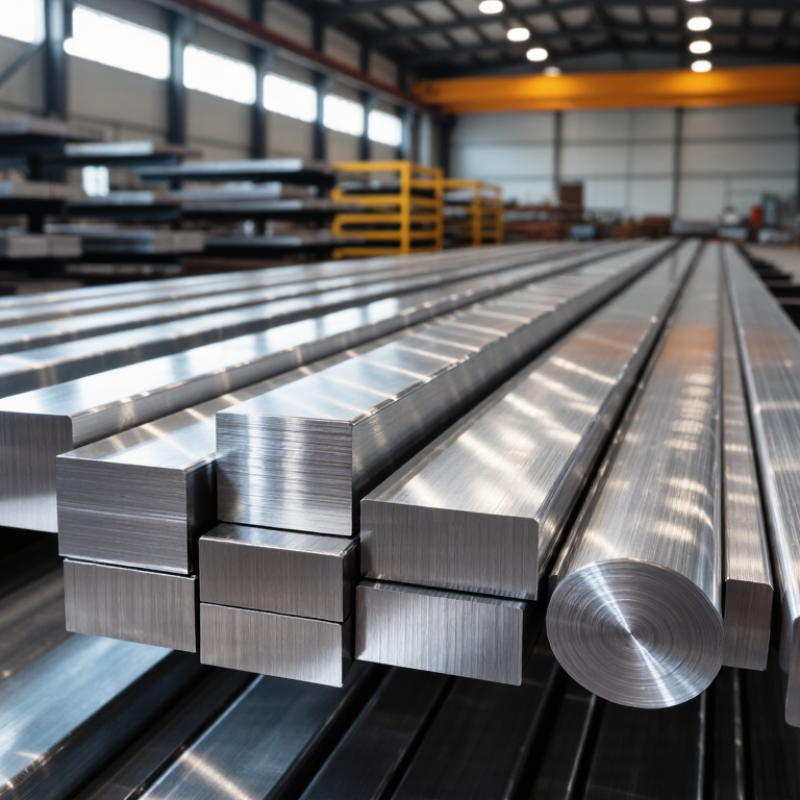
A 316L stainless steel flat bar is a long, rectangular metal section with a low-carbon, austenitic structure. Its broad faces and straight edges make it useful for brackets, frames, supports, and machined components. It is commonly supplied hot-rolled or cold-finished, with dimensions and surface condition varying by specification. Feel the edges: mill scale, burrs, or a smooth finish can affect handling and fabrication.
The “L” means low carbon. ASTM A276/A276M sets a maximum carbon content of 0.03% for 316L, while its typical specification ranges include 16–18% chromium, 10–14% nickel, and 2–3% molybdenum. These composition limits help distinguish the grade; request a material test certificate to verify a specific batch.
Molybdenum improves resistance to chloride-related corrosion compared with 304 stainless steel, but 316L is not immune to pitting, especially in stagnant saltwater or deposits. That detail is easy to overlook.
For selection, check the bar’s thickness and width, tolerance, finish, and intended environment—not just the grade name.
316L flat bar is a low-carbon austenitic stainless steel, identified as UNS S31603. ASTM A276/A276M covers stainless steel bars and shapes; ASTM A484/A484M provides general requirements. Under ASTM grade chemistry limits, 316L contains no more than 0.03% carbon, with 16–18% chromium, 10–14% nickel, and 2–3% molybdenum. These figures help distinguish it from 304, but verify the mill test certificate rather than relying on a sales description.
Molybdenum improves resistance to chloride-related corrosion, while the low carbon content helps reduce sensitization during welding. Still, 316L is not rust-proof: warm seawater, crevices, and surface contamination can cause pitting. The Nickel Institute’s stainless-steel technical guidance discusses these corrosion limits. For production context, the World Stainless Association’s Stainless Steel in Figures 2024 reports 58.4 million tonnes of global stainless crude-steel production in 2023. That broad supply figure does not confirm any individual bar’s grade or condition.
Tips: Check the certificate for UNS S31603, heat number, chemistry, dimensions, and condition. Confirm whether ASTM A276 or the required project specification applies. A quick magnet check is not enough; processing can affect magnetic response. Small detail, big difference. A clean, smooth cut edge is useful to inspect, but it cannot replace documented traceability.
2026 Top 316L Stainless Steel Flat Bar Suppliers?
How to Evaluate 316L Stainless Steel Flat Bar Suppliers in 2026
Choosing a 316L stainless steel flat bar supplier takes more than comparing price lists. Ask for a current mill test certificate that links the heat number to the delivered bundle. Check that the chemistry, dimensions, and product specifications match your purchase order. For 316L, low carbon content helps reduce sensitization risk after welding, but it does not make every service environment suitable. Confirm the intended use with a qualified materials professional when corrosion conditions are uncertain. Small details matter: uneven edges can add machining time.
Evaluate how the supplier manages traceability, packaging, and shipment handling. Request tolerance data, available stock lengths, and written confirmation of any substitutions. If you need cut pieces, ask how staff prevent mix-ups between heats. A polished website is not proof of consistent quality. Review sample documents and, when practical, inspect a trial order before committing to a larger volume. No checklist catches everything; compare the delivered surface and dimensions with the paperwork, too.
Tips: Put grade, dimensions, tolerances, quantity, finish, certificates, and delivery terms in one request for quotation. Keep a sample label for comparison. Ask what happens if a batch fails inspection. Clear answers matter. Vague promises do not.
Check the supplier’s material test certificate against the specified grade requirements before comparing quotes.
How to use this chart: Values show maximum mass percentages for selected elements in 316L stainless steel, as specified by ASTM A276/A276M and ASTM A479/A479M. Also verify the certificate’s chromium (16–18%), nickel (10–14%), and molybdenum (2–3%) ranges, along with heat-number traceability and dimensional compliance.
The global 316L flat-bar market is served by several supplier types, each suited to different purchasing needs. Primary stainless mills melt and roll alloy, then sell through direct contracts or distribution channels. They can suit large, repeat orders, but minimum quantities and lead times may challenge small fabricators. Not always convenient. The World Stainless Association reported 58.4 million tonnes of global crude stainless steel production in 2023, up 4.6% year over year.
Regional service centers and stockholders buy mill products, hold common sizes, and cut bars to length. For a repair shop, a tagged bundle and same-week dispatch may matter more than mill pricing. Converters and fabricators can saw or machine material, while export distributors coordinate packing and freight. Check the mill test certificate for grade, heat number, dimensions, and traceability. The production figure covers all stainless grades and forms, not 316L flat bar alone. That distinction is easy to miss; verify supplier claims against certificates and actual stock records.
The global market is served by several supplier types rather than one uniform channel. Product availability, processing options, documentation, and order quantities vary by supplier and region; confirm specifications and delivery terms for each order.
| Supplier type | Typical role in the 316L flat bar market | Common supply and service options | Potential advantages | Points to verify before ordering |
|---|---|---|---|---|
| Stainless steel mills | Produce stainless steel stock and may supply flat products directly or through authorized distribution channels. | Mill-produced material; product and finish availability depend on the mill’s production range and order requirements. | Potentially strong production traceability and access to mill documentation. | Whether flat bar is produced as a standard item or supplied through a distributor; minimum order, lead time, specification, and certificate availability. |
| Metal service centers | Hold and distribute stainless steel inventory to industrial and fabrication customers. | Stocked sizes where available, cut-to-length services, and local or regional delivery. | Can be convenient for routine purchases, smaller lots, and shorter lead times when material is in stock. | Actual stock status, dimensional tolerances, surface condition, grade identification, and whether documentation can be linked to the delivered material. |
| Stainless steel stockholders and specialist distributors | Focus on holding or sourcing stainless grades and shapes for trade and end users. | Standard or sourced flat bar, mixed-size orders, and sometimes cutting or packaging services. | May offer knowledgeable grade and product support and access to multiple supply routes. | Whether the quoted item is in stock or made to order; country of origin, lot traceability, and applicable product standard. |
| Processors and metal fabricators | Convert stainless steel stock into specified lengths or prepared components. | Cutting, deburring, machining, or other agreed processing; capabilities vary by facility. | Can reduce in-house processing and provide material closer to the required dimensions. | Processing tolerances, edge condition, dimensional inspection, material identification after processing, and responsibility for scrap or yield. |
| Exporters and trading distributors | Arrange cross-border supply, often by sourcing from mills, stockholders, or processors. | Export packing, freight coordination, and documentation support may be available depending on the seller and destination. | May help buyers consolidate international sourcing and logistics. | Material source, trade terms, freight and insurance responsibilities, import requirements, delivery schedule, and document consistency. |
| Online metal distributors and marketplaces | Provide digital product listings, quote requests, or transactions through a distributor or marketplace platform. | Availability checks, online quotations, and delivery options that depend on the underlying seller. | Can make product comparison and quote requests more convenient. | Identity of the contracting seller, exact grade and dimensions, live stock confirmation, returns policy, and material certification. |
Buyer note: 316L is a low-carbon austenitic stainless steel grade commonly specified where corrosion resistance and weldability are important. Before purchase, confirm the required standard and grade designation, dimensions and tolerances, finish, quantity, traceability, inspection documents, and delivery terms. Supplier type alone does not establish product quality or certification.
A useful comparison of 316L stainless steel flat bar suppliers starts with matching specifications, not simply choosing the lowest unit price. State the thickness, width, length, dimensional tolerances, surface finish, quantity, and packing requirements. Ask whether cutting, protective wrapping, and transport are included. Small omissions matter: a low-priced bar may arrive oversize, uncut, or unsuitable for immediate fabrication. Check the quote’s validity period and payment terms. Ask directly.
Review documentation before ranking suppliers. Request a material test certificate linked to the batch or heat number, showing chemical composition and mechanical results. Confirm that the stated grade and product standard match your drawing and intended use. Ask how traceability is maintained if bars are cut or repacked. A polished certificate alone is not enough. Verify its scope and issuer, and clarify who arranges any independent inspection.
Delivery deserves its own comparison. Get a realistic dispatch date, transit estimate, shipping method, and confirmation of whether the bar is in stock or made to order. For urgent work, ask about partial shipments and how delays are reported. Get dates in writing. Compare the delivered cost, not just the freight charge. Even a careful table misses things; suppliers may interpret “standard tolerance” differently. One written clarification could prevent rework at the saw or assembly bench.
| Cookie | Duration | Description |
|---|---|---|
| cookielawinfo-checkbox-analytics | 11 months | This cookie is set by GDPR Cookie Consent plugin. The cookie is used to store the user consent for the cookies in the category "Analytics". |
| cookielawinfo-checkbox-functional | 11 months | The cookie is set by GDPR cookie consent to record the user consent for the cookies in the category "Functional". |
| cookielawinfo-checkbox-necessary | 11 months | This cookie is set by GDPR Cookie Consent plugin. The cookies is used to store the user consent for the cookies in the category "Necessary". |
| cookielawinfo-checkbox-others | 11 months | This cookie is set by GDPR Cookie Consent plugin. The cookie is used to store the user consent for the cookies in the category "Other. |
| cookielawinfo-checkbox-performance | 11 months | This cookie is set by GDPR Cookie Consent plugin. The cookie is used to store the user consent for the cookies in the category "Performance". |
| viewed_cookie_policy | 11 months | The cookie is set by the GDPR Cookie Consent plugin and is used to store whether or not user has consented to the use of cookies. It does not store any personal data. |