Top 10 Benefits of Electromagnetic Eddy Current Brakes?
Electromagnetic Eddy Current Brakes have gained significant attention in various industries. Their innovative design and functionality provide notable advantages over traditional braking systems. These brakes use electromagnetic fields to create resistance, offering smooth and efficient stopping power.
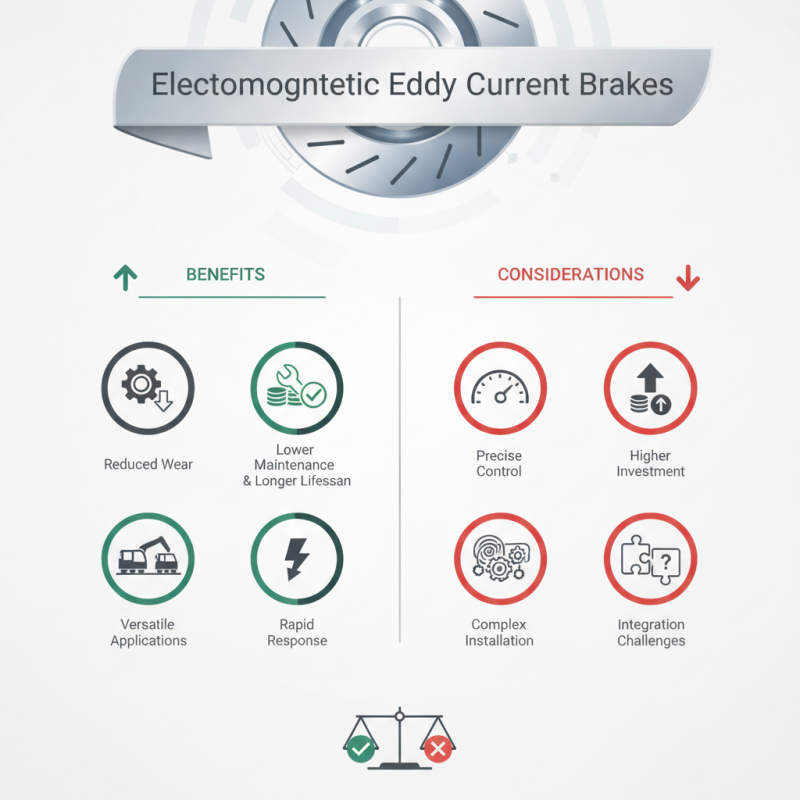
One of the key benefits is the reduction of wear and tear. Unlike friction-based brakes, Electromagnetic Eddy Current Brakes operate without physical contact. This unique characteristic means lower maintenance costs and longer service life. Additionally, they offer precise control and rapid response, which is critical in applications like trains and heavy machinery.
However, not all aspects are perfect. The initial investment can be higher compared to conventional systems. Some users might find complexities in installation and integration with existing setups. Reflecting on these points can help stakeholders make informed decisions, weighing the benefits against potential drawbacks.
Benefits of Electromagnetic Eddy Current Brakes in Industrial Applications
Electromagnetic eddy current brakes are gaining traction in various industrial applications. These brakes offer distinct advantages over traditional friction brakes. One significant benefit is their ability to provide smooth and instantaneous stopping. This minimizes wear and tear on machinery, ensuring longer operational life. Industries often face harsh environments, where durability is crucial. Eddy current brakes operate effectively in these conditions, resisting dust and moisture.
Another noteworthy advantage is the energy efficiency of these brakes. They convert kinetic energy into heat, which can often be dissipated safely. This can lead to reduced energy consumption in industrial processes. Furthermore, maintenance requirements are lower. Without physical contact between parts, there is less risk of mechanical failure. Yet, it’s essential to monitor performance regularly, as overheating can occur during extended use.
However, not every situation benefits equally from this technology. The initial installation cost can be a concern for smaller operations. Understanding the specific application and load requirements is crucial. Overall, the pros must be weighed against the cons. Only then can the right choice be made for industrial braking systems.
Enhanced Energy Efficiency Compared to Mechanical Braking Systems
Electromagnetic eddy current brakes offer significant advantages over traditional mechanical systems. One of the most compelling benefits is their enhanced energy efficiency. According to the National Renewable Energy Laboratory, eddy current brakes can convert up to 90% of kinetic energy into usable electrical energy, while mechanical systems lose a substantial portion to heat. This efficiency not only preserves energy but also minimizes wear and tear on components, extending the lifespan of the braking system.
The lack of physical contact in eddy current braking systems reduces maintenance requirements. As a result, costs associated with repairs and replacements decrease. Research estimates indicate that organizations can save up to 30% on maintenance expenditures by adopting these systems. However, there are concerns. In environments with extreme temperatures, the performance of eddy current brakes might fluctuate. Their efficiency depends heavily on operating conditions, which can lead to inconsistent braking performance.
Moreover, while the initial investment may be higher, the long-term savings can be substantial. Decision-makers should weigh these factors carefully. Understanding the specific operational needs is crucial to determining the practicality of implementing electromagnetic eddy current brakes. Balancing efficiency with potential challenges is key to optimizing performance in various applications.
Reduction of Maintenance Costs Through Durable Design and Components
Electromagnetic eddy current brakes are valuable for heavy machinery and vehicles. Their durable design means fewer maintenance needs. Components resist wear and tear, extending service life. This durability leads to lower overall maintenance costs. Businesses can save significant resources in repair and downtime.
Tips: Regular inspections are crucial. Check for any signs of wear or overheating. This can prevent larger issues down the line. Additionally, consider training staff on proper use and care. Knowledgeable operators can enhance brake performance and longevity.
Brakes may occasionally require adjustments. Over time, changes in alignment can occur. Monitoring brake efficiency helps in recognizing any decline. A proactive approach ensures that brakes function effectively, reducing unexpected failures. Understanding these factors can make a difference in operational reliability.
Low Heat Generation Leading to Extended Component Lifespan
Electromagnetic eddy current brakes are gaining attention in various industries for their unique benefits, particularly in heat management. One prominent advantage is their low heat generation, which directly impacts component lifespan. In traditional braking systems, friction generates significant heat, leading to wear and tear. Studies show that eddy current brakes can reduce heat generation by up to 80% compared to mechanical brakes. This reduction contributes to less frequent maintenance and longer-lasting components.
Heat is a major enemy of many mechanical systems. Overheating can cause parts to warp or fail prematurely. With eddy current brakes, the lack of friction minimizes thermal stress. A recent industry report pointed out that systems using eddy current technology could see an increase in lifespan by as much as 50%. This significant longevity is appealing for heavy machinery and transport systems, where downtime is costly.
**Tip:** Regularly monitor temperature levels in braking systems. This can help identify potential overheating issues, even when using advanced technology.
Moreover, the operational simplicity of eddy current brakes further reduces the likelihood of failures. Reduced moving parts mean fewer points of mechanical failure. As systems evolve, the challenge lies in balancing technological advancements with cost-efficiency. Understanding these complexities is crucial for manufacturers aiming to enhance system reliability while keeping an eye on budget constraints.
**Tip:** Conduct extensive training for personnel operating eddy current systems. Knowledge of their specific needs can lead to better overall performance and efficiency.
Top 10 Benefits of Electromagnetic Eddy Current Brakes
| Benefit | Description | Impact on Component Lifespan |
| Low Heat Generation | Minimized friction leads to less heat build-up. | Reduces wear and tear, extending lifespan. |
| High Efficiency | Converts energy effectively for superior braking performance. | Enhances component durability due to less power loss. |
| Minimal Maintenance | Fewer moving parts reduce maintenance frequency. | Lower maintenance leads to longer usable life. |
| Compact Design | Space-saving design suitable for various applications. | Facilitates easier installation and potential lifespan improvement. |
| Reliability | Consistent performance even in challenging environments. | Increases trust in system longevity and performance. |
| Environmentally Friendly | No emissions or contaminants produced during operation. | Promotes sustainable use of resources, contributing to longevity. |
| Fast Response Time | Quick activation ensures immediate stopping action. | Reduces risk of component damage due to delayed response. |
| Low Noise Operation | Quiet operation enhances user experience. | Less intrusive noise prolongs operational life in sensitive environments. |
| Versatility | Applicable in various industries from automotive to manufacturing. | Broader use cases enhance applicability and potential lifespan. |
| Reduced Sizing and Weight | Lightweight design minimizes additional load on the system. | Can increase overall system endurance and longevity. |
Improved Safety Features for High-Speed Rail and Transportation Systems
Electromagnetic eddy current brakes are transforming safety in high-speed rail systems. These brakes offer rapid deceleration without physical contact. This innovation minimizes wear and tear, enhancing the longevity of components. According to a recent report by the International Railway Journal, these systems can reduce stopping distances by as much as 50% compared to traditional brakes.
High-speed rail systems face unique challenges. At speeds exceeding 300 km/h, traditional braking can become inefficient and dangerous. Eddy current brakes provide a solution. They assist in reducing the risk of overheating and brake fade, common issues in high-speed applications. A study from the Transportation Research Board indicates that integrating these brakes in rail systems could lower accident rates by up to 30%.
While promising, eddy current systems are not without challenges. Their efficiency can be influenced by environmental conditions, such as temperature and humidity. Maintenance needs must also be considered, ensuring that systems remain reliable over time. Experts suggest more research is needed to address these variables. Nevertheless, the potential for significantly improved safety features remains a compelling argument for their adoption.
Conclusion
Electromagnetic Eddy Current Brakes offer numerous advantages in industrial applications, primarily due to their enhanced energy efficiency compared to traditional mechanical braking systems. By harnessing electromagnetic forces, these brakes significantly reduce energy waste, thus contributing to lower operational costs. Moreover, their durable design minimizes maintenance requirements, resulting in substantial savings over time.
Another key benefit is the low heat generation during braking, which extends the lifespan of components and enhances overall safety, especially in high-speed rail and transportation systems. Additionally, Electromagnetic Eddy Current Brakes play a crucial role in promoting environmental sustainability by reducing noise pollution and minimizing the ecological footprint of industrial operations. These features collectively underscore the growing importance of these braking systems in modern industrial applications.
