Top Car Elevator Platform Suppliers for Global Buyers?
Urban land is becoming more expensive, while vehicle ownership continues to pressure limited parking space. This tension is increasing interest in the Car Elevator Platform market, especially in dense commercial districts, luxury residences, hospitals, and automated parking facilities.
Grand View Research valued the global automated parking system market at approximately USD 2.2 billion in 2023. Its report projects strong growth through 2030, supported by urbanization, smart-building investment, and restricted land availability. MarketsandMarkets also identifies automated parking as a growing technology segment, although reported market values differ because some studies include software, parking towers, and robotic systems.
The difference matters.
A buyer comparing suppliers should not rely on headline growth alone. Platform capacity, pit depth, lifting speed, hydraulic or traction design, emergency lowering, noise levels, and maintenance access can change the project outcome. A platform lifting a 2,500-kilogram vehicle may require very different engineering from one serving heavier SUVs in a residential tower.
Donald Shoup, the respected parking scholar and author of The High Cost of Free Parking, wrote, “Parking is free to the driver, but it is not free to society.” His observation remains relevant when evaluating land-efficient vehicle storage.
This guide examines leading Car Elevator Platform suppliers for global buyers. It considers manufacturing experience, certification practices, customization ability, installation support, spare-parts availability, and lifecycle cost. Supplier rankings are never perfectly objective. Regional regulations, building conditions, and after-sales performance can change the practical choice.
That is the difficult part.
A credible supplier should provide verifiable test records, transparent load data, clear warranty terms, and references from comparable installations. Price deserves attention, but reliability deserves more.
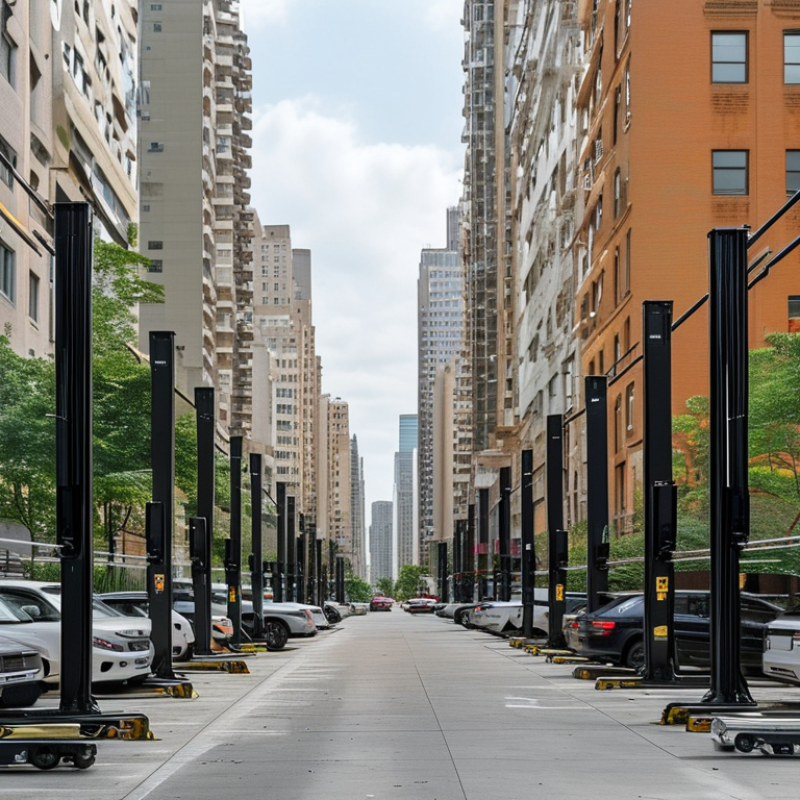
What Is a Car Elevator Platform and How Does It Work?
Top Car Elevator Platform Suppliers for Global Buyers?
A car elevator platform moves vehicles between different levels when a conventional ramp is impractical. It uses a reinforced deck, vertical guides, and a lifting system. Hydraulic cylinders or electric screw drives usually provide the movement. The selected system depends on travel height, vehicle weight, traffic frequency, and available space.
During operation, the driver positions the vehicle on the deck. Wheel stops and surface markings help control placement. Sensors check the load and confirm that doors, gates, and barriers are closed. Mechanical locks support the platform at each stopping level. The control panel then allows movement only when safety conditions are satisfied. Small details matter. A few centimeters of uneven alignment can affect loading confidence and door clearance.
Experienced buyers should request load calculations, operating cycles, installation drawings, and maintenance procedures from each supplier. They should also verify testing records and compliance with applicable local safety requirements. A supplier with practical installation experience can identify problems involving drainage, overhead clearance, or building movement. However, technical documents are not enough. Ask how replacement parts are sourced and how emergency faults are handled.
No design is perfect. A quiet lift may need slower travel. A compact structure may provide less service access. Buyers should compare these compromises before selecting a platform. A site survey remains essential, even when preliminary dimensions look suitable.
Key Types, Features, and Applications of Car Elevator Platforms
Car Elevator Platforms: Key Types, Features, and Applications
Car elevator platforms help move vehicles between floors where ramps are impractical. Vertical lift platforms suit compact buildings and underground garages. Scissor platforms provide stable movement for short travel distances. Hydraulic systems often support heavy loads smoothly, while traction systems may suit taller structures. The correct type depends on vehicle weight, shaft dimensions, travel height, and daily operating frequency.
Safety features deserve close inspection. Look for mechanical locks, anti-drop protection, emergency lowering, door interlocks, overload sensors, and clearly marked controls. A platform should hold a vehicle level, even when its weight is unevenly distributed. Noise and vibration also matter in residential or hotel settings. During supplier evaluations, request load-test records, maintenance schedules, installation drawings, and service response details. Documentation is not decoration.
Applications range from private garages to commercial parking towers, repair facilities, and mixed-use developments. Outdoor installations need sealed controls, drainage planning, and corrosion-resistant finishes. Indoor systems require careful ventilation and sufficient headroom. Measurements must include mirrors, roof racks, and turning clearance. A common mistake is choosing capacity from the average vehicle, not the heaviest expected model. That assumption fails quickly. Field experience also shows that fast lifting is not always better; controlled movement usually improves comfort and equipment life. Some specifications remain uncertain until a site survey confirms structural conditions.
How to Evaluate Car Elevator Platform Suppliers Worldwide
Selecting car elevator platform suppliers worldwide requires more than comparing advertised lifting capacity. The International Energy Agency reported nearly 14 million electric car sales in 2023, with China representing about 60% of global sales. This growth increases demand for platforms that support heavier vehicles, charging access, and careful battery clearance.
Ask suppliers for tested load charts, platform dimensions, duty-cycle results, and emergency lowering procedures. A credible supplier should provide factory inspection records, traceable component lists, and installation drawings signed by qualified engineers. Check whether the platform suits local building codes and electrical requirements. ISO 9001 certification helps, but it does not prove product performance. A spreadsheet can still lie.
Service capability matters as much as steel thickness. Request response times, spare-parts coverage, technician training, and references from similar climates. Inspect a working installation when possible. Listen for abnormal vibration, watch the door interlock, and measure stopping accuracy under load. Research and Markets identifies automated parking as a growing infrastructure segment, but forecasts vary by methodology, so treat market figures carefully. Some suppliers present optimistic availability claims. Ask for evidence. Total cost should include civil works, commissioning, inspections, software updates, and five-year maintenance. A low quotation may become expensive after the first breakdown.
Global Safety Standards, Certifications, and Installation Requirements
Top Car Elevator Platform Suppliers for Global Buyers
Global buyers should treat certification as a safety baseline, not a purchasing shortcut. EN 14010, ASME A18.1, ISO 12100, and ISO 13849-1 address different risks. Their applicability depends on the platform design and destination country. An independent body accredited to ISO/IEC 17065 should verify conformity. Check the certificate scope carefully. Some documents cover only components, not the complete installed system.
Installation controls matter just as much. Suppliers should provide structural calculations, foundation drawings, electrical schematics, emergency lowering procedures, and maintenance intervals. Site teams must verify load-bearing capacity, pit drainage, door interlocks, anti-fall devices, and rescue access. Local authorities may also require fire separation, seismic design, or accessibility inspections.
The International Labour Organization reported 2.93 million work-related deaths and 395 million non-fatal injuries globally in 2023.
That figure is not specific to car elevators, but it exposes the consequences of weak installation controls. Small oversights matter.
A credible supplier keeps traceable test records and trains local technicians. Ask for proof of factory acceptance testing, overload testing, emergency-stop testing, and commissioning records. Do not rely on a translated brochure alone. It happens. Certification can be genuine yet incomplete. I would also request references for similar climates and building conditions, because corrosion, flooding, and voltage instability can change real-world performance. Supplier documentation should identify who holds responsibility after handover, since unclear maintenance ownership remains a practical safety gap.
How to Compare Suppliers, Costs, Warranties, and After-Sales Support
Choosing a car elevator platform supplier requires more than comparing the lowest quotation. Grand View Research estimates that the global automotive lifts market will expand at about 5.4% annually through 2030. This growth increases supplier choices, but quality varies sharply. Request load ratings, platform dimensions, lifting speed, noise levels, and tested duty cycles. A 3,000-kilogram rating means little without documented safety factors and test conditions. Ask for installation drawings before approving the purchase.
Cost comparison should include civil works, electrical upgrades, shipping, commissioning, and operator training. Warranty terms need precise language. Check coverage for the hydraulic unit, motor, control cabinet, structural frame, and replacement labor. A useful warranty states response times, excluded damage, and spare-parts availability. The cheapest quote lies. Sometimes.
According to the International Trade Centre’s trade data, machinery buyers face significant variation in transport and import costs across markets. Obtain a landed-cost calculation, not only a factory price. After-sales support should include remote troubleshooting, preventive-maintenance schedules, and local technician coverage. Ask for service records from comparable installations, preferably with contactable users. ISO 9001 certification can support process reliability, but it does not prove lifting performance. Verify compliance with relevant elevator and machinery standards through certificates and independent inspection reports. I would also request a factory acceptance test using a simulated vehicle load. It adds time, yet missing this step can create expensive surprises. Some suppliers provide impressive documents but weak field support, so evaluate both carefully.
