China Top Electric Crucible Melting Furnace Manufacturers?
Choosing a reliable supplier matters when production depends on consistent melting, controlled pouring, and predictable maintenance. An Electric Crucible Melting Furnace can support foundries, metal workshops, and research facilities that need to melt suitable metals in measured batches. Yet equipment descriptions alone rarely show how a furnace performs during a busy shift.
China has a broad manufacturing base for industrial heating equipment, but “top” should not mean simply the largest catalog or lowest quoted price. Buyers should compare rated capacity, power requirements, temperature controls, lining design, safety features, and access to replacement parts. Ask for drawings, operating manuals, inspection records, and clear information about commissioning support. A practical detail matters: can operators reach the controls easily while wearing protective gloves, and can the crucible be handled safely at the intended working height?
This guide looks at how to assess Chinese manufacturers and match furnace specifications to real production needs. It also considers questions worth asking before placing an order, including customization, quality checks, delivery, and after-sales service. Claims should be verified against documentation and, where possible, a factory visit or customer reference. Small differences matter.
There is no universally best model. A compact furnace may suit frequent small melts, while a larger unit can bring different energy and workflow demands. Supplier comparisons can be imperfect, and published specifications do not reveal every operating condition. Treat them as a starting point, then confirm performance against your materials, batch size, and shop environment.
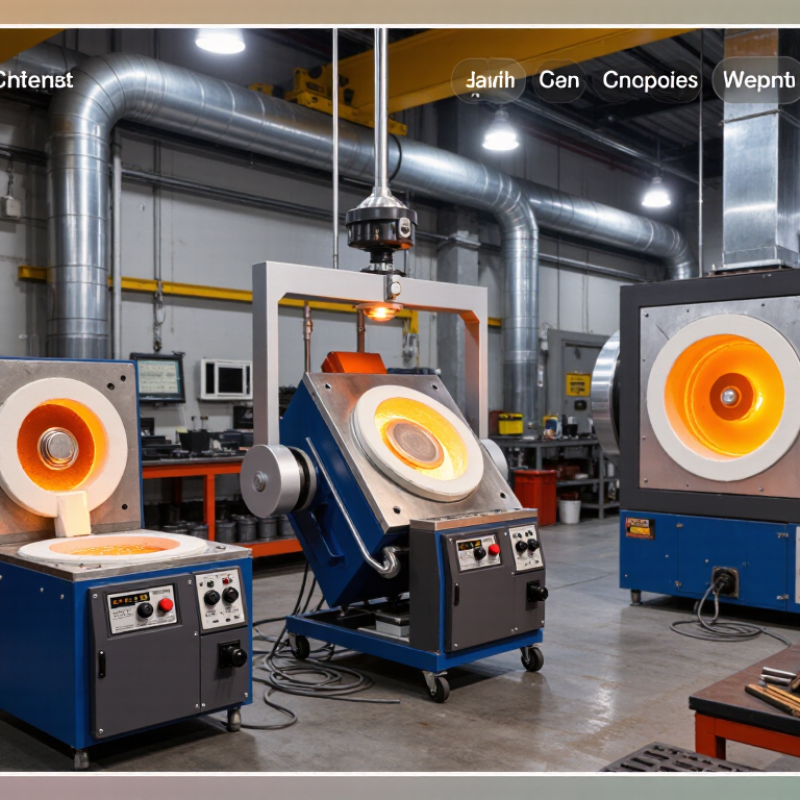
What Is an Electric Crucible Melting Furnace?
An electric crucible melting furnace uses electrical energy to heat a crucible that holds metal or another heat-resistant material. In many designs, resistance elements warm the space around the crucible; the charge melts through contact with the heated vessel. The crucible is not always electrically heated directly. That distinction matters when comparing furnace designs.
On a workshop floor, an operator may load measured metal pieces into a ceramic or graphite crucible, set a target temperature, and watch the melt through a small inspection opening. A thermocouple and controller help regulate heat, though readings can differ from the temperature inside the metal. Small details count. Crucible material, furnace capacity, insulation, power supply, and the alloy being melted all affect performance. A unit suited to a few kilograms may be inefficient for a much larger batch.
It is easy to focus only on maximum temperature. That can be a mistake. Heating rate, temperature stability, energy use, and safe handling also deserve attention. Buyers should check the manufacturer’s technical data and confirm that the furnace and crucible match their actual process. Real operating conditions are rarely as tidy as a specification sheet suggests.
How Electric Crucible Melting Furnaces Work
How Electric Crucible Melting Furnaces Work
An electric crucible furnace melts metal inside a heat-resistant vessel, or crucible. In an induction model, a coil carries alternating current and creates a changing magnetic field. This field induces electrical currents in the conductive metal, heating the charge directly. The crucible contains the melt; refractory lining protects the furnace shell. Resistance-heated models work differently: electric elements transfer heat to the crucible and its contents. The distinction matters.
Operators set power and monitor temperature with sensors, often adjusting the heat as the charge melts. A cold ingot near the crucible wall can melt more slowly than smaller pieces, so loading affects the cycle.
The U.S. Department of Energy’s 2015 Process Heating Sourcebook estimates that process heating accounts for about 60% of manufacturing energy use in the United States. That figure covers many industries, not crucible furnaces alone, but it underlines why insulation, lid fit, and idle time deserve attention.
Small losses add up. Temperature readings also need context: a sensor measures its location, not necessarily every part of the melt. In practice, the process is not perfectly tidy. Operators still need to verify melt quality and avoid relying on one reading.
Key Types, Materials, and Industrial Applications
China Top Electric Crucible Melting Furnace Manufacturers?
Key Types, Materials, and Industrial Applications
Electric crucible furnaces heat metal inside a removable container, offering a compact setup for controlled batch melting. Resistance-heated models suit smaller, steady production runs. Induction models heat metal through electromagnetic energy and can provide faster response, though they require compatible power systems and careful installation. Each design has trade-offs. A foundry’s daily alloy mix, batch size, and available electrical capacity matter more than a headline temperature.
Crucible material affects service life and metal quality. Graphite and clay-graphite crucibles are common for nonferrous metals, while silicon carbide versions can offer useful thermal strength. Alumina crucibles serve some laboratory and specialty applications, but are not a universal choice. These furnaces support aluminum and copper-alloy casting, jewelry production, sample preparation, and small foundry work. Check the rated capacity, temperature-control range, insulation, and replacement-crucible availability. A polished specification sheet cannot show every operating constraint.
Tips: Ask manufacturers for test conditions behind capacity and heating-time claims. Confirm which crucible materials suit your alloys, and inspect temperature-control details. Keep a little margin in capacity; real batches vary.
Electric Crucible Melting: Key Materials and Industrial Applications
Representative melting points of pure metals commonly processed in electric crucible furnaces. Alloy melting ranges vary with composition; crucible selection also depends on the metal, atmosphere, and operating temperature.
Electric crucible furnaces are used for melting and holding metals in foundries, casting operations, and laboratories. Crucibles may use materials such as graphite, silicon carbide, or alumina, chosen for compatibility with the melt and process conditions.
How to Evaluate Electric Crucible Furnace Manufacturers in China
When evaluating electric crucible furnace manufacturers in China, look beyond advertised capacity and heating speed. Ask whether the stated capacity means the crucible’s nominal volume or its practical metal charge. Request operating data for your alloy, target temperature, and typical batch size. A clear answer should include heat-up time, temperature uniformity, power demand, and recommended crucible materials.
Tips: Ask for a sample inspection checklist and a factory acceptance test record. Confirm which components are included, how temperature sensors are calibrated, and what spare parts are available. Small details matter. If possible, review a test using a comparable load rather than an empty furnace. Ask for evidence.
Check technical drawings, wiring diagrams, operating instructions, and maintenance intervals before comparing quotations. Clarify installation needs, operator training, warranty coverage, and response times for service questions. A low purchase price can hide extra costs for cooling equipment, ventilation, or replacement elements. Take notes during technical calls; unclear answers are worth revisiting. No supplier can promise perfect performance under every workshop condition, so confirm assumptions in writing and leave room for a practical site trial.
Leading Chinese Manufacturers and Their Product Capabilities
Chinese electric crucible furnace manufacturers serve foundries, metal recyclers, and workshops processing non-ferrous alloys. Their product ranges may include induction and resistance-heated models, with capacities suited to small batch work or higher-volume production. Induction systems can offer rapid heating and responsive temperature control, while resistance designs may suit steady, straightforward melting duties. The best fit depends on the alloy, batch size, available power, and operating routine.
Look beyond the furnace’s rated capacity. Ask manufacturers for working-temperature ranges, heating time under a stated load, lining recommendations, and temperature-control accuracy. Check whether the tilting mechanism, crucible dimensions, and safety interlocks match the intended process. A detailed technical drawing and a clear installation checklist are useful signs of practical engineering support. Catalogs can look reassuring. Shop-floor details matter more.
Manufacturers differ in customization, testing, and after-sales service, so claims should be checked against written specifications and operating references. Request a sample inspection plan, commissioning procedure, and spare-parts list before comparing quotations. Also confirm what the quoted performance assumes: alloy composition, charge size, and starting temperature can change results. This part is easy to overlook. No single model suits every foundry, and even a well-built furnace may need adjustments once real production begins.
