Top Flotation Equipment Suppliers for Global Buyers in 2026?
In the dynamic world of mining and mineral processing, Flotation Equipment plays a crucial role. With innovations emerging rapidly, global buyers face challenges in selecting the best suppliers. The landscape in 2026 will likely see a mix of established companies and new entrants. This may create confusion for purchasing decisions.
Flotation Equipment is essential for separating valuable minerals from waste materials. Buyers need reliable sources to ensure efficiency and effectiveness. Well-known suppliers may offer proven technology, yet they might lack flexibility in customization. Conversely, newer companies could provide innovative solutions but may lack a solid track record. The balance between tradition and innovation is key.
It’s vital for buyers to evaluate suppliers carefully. Researching their experience and reputation is necessary. Collecting feedback from existing customers can also provide insights. Making informed decisions on Flotation Equipment will ultimately impact productivity and profitability. A thoughtful approach to supplier selection is required for successful outcomes in 2026.
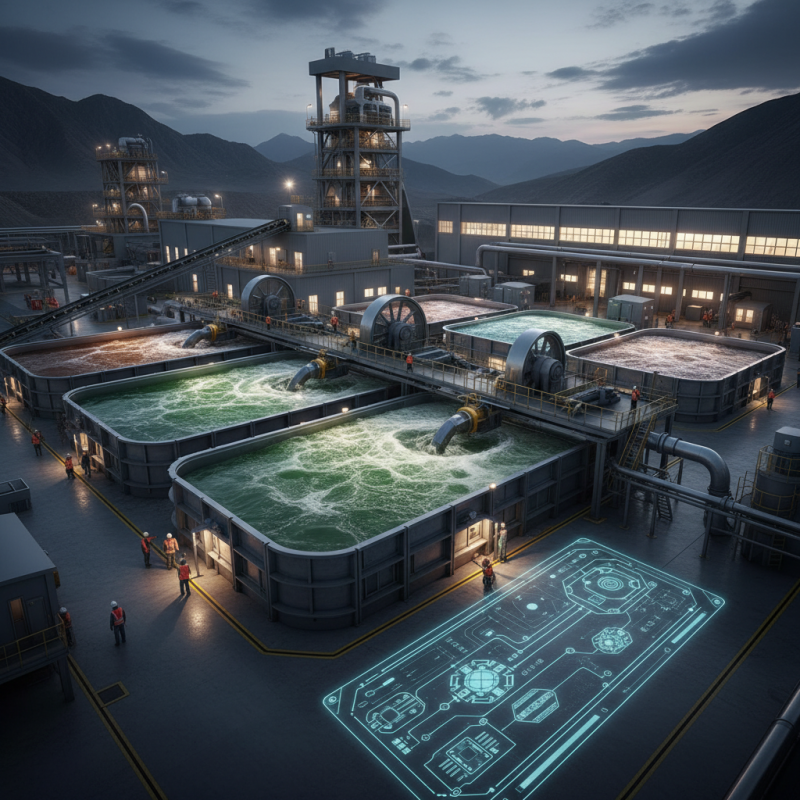
Overview of the Flotation Equipment Market Landscape in 2026
The flotation equipment market is poised for significant growth by 2026. Increasing demand for minerals, particularly from the mining sector, drives this expansion. A recent industry report indicates that the global flotation equipment market could reach USD 4.7 billion by 2026. This rising market value underscores the need for advanced technology and efficient processes in mineral separation.
Understanding market dynamics is essential for buyers. Key factors include fluctuating mineral prices and innovations in flotation technology. Companies are exploring automation and digitalization to enhance efficiency. Reports suggest that automation can improve productivity by over 30% in mining operations. However, the investment in these technologies can be challenging for smaller firms.
Tip: Stay updated on emerging technologies in flotation systems. Assess which innovations fit your operation's scale and budget. Building partnerships with technical experts can also provide insights into best practices. Remember, the landscape of flotation equipment is evolving. Continuous learning is vital to keep pace with industry changes and competitors.
Top Flotation Equipment Suppliers for Global Buyers in 2026
| Supplier Region | Market Share (%) | Revenue (Million USD) | Technological Innovation Index | Customer Satisfaction Rating (out of 5) |
| North America | 25 | 1200 | 8.5 | 4.6 |
| Europe | 30 | 1500 | 9.0 | 4.7 |
| Asia-Pacific | 35 | 2000 | 9.5 | 4.8 |
| Latin America | 5 | 300 | 7.0 | 4.0 |
| Middle East & Africa | 5 | 250 | 6.5 | 3.8 |
Key Players in the Global Flotation Equipment Supply Chain
In 2026, the global flotation equipment supply chain will witness significant transformations. Experts highlight the importance of understanding market dynamics. Flotation equipment plays a crucial role in industries such as mining and wastewater treatment. Buyers need suppliers with extensive experience in these sectors.
Key players in the flotation equipment market will focus on innovation and sustainability. The demand for eco-friendly solutions is rising. Suppliers must balance performance with environmental responsibility. Flexibility in manufacturing processes can lead to better adaptation without compromising quality.
However, not all suppliers will meet these evolving demands. Some may struggle with outdated technologies or lack of expertise. Continuous improvement and training will be pivotal for companies wanting to thrive. Knowledgeable suppliers will likely foster stronger relationships with customers, building trust over time. This trust is essential for navigating the complexities of global supply chains.
Innovative Technologies Shaping Flotation Equipment Advancements
Innovative technologies are transforming the flotation equipment industry. Companies are investing in advanced materials and automation. These improvements enhance efficiency and reduce operating costs. The integration of artificial intelligence in flotation processes is becoming crucial. This technology allows for real-time adjustments and optimized performance.
Moreover, sustainable practices are now a priority. Manufacturers are focusing on eco-friendly equipment designs. Technologies that recycle water and reduce chemical usage are gaining traction. Such innovations are essential for meeting environmental regulations and consumer demands.
However, challenges remain. Not all suppliers are quick to adapt. Some still rely on traditional methods. This slow progress can hinder advancements. The industry needs more collaboration to share knowledge and best practices. As technology evolves, so will the competition among suppliers.
Regional Insights: Leading Markets for Flotation Equipment in 2026
In 2026, several regions will stand out as leading markets for flotation equipment. North America is expected to show robust growth due to advancements in mining technology. The mining sector is keen on enhancing recovery rates and efficiency. This region often invests in R&D, pushing innovations in flotation processes.
Asia-Pacific is another vital market. Countries like China and Australia continue to dominate in mineral extraction. Environmental regulations are becoming stricter, motivating companies to seek sustainable flotation equipment. Buyers are increasingly interested in energy-efficient solutions that comply with these new standards. However, not all manufacturers meet these evolving demands, leading to concerns about quality and performance.
Europe, with its focus on sustainability, presents unique challenges. The European market is leaning towards eco-friendly solutions. However, finding reliable suppliers can be a struggle. Buyers often face delays due to regulatory complexities. Regional preferences might lead to compromises on quality, necessitating critical evaluations. Flotation equipment suppliers must adapt to these dynamics while ensuring they maintain high standards and reliability.
Future Trends and Expectations for Flotation Equipment Suppliers
The flotation equipment market is evolving. By 2026, emerging trends suggest significant shifts in supplier strategies. A recent industry report indicates that the flotation equipment sector is expected to grow at a CAGR of 4.5% through 2026, primarily driven by advances in technology. Digital innovation will play a vital role in enhancing efficiency.
Sustainability is becoming increasingly important. Buyers are leaning towards suppliers that prioritize environmentally-friendly practices. Research shows that around 70% of buyers now consider environmental impact when selecting flotation equipment. Suppliers that can provide sustainable solutions will gain a competitive edge. This trend underlines the need for ongoing innovation in the sector.
Moreover, customer expectations are rising. Clients now demand more than just efficiency—they seek customizable and adaptable equipment. Suppliers must invest in R&D to meet these diverse needs. However, there may be a lag in some regions where investment in such innovations remains low. Addressing these gaps will be essential for suppliers aiming to stay relevant in this competitive landscape.
