Top 5 Gold and Silver Chain Making Machines for Buyers?
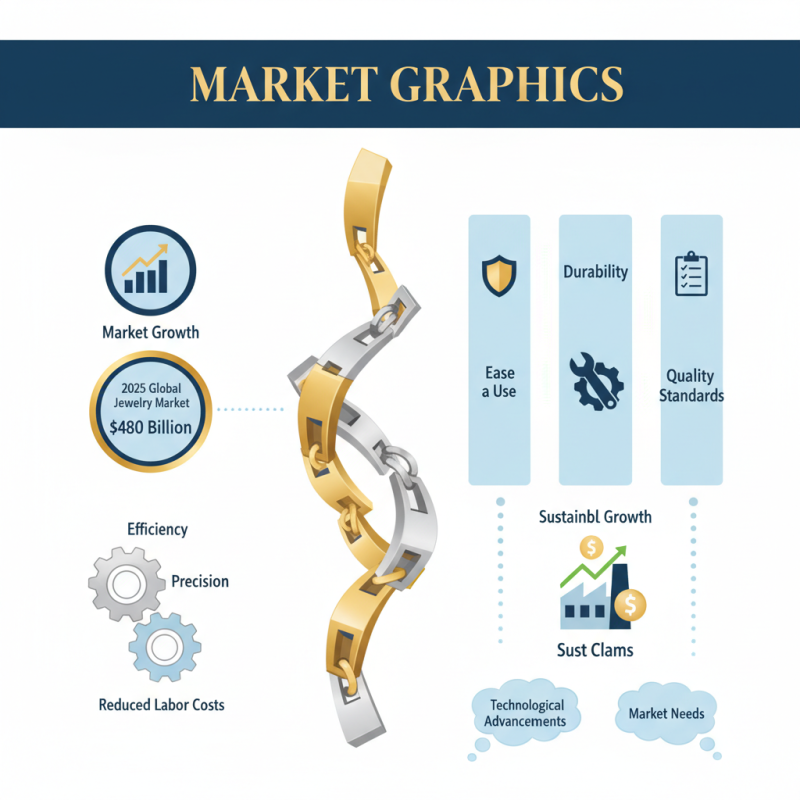
In the jewelry manufacturing industry, the demand for exquisite gold and silver chains continues to rise. According to recent market analysis, the global jewelry market size is expected to reach $480 billion by 2025, with significant contributions from gold and silver chain production. The gold and silver chain making machine plays a crucial role in this booming sector. These machines enhance efficiency and precision while reducing labor costs.
However, not all machines are created equal. Buyers must consider various factors before making a purchase. Efficiency, durability, and ease of use are crucial elements to evaluate. While many manufacturers offer advanced features, some machines may not meet industry standards. This gap can lead to quality inconsistencies in the final product.
Investing in the right gold and silver chain making machine is critical. A well-chosen machine can lead to sustainable growth. Nevertheless, buyers should continuously reflect on technological advancements and market needs. This ensures their equipment remains relevant and productive in a competitive landscape.
Overview of Gold and Silver Chain Making Machines
Gold and silver chain making machines are essential for jewelers. They streamline the production process and improve efficiency. When selecting these machines, it is important to consider the type of chains you want to create. Chain styles vary, and so do the machines designed for them.
One common type is the automatic chain making machine. This machine delivers consistent output and reduces waste. It is suitable for large-scale production. Manual machines, while slower, offer greater control. They allow artisans to add unique touches. This can be an important factor for bespoke jewelry.
Tips: Always assess the machine's build quality and ease of use. It should be user-friendly to reduce training time. Consider the level of technical support offered by the manufacturer. This can impact your productivity in the long run. A reliable machine can make or break your output quality.
Investing in a machine without proper research can lead to regrets. Look for models that have a good track record. Industry reviews and user feedback can offer valuable insights. Understanding your production needs is vital to avoid costly mistakes. Though you might be tempted to buy the latest model, focus on what suits your specific requirements.
Key Features to Consider When Choosing a Chain Making Machine
When selecting a gold and silver chain making machine, several critical features should guide buyers. Production speed is essential. Machines that operate at 20-40 meters per minute can significantly boost output. A study by the International Jewelry Machinery Association notes that faster machines can increase profitability by up to 30%.
Durability is another important factor. Machines constructed from high-quality materials withstand wear and tear. Research indicates that machines with a warranty of at least two years perform better in the long run. User-friendly controls improve efficiency. A recent report stated that operators experienced a 25% reduction in error rates with intuitive interfaces.
Flexibility in design options is vital. Machines that can produce various chain styles cater to diverse market demands. According to the World Gold Council, versatility in production can lead to a 15% increase in market reach. However, potential buyers should reflect on their actual production needs. Not every shop requires a top-tier machine. This makes it crucial to balance features with budget and immediate requirements.
Top 5 Gold and Silver Chain Making Machines Explained
When it comes to crafting exquisite gold and silver chains, choosing the right machinery is crucial. The market features diverse options tailored for different needs. Recent industry reports indicate that automated chain-making machines have seen a 30% increase in demand. This uptick highlights the shift towards efficiency in jewelry production.
Some key machines to explore include flat wire draw machines, link forming machines, and assembly machines. These tools not only enhance productivity but also provide consistent quality. For instance, machines that utilize advanced technology can minimize human error. However, investing in equipment requires careful consideration of the operational costs versus potential gains.
Tips: Always conduct a thorough cost-benefit analysis before purchasing. Evaluate the machine's specifications to ensure it fits your production needs. It's essential to consider ongoing maintenance requirements. This often overlooked aspect can impact your overall efficiency. Investing in skilled training for operators can also maximize machine output. Remember, even the best machines can require adaptation to your unique workflow. This adaptation process can uncover areas for improvement within your existing setup.
Comparative Analysis of Specifications and Prices
When evaluating gold and silver chain making machines, specifications and prices vary significantly across models. A recent industry report indicates that the price range for high-quality machines can be from $10,000 to $50,000. This discrepancy often relates to the machine’s capabilities, speed, and durability.
For instance, entry-level machines may produce only a few chain styles and can operate at slower speeds. In contrast, premium models might offer automation features, allowing for the production of intricate designs with minimal manual intervention. The investment in advanced technology can yield a higher production output, thus potentially leading to better long-term returns.
Moreover, specifications also encompass the machine's power consumption and maintenance requirements. Machines with lower power requirements may initially seem more cost-effective. However, their performance could lag behind machines designed for heavy-duty use. This aspect complicates decision-making for buyers. Balancing price and performance is essential yet challenging. It highlights the importance of thorough market research before any purchasing decision.
Top 5 Gold and Silver Chain Making Machines for Buyers
| Machine Model | Max Chain Diameter (mm) | Production Speed (m/min) | Power Consumption (kW) | Price (USD) |
| Model A | 3 | 30 | 15 | 5,000 |
| Model B | 4 | 25 | 12 | 4,500 |
| Model C | 5 | 35 | 20 | 6,500 |
| Model D | 2 | 20 | 10 | 3,800 |
| Model E | 6 | 40 | 25 | 7,200 |
Tips for Maintaining Your Chain Making Machines
Maintaining chain making machines is crucial for optimal performance. Regular maintenance can extend the lifespan of the equipment. It’s estimated that proper upkeep can increase machine efficiency by up to 30%. This boosts productivity and reduces operational costs.
Daily checks should include inspecting belts, gears, and lubrication levels. Use high-quality lubricants to minimize friction. Dirt and debris can accumulate, leading to malfunction. A clean machine often means fewer breakdowns. Schedule weekly or monthly deep cleaning sessions based on your production volume.
Employee training plays a significant role in maintaining equipment. Workers should understand the machines they operate. Research suggests that up to 20% of machine failures are due to operator error. An informed team can prevent many avoidable issues. Regular training sessions can significantly reduce these risks.
Don’t overlook the importance of manuals. They contain essential maintenance guidelines tailored to each machine. Following these can lead to better reliability and performance over time.
