Top Ground Bus Bar Suppliers for Global Buyers
Choosing a reliable Ground Bus Bar supplier requires more than comparing prices on a spreadsheet. Global buyers need verified materials, stable production, clear documentation, and responsive technical support. Copper purity, tin plating, hole spacing, and insulation options can directly affect installation quality and long-term performance.
This guide examines leading suppliers serving international markets, including manufacturers with experience in electrical distribution, industrial control, data centers, and renewable energy systems. Their capabilities may include custom dimensions, CNC processing, surface treatment, sample approval, and batch testing. Buyers should request material certificates, inspection records, compliance declarations, and realistic production schedules before placing an order.
Details matter greatly.
A strong supplier should explain how each Ground Bus Bar is inspected, packed, labeled, and traced through shipment. Export experience also matters, especially when projects involve different technical standards, climates, and delivery conditions. However, no global ranking can suit every project. A supplier with excellent volume pricing may offer limited customization. Another may provide outstanding engineering support but require longer lead times. Some public specifications remain incomplete, so independent verification is still necessary.
The comparisons in this article focus on practical purchasing factors rather than promotional claims. They aim to help engineers, distributors, and procurement teams build a dependable shortlist. Field experience suggests that the best decision often balances material quality, production consistency, communication, certification, and total delivered cost. Mistakes can still happen. Careful questions reduce them.
What Ground Bus Bars Are and Why They Matter
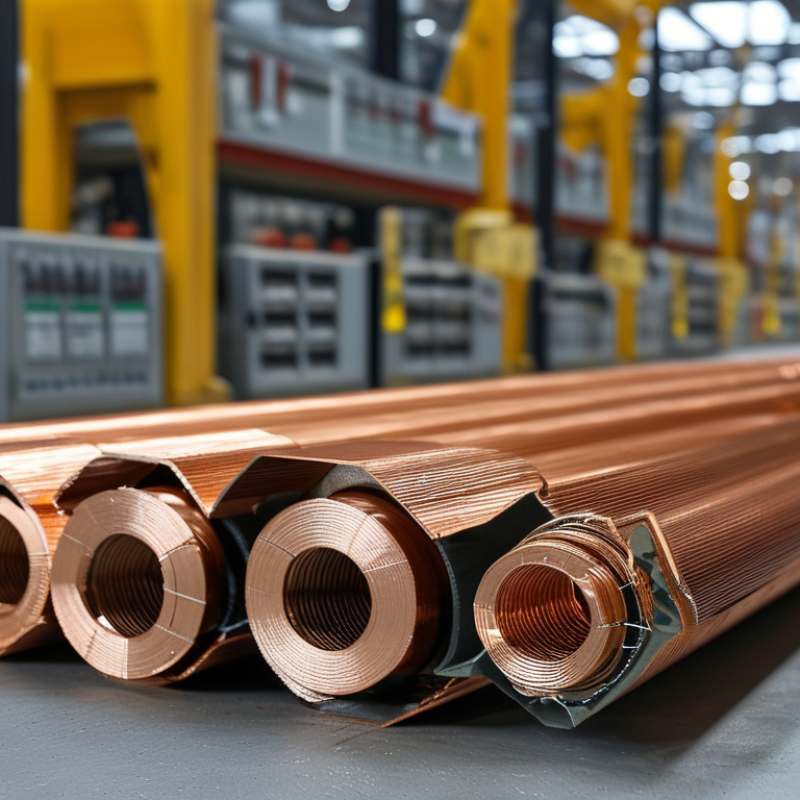
Ground bus bars are conductive metal strips that organize grounding and bonding connections inside electrical panels, data rooms, and industrial equipment. They usually use copper or tinned copper for strong conductivity and corrosion resistance. Each bar provides multiple labeled connection points, keeping wires orderly and easier to inspect. That matters when fault current must travel safely toward ground instead of passing through equipment or people.
For global buyers, a reliable supplier should provide clear drawings, material details, hole patterns, plating information, and tested electrical performance. Experienced suppliers also understand enclosure space, conductor size, temperature rise, and installation conditions. Ask for traceable inspection records and samples before placing a large order. A polished catalog is useful, but it cannot replace practical verification. No design is perfect; even a well-specified bar can fail if installers use loose hardware or unsuitable conductors.
Tips: Check copper thickness, mounting-hole accuracy, surface finish, and torque guidance. Confirm whether the bus bar fits your panel and local electrical requirements. Request corrosion testing when humidity or salt exposure is expected. Keep labels visible during maintenance. Small details matter.
Key Standards and Specifications for Global Ground Bus Bar Buyers
Ground bus bar buyers need more than a copper strip and mounting holes. They need verifiable performance. Start with the required standard for the installation market. IEC 61439 may apply to low-voltage assemblies, while UL 467 covers grounding and bonding equipment in relevant applications. Local electrical codes can add stricter requirements. Confirm the latest edition before approving a design.
Specify the conductor material, cross-sectional area, plating, hole pattern, and insulation method. Bare copper offers strong conductivity, while tin-plated copper improves corrosion resistance in humid rooms. Check short-circuit withstand, temperature rise, mechanical strength, and tightening torque. These details affect safety during fault conditions. A common mistake is choosing a bar by size alone. Fault current and enclosure conditions also matter. The same bar may perform differently in a sealed cabinet and an exposed utility room.
Tips: Ask suppliers for material certificates, routine test reports, dimensional drawings, and traceability records. Confirm whether ratings are tested or calculated. Review surface treatment thickness and contact compatibility, especially when copper connects with aluminum. Samples can reveal burrs, weak plating, or poor hole alignment. Do not rely only on catalog wording. A careful buyer should also request installation guidance and evidence of compliance for the destination market. There is no universal specification, and that assumption often creates expensive revisions.
How to Evaluate Ground Bus Bar Suppliers and Manufacturers
Top Ground Bus Bar Suppliers for Global Buyers
How to Evaluate Ground Bus Bar Suppliers and Manufacturers
Selecting a ground bus bar supplier requires more than comparing unit prices. Check the copper or aluminum grade, bar thickness, hole spacing, and surface treatment. These details affect conductivity, corrosion resistance, and installation time. A polished website proves little. Request current product drawings, material certificates, and dimensional inspection records before approving a supplier.
Experienced manufacturers should explain how they control punching, bending, deburring, and plating. Ask for electrical resistance data and test reports from recognized laboratories. Confirm whether each batch receives continuity and coating-thickness checks. Traceability matters too. A reliable supplier can link the finished bar to raw-material lots, inspection dates, and production staff. This evidence shows operational discipline, not just sales language.
Evaluate samples under realistic conditions. Measure hole alignment, edge smoothness, and fit with your planned terminals. Review packaging for moisture protection, especially during ocean transport. Ask about minimum order quantities, tooling charges, lead times, and replacement procedures. Communication is a practical quality test; unclear answers may signal future delays. No checklist is perfect. I would still inspect a first production batch, because small plating defects or burrs can escape a well-written quality plan. Suppliers should also provide safety data, installation guidance, and documentation suited to the destination market.
Regional Supplier Profiles and International Sourcing Options
Regional supplier profiles matter when purchasing ground bus bars for international projects. East Asian manufacturers often provide broad copper, aluminum, and tin-plated options. Their factories may support custom hole patterns and large-volume orders. Request material certificates, plating thickness, and recent inspection records.
European suppliers commonly emphasize precise tolerances, traceable production, and documented electrical testing. These strengths can suit rail, industrial, and energy applications. North American suppliers often offer strong engineering support and faster communication for local standards. However, minimum order quantities may be higher. Regional strengths are not universal.
International sourcing requires more than comparing unit prices. Ask suppliers to confirm conductor dimensions, short-circuit ratings, mounting hardware, and packaging methods. A reliable quotation should separate tooling, testing, freight, insurance, and import charges. Small details matter. A scratched plated surface can create installation concerns later.
Buyers should also verify production capacity during peak seasons. Video inspections, sample approvals, and independent testing can reduce uncertainty. I have found that a physical sample reveals issues that drawings miss, especially sharp edges and poorly aligned holes. Still, inspection is not a guarantee. Supplier records can change after approval. Use written specifications, staged payments, and clear corrective-action procedures. Lead times should include port delays and customs reviews. Air freight may solve urgent shortages, but it can weaken cost control. Sea freight usually suits planned orders. The best sourcing route depends on application risk, delivery location, and the buyer’s ability to inspect.
