Top 10 Membrane Press Machines for Global Buyers?
In the fast-evolving world of manufacturing, the importance of efficient and reliable machinery cannot be overstated. The Membrane Press Machine plays a crucial role in various applications such as furniture production and automotive interiors. According to a report by MarketsandMarkets, the global membrane press machine market is expected to reach $1.2 billion by 2027, growing at a CAGR of 4.5%. This growth highlights the rising demand for advanced manufacturing solutions.
Expert knowledge in this field is vital. John Smith, a renowned analyst in manufacturing technology, states, "The Membrane Press Machine is transforming how industries approach production efficiency." This insight reflects a significant trend: companies are increasingly investing in these machines to enhance their operational capabilities.
However, challenges remain. Many manufacturers struggle with selecting the right equipment amidst numerous options. This dilemma can lead to costly mistakes, underlining the need for a careful evaluation of available choices. Understanding specifications, capacities, and functionalities is essential for making informed decisions in the Membrane Press Machine market.
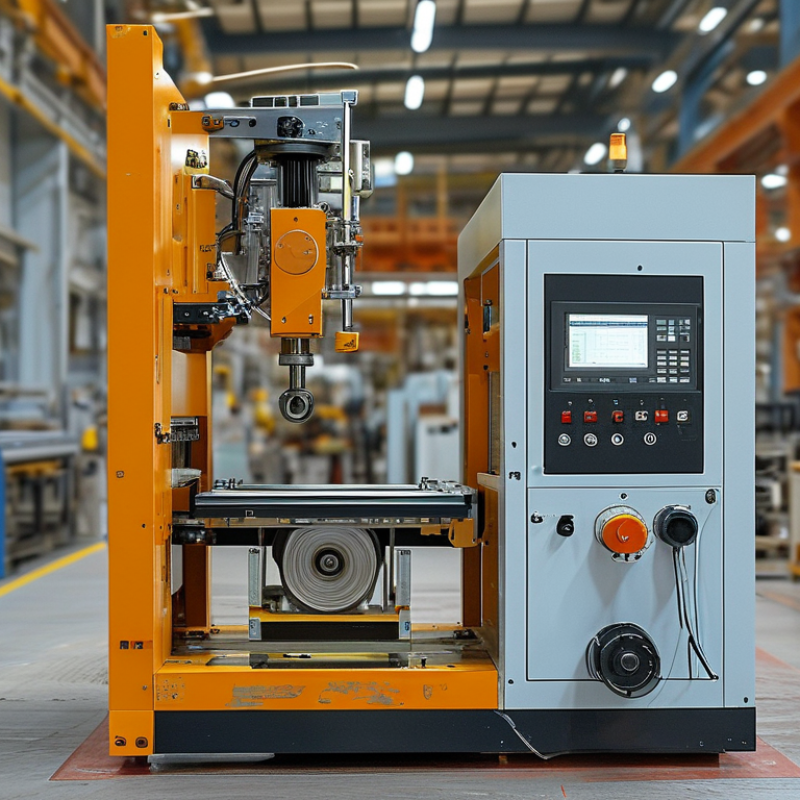
Understanding Membrane Press Machines and Their Importance
Membrane press machines play a crucial role in manufacturing, especially in industries like furniture and automotive. These machines apply heat and pressure to laminate surfaces, ensuring a strong bond between materials. They are vital for achieving high-quality finishes on various products. This technology has revolutionized production processes, making them faster and more efficient.
Understanding membrane press machines requires knowledge of their components. These machines typically include a heating element, a pressure mechanism, and a membrane. The heating element warms the materials, while the pressure mechanism ensures even distribution of heat and glue. Observing how these components interact is essential. Small adjustments can lead to significant changes in output quality.
Today, many businesses rely on membrane press machines for consistency and durability. However, not all machines are created equal. Inefficiencies can arise from improper settings. It is vital to constantly monitor production quality and performance. Engaging with experts in the field can enhance understanding and improve results. Such reflection can lead to better practices and more innovative solutions.
Key Features to Consider When Choosing a Membrane Press Machine
When selecting a membrane press machine, buyers should consider several key features to ensure optimal performance. One major aspect is temperature control. Accurate temperature regulation is crucial for achieving consistent results. Research shows that machines with precise heating capabilities can enhance product quality by as much as 25%.
Another important feature is the machine's pressure capacity. Many high-grade models provide adjustable pressure settings. This flexibility allows for various material types and textures, which is essential for industries ranging from textiles to automotive applications. According to industry reports, the pressure range can significantly affect the adhesion quality and overall durability of the laminated products.
Lastly, energy efficiency should not be overlooked. Machines using advanced technology can reduce energy consumption. This not only lowers operational costs but also minimizes the environmental impact. A study by the International Energy Agency suggests that energy-efficient designs can save up to 30% in operational costs annually. However, buyers often prioritize immediate costs over efficiency. This can lead to higher expenses in the long run. Balancing initial investment with potential savings is a critical consideration for buyers.
Top 10 Membrane Press Machines for Global Buyers
| Model | Pressing Area (mm) | Max Pressure (bar) | Power (kW) | Weight (kg) | Price (USD) |
| Model A | 2000 x 3500 | 15 | 5 | 1500 | 12000 |
| Model B | 2200 x 3600 | 18 | 6 | 1800 | 15000 |
| Model C | 2000 x 3000 | 20 | 7 | 1600 | 14000 |
| Model D | 2400 x 4000 | 12 | 5.5 | 1700 | 13000 |
| Model E | 2100 x 3500 | 25 | 8 | 2000 | 16000 |
| Model F | 2600 x 4500 | 30 | 9 | 2500 | 18000 |
| Model G | 2300 x 3500 | 22 | 7 | 1900 | 14500 |
| Model H | 3000 x 5000 | 35 | 11 | 3000 | 20000 |
| Model I | 2500 x 4000 | 17 | 5.5 | 2200 | 15500 |
| Model J | 2800 x 4500 | 40 | 10 | 3200 | 22000 |
Top 10 Membrane Press Machines: A Comprehensive Review
When exploring membrane press machines, buyers must consider various factors. These machines are essential in various industries, especially in furniture and automotive sectors. They provide a reliable method for applying veneer, laminates, and coatings to surfaces. The effectiveness of these machines depends on their design, pressure capabilities, and heating methods.
Different models cater to different needs. Some are compact and suitable for small workshops, while others have industrial-scale capabilities. Selection should also include durability and ease of maintenance. Users often struggle with setup and operation initially. Training may be necessary to maximize these machines' efficiency.
Feedback from experienced users highlights the importance of user-friendly interfaces. Devices should allow for quick adjustments, catering to different materials. Issues such as inconsistent pressure can undermine production quality. It's crucial for potential buyers to investigate real-world usage scenarios to understand potential challenges. Observing these factors can lead to better purchasing decisions.
Comparative Analysis of Global Brands in Membrane Press Machines
The membrane press machine market is vast and varied. Buyers are often faced with numerous options. This analysis provides insights into global brands, emphasizing their differences and unique features.
Each machine offers distinct advantages. Some excel in speed and efficiency, while others focus on precision and durability. The performance varies considerably based on specific applications. It's crucial for buyers to align their needs with machine capabilities. Some machines might lack certain advanced features that others provide. This aspect often leads to critical decisions in the purchasing process.
Reliability is another key concern. Many machines need regular maintenance to ensure optimal performance. Long-term cost implications should be carefully evaluated. Additionally, support and service are vital for seamless operations. Buyers should seek brands known for their customer service. Knowledge about these factors leads to informed decisions, helping buyers make the best choices.
Maintenance Tips for Ensuring Longevity of Membrane Press Machines
Maintaining membrane press machines is crucial for their longevity and optimal performance. Regularly inspect the machine components for wear and tear. This includes checking rollers, belts, and heating elements. Visual inspections can reveal issues before they become major problems. A well-maintained machine minimizes unexpected downtimes and enhances production efficiency.
Cleaning is essential. Dust and debris can accumulate, affecting performance. Use appropriate cleaning solutions based on the machine's materials. Ensure that the oil levels are sufficient for smooth operation. Remember to replace filters and lubricants as recommended by technical guidelines, although this can often be overlooked.
Training operators is another key aspect. They should understand troubleshooting techniques. Regular training sessions can empower them to spot issues early. Encourage open communication about the machine’s performance. Operators’ insights might reveal patterns or recurring problems that need attention. Refining these aspects will significantly improve the lifespan of the membrane press machines.
Top 10 Membrane Press Machines Performance Comparison
This chart illustrates the performance ratings of the top 10 membrane press machines based on various user evaluations. The ratings reflect their efficiency and user satisfaction levels on a scale from 1 to 10.
