Top Sheet Cutting Machine Trends for 2026 Buyers Guide?
As the demand for precision and efficiency grows, the Sheet Cutting Machine industry is evolving rapidly. Innovations in design and technology greatly influence buyer choices. The landscape for sheet cutting solutions is changing. In 2026, understanding these trends is essential for making informed purchases.
Companies are prioritizing automation and integration. This shift enhances production rates and reduces waste. However, some buyers may feel overwhelmed by the multitude of options available. A thorough analysis of features, costs, and long-term support is crucial. The challenge lies in balancing quality with affordability.
Beyond technical specifications, the market is also seeing a push for sustainability. Eco-friendly materials and energy-efficient machines are becoming necessary. Yet, buyers must scrutinize if these options truly align with their operational goals. Navigating these trends requires a thoughtful approach to investment in sheet cutting technology. An informed decision can lead to significant advantages in a competitive marketplace.
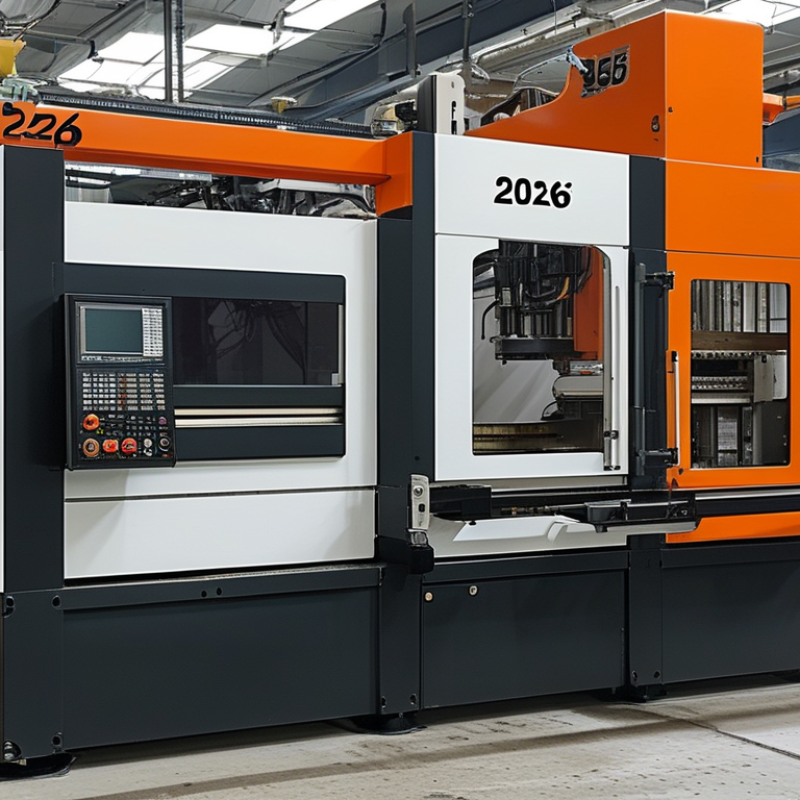
Key Features to Consider in Top Sheet Cutting Machines for 2026
When considering top sheet cutting machines for 2026, buyers should focus on crucial features. A recent industry report from Smithers indicates that the market for cutting machines is projected to grow at a CAGR of 4.5% through 2026. This growth highlights the importance of investing in advanced technology.
One key feature to evaluate is the precision of the cutting mechanism. High-quality machines offer tolerances of 0.1 mm or better, ensuring clean cuts. Many manufacturers now include automation, which can increase efficiency by up to 30%. However, this automation requires careful programming and maintenance, as errors can lead to significant waste.
Durability is also essential. Machines need to withstand continuous use without sacrificing performance. A comprehensive analysis found that 70% of manufacturers reported downtime due to equipment failure. Regular maintenance can mitigate this, yet many users overlook this critical aspect. In 2026, prioritizing both feature advancements and reliability will define successful purchasing decisions.
Emerging Technologies Shaping the Future of Sheet Cutting Machines
The landscape of sheet cutting machines is rapidly evolving. Emerging technologies are redefining what is possible in this field. Automation and artificial intelligence play pivotal roles. They enhance precision and efficiency, making processes faster. High-speed cutting is more attainable now than ever. Many operations are transitioning from manual to fully automated systems.
Laser cutting technology is seeing significant advancements. Enhanced focus and control lead to cleaner cuts. Additionally, software integration allows for better design capabilities. Operators can visualize cuts before execution. This reduces material waste and saves costs. Yet, full automation remains a challenge. Some operators worry about a lack of hands-on skills.
Sustainability is also a key concern. Manufacturers are exploring eco-friendly materials and processes. Reducing energy consumption is essential. These shifts reflect market demands for greener solutions. However, the transition requires deep reflection on current practices. Adapting to these trends is not without hurdles. Training and investment in new technologies are crucial. The future calls for a balance between innovation and customer needs.
Top Sheet Cutting Machine Trends for 2026 Buyers Guide
| Trend | Description | Expected Impact | Implementation Timeline |
| Automation | Increased use of robotics for cutting accuracy and efficiency. | Higher production rates and reduced labor costs. | 2024 - 2026 |
| AI Integration | Utilization of artificial intelligence for predictive maintenance and optimization. | Improved machine longevity and reduced downtime. | 2025 - 2026 |
| Sustainability | Focus on eco-friendly materials and energy-efficient machinery. | Lower environmental impact and potential cost savings. | 2024 - 2026 |
| Customizability | Machines designed to accommodate specific user needs and preferences. | Enhanced user satisfaction and versatility. | 2026 |
| Smart Connectivity | Incorporation of IoT for real-time data monitoring and analytics. | Greater operational insight and efficiency. | 2025 - 2026 |
Industry Insights: Market Trends Influencing Buyers in 2026
As we look ahead to 2026, several key trends are shaping the sheet cutting machine industry. One significant factor is the increasing demand for automation. Manufacturers are investing in smart technologies to enhance efficiency and precision. Innovations like AI-driven cutting algorithms are becoming more common. These advances help reduce material waste. However, the reliability of such systems still requires careful evaluation.
Sustainability is another critical consideration. Buyers are leaning towards machines that integrate eco-friendly practices. This trend includes machines that optimize energy consumption. Designs that minimize scrap output are also favored. Despite these advancements, challenges remain. Many operators still feel unsure about transitioning to greener technologies. Training and support will play vital roles in overcoming this hesitation.
Additionally, the market is seeing a push for customization. Businesses want machines that can handle diverse materials and unique cutting requirements. Versatile options will likely attract more buyers. Yet, one must question whether the industry can keep up with these evolving needs. Continuous feedback loops from users could help bridge the gap between demand and capability. Such reflections are essential in steering the industry forward.
Top Sheet Cutting Machine Trends for 2026
This bar chart illustrates the expected market interest in various trends related to sheet cutting machines for the year 2026. Automation is projected to be the most significant trend, reflecting a strong shift towards increased efficiency in production processes.
Sustainability Practices in Sheet Cutting Machinery
As sustainability continues to reshape industries, sheet cutting machinery must adapt. For buyers in 2026, understanding eco-friendly practices is crucial. Many manufacturers are now integrating energy-efficient designs. These machines reduce waste and consumption, benefiting both the environment and operational costs.
Tips: Look for machines that use minimal energy during operation. Regular maintenance extends their lifespan and efficiency.
The use of recycled materials is another significant trend. Many companies are exploring how to utilize leftover scraps in their production. This approach minimizes landfill waste and boosts recycling rates, creating a closed-loop system in manufacturing.
Tips: Assess the machine's ability to handle recycled materials. This feature helps in maintaining sustainability goals.
Incorporating biodegradable components is also gaining traction. Machinery that supports biodegradable options can significantly reduce environmental impact. Buyers should explore such innovations to stay relevant in a conscious market.
Comparative Analysis of Top Manufacturers in 2026 Sheet Cutting Equipment
When examining the landscape of sheet cutting equipment for 2026, a comparative analysis of top manufacturers reveals vital insights. Key players are investing in automation and efficiency. This trend aligns with the growing demand for precision and speed.
Different manufacturers focus on unique aspects. Some emphasize energy efficiency, which can reduce production costs. Others integrate advanced software that enhances user experience. These features allow operators to maximize output while minimizing waste. However, it’s crucial to recognize potential pitfalls. Not every machine suits every production line. Buyers should assess their specific needs carefully.
A look at the market shows varying price points. While lower-cost options may seem appealing, they often lack durability. Conversely, premium machines may offer extensive features but can lead to overspending if misaligned with business goals. Buyers must navigate this complexity to make informed decisions. Every investment should be strategic, reflecting long-term objectives and operational demands.
