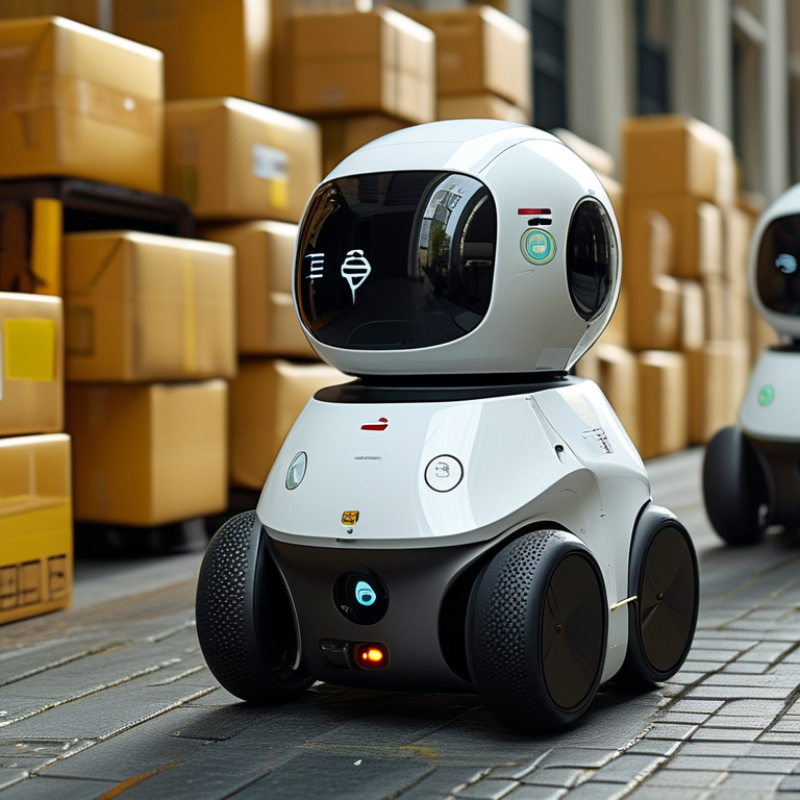
Top 10 Tips for Choosing the Best Package Delivery Robot?
The rise of the Package Delivery Robot is transforming how we think about logistics. These robots promise faster deliveries and reduce the burden on human couriers. However, selecting the right robot is crucial for efficiency.
When evaluating options, consider the robot's design, battery life, and obstacle navigation capabilities. Some models excel in urban environments, while others thrive in suburban areas. User reviews provide valuable insights, but they may not always reflect your specific needs.
Investing in a reliable Package Delivery Robot is essential for your needs. Consider future upgrades and maintenance support. A robot that meets your needs today may not be adequate tomorrow. The right choice requires thorough research and careful thought.
Understanding the Different Types of Delivery Robots Available
When selecting the right package delivery robot, understanding the various types available is crucial. Notably, many robots designed for last-mile delivery operate on sidewalks and pedestrian areas. These units can carry packages weighing around 5 to 20 pounds. Some reports indicate that 77% of consumers prefer getting their packages delivered using robots, given their efficiency and convenience.
Robots also vary in navigation technology. Some use GPS and mapping software, while others rely on machine learning for better obstacle detection. A 2022 industry study revealed that autonomous navigation is a key feature, especially in complex environments. Additionally, some robots can adapt to changes in their surroundings, showcasing the importance of flexibility in delivery systems.
Battery life is another important factor. Most delivery robots can cover distances between 10 to 20 miles on a single charge. However, factors like load weight and terrain can impact performance. Users often reflect on how battery limitations affect timely deliveries. The evolving market demands continuous innovation in this space, and understanding these details can lead to an effective choice.
Evaluating Delivery Robot Features for Your Needs
When you're in the market for a package delivery robot, evaluating its features is essential. Look for robots equipped with advanced navigation systems. Good navigation helps avoid obstacles and ensures timely deliveries. Some robots use GPS, while others rely on sensors. Consider how these technologies fit your delivery needs.
Battery life is another crucial factor. Select a robot that can operate for a sufficient duration on a single charge. The last thing you want is for your robot to stop mid-delivery. Some models need frequent recharging, which can be inconvenient. Reflect on your delivery volume to choose wisely.
Also, think about user experience. How easy is it to program the robot? A complicated interface can be frustrating. Intuitive controls can save time and effort. Evaluate your own tech skills and how comfortable you feel with automation. This doesn’t mean you must be a tech expert, but usability is vital. Consider these details carefully to ensure your delivery robot meets your expectations.
Top 10 Tips for Choosing the Best Package Delivery Robot
| Feature | Description | Importance |
| Navigation System | Quality of the robot's navigational ability including obstacle detection and pathfinding. | High |
| Load Capacity | Maximum weight that the robot can carry during deliveries. | Medium |
| Battery Life | Duration the robot can operate before needing a recharge. | High |
| Security Features | Safety measures including locks and alarms to prevent theft. | High |
| Weather Resistance | Ability to operate in various weather conditions without malfunctioning. | Medium |
| User Interface | Ease of use for the operator and end-user interactions. | Medium |
| Size and Weight | Dimensions and mass of the robot which affect maneuverability. | Low |
| Charging Time | Time required for the robot to fully recharge its batteries. | Medium |
| Cost | Overall investment required for the robot including purchase price and maintenance. | High |
| Maintenance Requirements | Frequency and type of maintenance needed to keep the robot operational. | Medium |
Assessing the Durability and Reliability of Delivery Robots
When assessing the durability and reliability of delivery robots, several factors come into play. Material quality is crucial. Robots made from sturdy materials can withstand various environmental conditions. Check if they are resistant to rain or extreme temperatures. Testing prototypes in real-world settings can provide insights into their long-term performance.
Battery life directly influences a robot's reliability. A delivery robot should function optimally for extended periods without needing constant recharging. It’s beneficial to consider robots that have the capacity to operate for several hours daily. Look for models with smart battery management systems that optimize energy consumption.
Maintenance schedules are also important. Regular maintenance can extend the life of robots. Identify models that require minimal downtime for servicing. Explore user reviews to understand the maintenance experiences of others. This feedback can be invaluable in evaluating overall reliability. Familiarize yourself with common issues and solutions as they arise. This can shape your decision effectively.
Considering the Cost and Budget for a Delivery Robot
When considering the cost and budget for a delivery robot, it's vital to weigh various factors. The initial price often captures attention, but operational costs also matter significantly. Maintenance expenses can add up. Regular servicing might be required, and spare parts can be costly. Evaluate all these aspects before making your choice.
You might find that cheaper models have hidden costs. Some may not perform well in diverse environments. Reliability should never be overlooked. Take time to investigate user feedback and reviews. A robot that breaks down frequently will lead to higher costs in the long run.
Another consideration is the scalability of the delivery solution. Will it meet future needs? If your business grows, can the robot adapt? Investing in technology that can evolve alongside your requirements can save money later. Although it’s tempting to stick to a tight budget, avoid sacrificing quality or capabilities.
Readiness for Integration with Existing Delivery Systems
Integrating package delivery robots into existing systems can be challenging. Companies must assess their current logistics and infrastructure. Understanding compatibility is essential. Not all delivery robots can seamlessly connect to existing software. This may require significant adjustments and retraining.
Evaluating current delivery routes is crucial. Robots need to navigate these paths efficiently. Potential obstacles, like people or cars, can complicate matters. Companies must create a safe environment for their robots. Testing routes before full deployment will help identify challenges. Feedback from these trials will refine processes.
Investing in technology that supports integration is wise. Consider systems that enhance communication between robots and staff. This includes real-time updates and coordination on deliveries. Staff training will also play a role in successful integration. Workers should understand how to manage and troubleshoot the robots. Balancing human oversight with robotic autonomy is key. Reflection on past experiences can guide future decisions in this rapidly evolving field.
Top 10 Tips for Choosing the Best Package Delivery Robot