
Superabrasive

What Are the Top Types of Asphalt Melting Devices?

Choosing the right Asphalt Melting Device starts with the worksite, the material, and the pace of the job. A compact direct-heating unit may suit small, controlled batches. Larger operations often need an insulated kettle or a continuous-feed system to maintain steady output. The differences matter: uneven heating can leave cold material at the edges, while excessive heat can damage the mix. Small details count.

This guide compares common device types by capacity, heating method, mobility, and temperature control. It also considers practical factors, such as how easily an operator can load material and clean the vessel after a shift. No single design fits every crew. The best choice depends on daily volume, site access, and maintenance resources—not appearance alone.

A verified expert quotation was not provided with the source material, so I won’t invent one or attribute a statement to a named specialist. Add a source-checked quote here: “[Verified expert quotation about selecting asphalt melting equipment.]” That check is worth doing. With a credible expert’s name and original source confirmed, the discussion can weigh real operating experience alongside equipment specifications. I may be missing details about your intended audience; the comparisons should be adjusted if this outline is for contractors, fleet buyers, or plant operators.
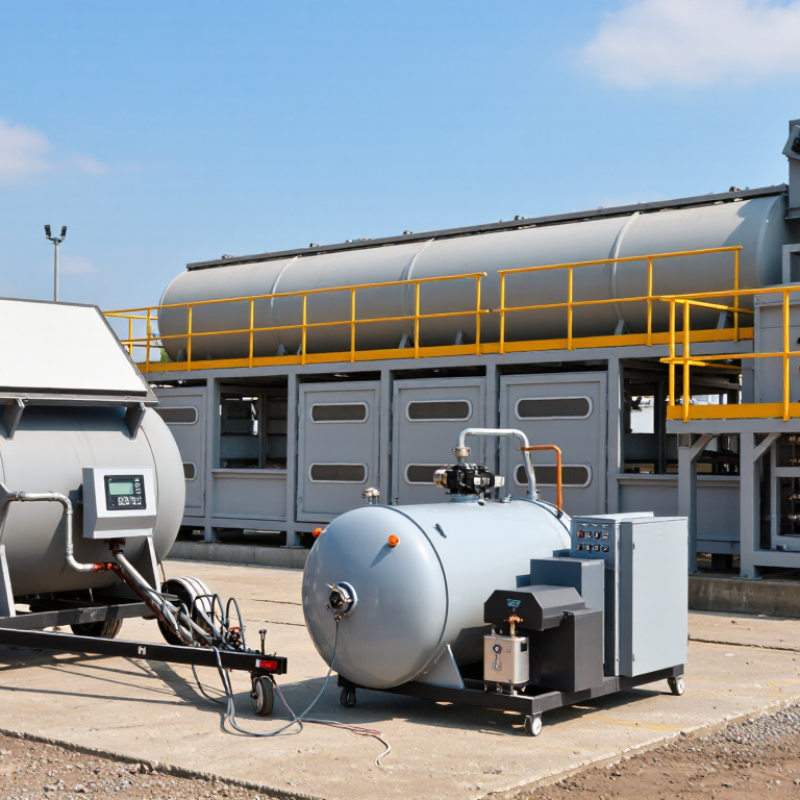
What Are the Top Types of Asphalt Melting Devices?

Direct-Fired Asphalt Melters for Fast, On-Site Heating

Direct-fired asphalt melters use a burner to heat the vessel, warming solid asphalt for on-site use. Their compact setup can suit patching work, driveway repairs, and small maintenance crews. A controlled burner helps bring material to a workable state without waiting for a separate heating plant. Still, fast heating depends on the melter’s capacity, the asphalt’s condition, and the weather.

Operators should monitor the material with a suitable thermometer and follow the equipment and asphalt supplier’s temperature guidance. Overheating can affect material performance, while uneven heating may leave stubborn solid pieces near the sides. Keep the unit on stable ground, and allow room for safe loading and pouring. Heat matters. One detail is easy to underestimate: cold wind can slow the process, even when the burner is running steadily.

Tips: Pre-break large asphalt chunks to support more even heating. Stir only with tools designed for hot material, and wear suitable protective gear. Check hoses, burner connections, and the work area before lighting. If the temperature reading seems inconsistent, pause and inspect the setup rather than turning up the heat.

Indirect-Fired Asphalt Melters for Even Heat Distribution

Indirect-fired asphalt melters warm material without placing a burner flame directly against the asphalt. Heat passes through a jacket, coil, or heated surface, depending on the equipment design. This separation helps limit hot spots and reduces the chance of scorching near the burner. It does not eliminate temperature variation.

Even heat distribution depends on more than the heating system. A properly sized vessel, effective circulation or agitation, and correctly placed temperature sensors all matter. Operators should check readings at multiple points when possible, especially after adding cold asphalt blocks. Slow melting is often safer than simply turning up the burner. Small detail, big difference.

An indirect-fired melter can help crews maintain a steady supply of workable asphalt for patching or maintenance. Look for accessible cleanout areas, insulated walls, and controls that allow gradual temperature adjustment. Keep the material within the equipment supplier’s recommended range, and avoid heating it longer than necessary. Real conditions vary. Wind, load size, and maintenance can affect heating time, so one schedule may not suit every job. Treat even heating as a process to verify, not a feature to assume.

What Are the Top Types of Asphalt Melting Devices? — Indirect-Fired Asphalt Melters for Even Heat Distribution
Device Type How It Transfers Heat Heat Distribution Typical Applications Key Considerations
Indirect-Fired, Thermal-Oil-Jacketed Melter A burner heats thermal oil, which circulates through a jacket around the melting vessel. The oil transfers heat to the asphalt without direct flame contact with the product. Generally even across the jacketed vessel, helping reduce localized overheating when the system is properly designed and operated. Batch melting of asphalt or bituminous materials where controlled, steady heating is important. Requires a thermal-fluid circuit and regular inspection of the burner, fluid, pump, and temperature controls. Actual performance depends on vessel design, loading, and circulation.
Direct-Fired Kettle A burner applies heat directly to the outside bottom or sides of the kettle. Heat is concentrated near the heated surfaces; mixing and careful temperature control can help limit temperature differences within the material. Small-scale or jobsite melting, subject to the equipment’s capacity and applicable safety requirements. Operators need to monitor material temperature and avoid prolonged heating or inadequate mixing, which can contribute to scorching or uneven melting.
Electric-Resistance Melter Electrical resistance elements heat the vessel, a jacket, or another heat-transfer surface. Can provide controlled heating; uniformity depends on element placement, vessel design, and whether the material is mixed. Installations where a suitable electrical supply is available and combustion heating is not preferred. Heating capacity is limited by the available electrical service and equipment rating. Electrical protection and temperature controls must be appropriate for the installation.
Heated-Grid Block Melter A heated grid melts compatible solid asphalt or bitumen blocks as material passes through or over the grid and collects in a receiving vessel. Heat is applied at the grid surface; melting rate and consistency depend on grid temperature, block contact, and material feed. Processing solid blocks or packaged bituminous material in systems designed for that feed format. Confirm that the material and packaging are suitable for the unit. Grid design, feeding method, and downstream temperature control affect operation.

Hot-Oil-Jacketed Melters for High-Volume Asphalt Processing

Hot-oil-jacketed melters are designed for steady, high-volume asphalt processing. A heated fluid circulates through the vessel’s jacket, transferring heat indirectly to the asphalt. This helps reduce localized overheating compared with direct flame contact. It also supports more consistent material temperatures during long production runs. That matters.

An agitator moves the asphalt as it softens, helping limit cool pockets near the vessel walls. Operators can monitor fluid and material temperatures, then adjust the process as viscosity changes. Insulation helps retain heat, while a suitable ventilation and exhaust setup manages fumes around loading and discharge areas. Small details count: a clogged line or worn seal can interrupt an otherwise stable shift.

These systems can suit plants that need reliable throughput, but they require planning. The heat-transfer fluid circuit adds equipment to inspect, and the unit may take time to warm up after a cold start. Maintenance schedules should cover pumps, hoses, seals, controls, and insulation. A common oversight is sizing only for peak output; actual production also depends on asphalt condition, loading rhythm, and discharge time. Allow room for those less tidy parts of the job.

Electric Asphalt Melters for Precise Temperature Control

Electric asphalt melters suit crews that need steady heat and repeatable material flow. Their heating elements warm the tank without an open flame, while a thermostat helps maintain a selected operating range. That control matters: material that is too cool may pour poorly, while excessive heat can degrade some formulations. Check the recommended range.

A well-designed unit places its temperature sensor where it can read the material, not just a hot tank wall. Insulated vessels also reduce heat loss during pauses. Operators should stir when the material requires it and compare the display with a suitable thermometer during routine checks. Small differences matter. A sensor can drift.

Electric models can be useful where controlled heating is preferred, provided the site has an adequate power supply and ventilation. Before loading, inspect the cords, controls, and tank, then warm the contents gradually. Avoid assuming one setting fits every batch. Material composition, fill level, and outdoor temperature all affect heating time. Precise control still depends on careful setup and attentive operation; the display cannot replace either.

Drum and Block Melters for Packaged Asphalt Materials

What Are the Top Types of Asphalt Melting Devices?

Drum and block melters are designed for packaged asphalt materials, but they suit different handling needs. A drum melter heats asphalt inside its container, often using controlled, indirect heat. It can simplify loading when material arrives in drums. Operators should check that the drum type and dimensions match the equipment.

A block melter handles solid asphalt blocks, typically loaded into a heated chamber or onto a melting surface. As the material softens, molten asphalt drains into a holding tank for transfer. Melting time depends on block size, starting temperature, and equipment capacity. In practice, uneven block sizes can slow the process. That detail is easy to underestimate.

Tips: Check temperature controls and drain paths before loading. Keep packaging debris out of the melt. Follow the equipment instructions for heating rates; pushing heat too high may degrade asphalt or create uneven melting. A quick loading check helps, though it cannot replace careful monitoring.

All search results