
Choosing a wrapping system begins with the product, not the machine catalogue. A compact carton may suit a flow wrapper, while a pallet of mixed boxes may need a stretch wrapper. Shrink wrappers, sleeve wrappers, and stretch-film systems each solve different handling problems. The right choice depends on product shape, pack speed, film type, available floor space, and the finish customers expect.
A useful expert quotation should be verified before publication. Insert a confirmed statement here: “[Verified quotation about matching wrapping equipment to product and production needs]” — [Verified expert name], [professional role or organization]. Without a reliable source, assigning these words to a named specialist would weaken the article’s credibility.
This guide compares the top types of Wraping Machine by their typical applications, strengths, and practical limits. It will look at how flow wrapping handles individual products, how shrink systems create tight bundles, and how stretch wrapping stabilizes pallet loads. It will also consider setup, changeover, maintenance access, and the space operators need around a line. Small details matter. A wrapper that runs quickly in a demonstration may not suit fragile products or frequent format changes. No machine fits every operation. The trade-offs deserve a closer look, too: packaging goals, labor conditions, and material use can pull in different directions.
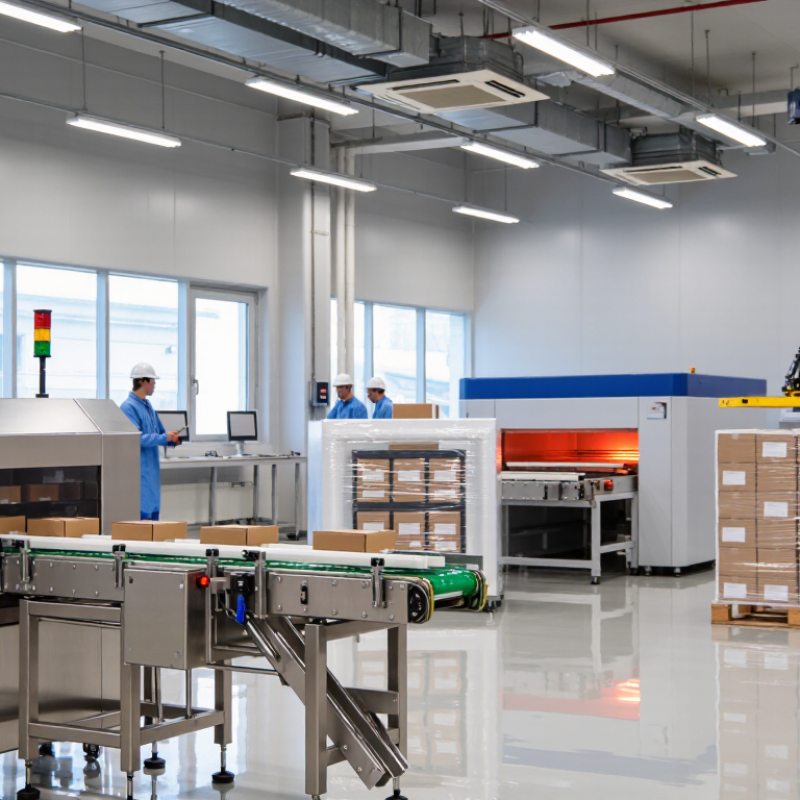
Wrapping machines are best classified by how film or material forms around a product. Stretch wrappers pull elastic film tightly around pallet loads, often leaving the goods visible. Shrink wrappers enclose products in loose film, then use heat to make it conform. Flow wrappers form a sealed film tube around individual items, such as bars or boxed goods. Orbital machines rotate film around long or bulky loads. The method changes film use, load stability, and line speed.
Grand View Research’s Packaging Machinery Market Size, Share & Trends Analysis Report estimated the global packaging machinery market at USD 45.4 billion in 2022, with a projected 4.2% annual growth rate from 2023 to 2030. This covers many machine types, not wrapping machines alone, so it is useful market context rather than a wrapping-specific forecast.
The distinction matters. For a pallet of mixed cartons, stretch wrapping may provide containment; a heat-sensitive product may need another approach. Check film compatibility and package strength on the actual line.
A neat product photo can mislead. In practice, even a small change in load shape can affect film tension and seal quality.
The “best” method depends on the product, not just the machine label.
Stretch wrapping machines mainly differ by how they support and move a pallet.
That matters.
Orbital and ring wrappers carry film around long, flat, or unusually shaped products, such as pipes or bundles of panels.
Operation can be manual, semi-automatic, or automatic. Semi-automatic machines need an operator to attach film and start the cycle; automatic lines can feed and cut film with less intervention. The categories are not perfectly clean: a rotary-arm model may be semi-automatic or fully automatic.
PMMI’s 2022 State of the Industry report estimated U.S. packaging machinery shipments at $10.5 billion in 2021, up 11.2% from 2020. That figure covers packaging machinery broadly, not stretch wrappers alone, but it signals investment in packaging equipment.
Choose by load stability, pallet dimensions, daily volume, and available floor space. A fast machine is not always the right one.
A poorly matched wrapper can leave loose film at the corners, so test representative loads before specifying a system.
Shrink wrapping starts with a product placed inside a loose sleeve or film. The package then passes through a heat source, often a controlled tunnel. Heat makes the film contract around the product’s shape. Cooling helps the film hold its fit. Operators adjust temperature, conveyor speed, and film tension to prevent loose corners or wrinkles. Too much heat can distort sensitive items or weaken the film. A small test run helps reveal problems before full production. That matters.
Flow wrapping uses a different approach. A horizontal machine draws film from a roll and forms it into a tube around each item. Sealing jaws close the film along the underside and cut seals between products. Items move steadily along the conveyor, so spacing and timing affect seal quality. This method suits products with consistent shapes, such as bars, trays, or small household goods. Unlike shrink wrapping, it does not depend on heat to tighten the film around the item. Operators still need to check seal temperature, film alignment, and product spacing. Setup takes adjustment. Not always. A crooked product can create a weak seal or a messy package.
| Machine Type | How It Works | Common Packaging Materials | Typical Applications | Key Considerations |
|---|---|---|---|---|
| Shrink Wrapping Machine | A machine loosely encloses a product or group of products in shrink film. A heat tunnel or other heating system warms the film, causing it to contract around the load. | Heat-shrink films, commonly polyolefin, polyethylene, or PVC, depending on the application. | Multipacks, boxed goods, retail bundles, and products that need a clear outer film. | Requires suitable heat-shrink film and controlled heat. Product shape, film selection, and heat settings affect the finished package. |
| Flow Wrapping Machine | Products move through the machine while a continuous film web is formed into a tube around them. Longitudinal and end seals create individual packages, often called pillow packs. | Flexible rollstock, such as heat-sealable polypropylene and other films selected for the product and packaging requirements. | Bars, bakery products, produce, medical items, and other individual products suited to horizontal feeding. | Usually works best with products that can be fed consistently. The package is formed by sealing film, not by shrinking it with heat. |
| Stretch Wrapping Machine | Stretch film is stretched and wrapped around a load. Turntable, rotating-arm, and rotary-ring systems are common configurations. | Stretch film, typically polyethylene-based. | Palletized cartons, containers, and other unit loads prepared for storage or transport. | Film tension and wrapping pattern need to secure the load without crushing or shifting its contents. |
| Sleeve Wrapping Machine | A film sleeve is placed around a product or group of products. In shrink-sleeve systems, heat then contracts the sleeve around the items. | Polyethylene shrink film and other suitable shrink films. | Bundled bottles, cans, cartons, and other products packaged as multipacks. | Product grouping and sleeve dimensions affect fit. A shrink tunnel is commonly used when a tight sleeve finish is required. |
| Orbital Wrapping Machine | A roll of film rotates around a product as it passes through a wrapping ring, applying film around its length or circumference. | Stretch film or other flexible protective wrapping films, depending on the machine and application. | Long or irregular items such as profiles, pipes, lumber, and similar products. | Useful for elongated products that are difficult to wrap on a standard turntable; load dimensions determine machine configuration. |
Pallet wrappers are common in warehouses, distribution centers, and factories where goods move on standard pallets. They secure cartons, sacks, or tubs into a stable load before storage or shipping. A turntable model rotates the pallet while film stretches around it; an arm model moves around loads that are too heavy or unstable to spin safely. In practice, the wrapper must suit the load, not just the warehouse. Tall cartons may need extra film near the base, while slippery packaging can shift during rotation. Small details matter. Operators should check film tension and load stability, since excessive wrapping can waste film without fixing poor stacking.
Orbital wrappers are commonly used for long or bulky products that do not sit neatly on pallets. Examples include pipes, timber, panels, furniture components, and metal profiles. A rotating ring carries film around the stationary item, helping protect its surface from dust, scuffs, and some handling exposure. It is not a substitute for sealed, weatherproof packaging. These machines are useful when products are awkward to turn or need wrapping along their length. The choice is not always neat: product dimensions, film type, and line speed can change what works. A short production trial often reveals problems that a specification sheet misses.
Choosing a wrapping machine starts with the product, not the machine catalogue. Measure its length, width, height, and weight, then check whether it is fragile, slippery, dusty, or irregularly shaped. A small soap bar and a long metal profile need very different handling. How many units must the line wrap each minute? That matters.
Flow wrappers suit many uniform, individual products, such as cartons or food trays. Shrink wrappers use heat to tighten film around grouped items, but delicate products may need careful temperature control. Stretch wrappers stabilize pallet loads; they are not usually designed for small retail items. For products with unusual shapes, a manual or semi-automatic system may offer more control, though it can limit output. The right type depends on both the product and the package you need.
Ask suppliers to test actual products and packaging materials, not just samples with ideal dimensions. Watch for loose film at corners, scuffed surfaces, awkward loading, and jams during a sustained run. Test it. Also consider changeover time if product sizes vary, and confirm that operators can safely reach controls and clear routine faults. A faster machine may create more waste if its settings are difficult to adjust. No checklist makes the choice perfect; real products often behave differently from specifications. A short production trial can reveal that.
Relative suitability by product and load type. Scores are a qualitative planning guide, not measured performance: 1 = low suitability; 5 = high suitability.
How to choose: Flow wrappers are commonly used for individual products, shrink bundlers for grouped products, and pallet stretch wrappers for unit loads. Consider product dimensions, load stability, desired packaging material, and required line speed before selecting a machine.
| Cookie | Duration | Description |
|---|---|---|
| cookielawinfo-checkbox-analytics | 11 months | This cookie is set by GDPR Cookie Consent plugin. The cookie is used to store the user consent for the cookies in the category "Analytics". |
| cookielawinfo-checkbox-functional | 11 months | The cookie is set by GDPR cookie consent to record the user consent for the cookies in the category "Functional". |
| cookielawinfo-checkbox-necessary | 11 months | This cookie is set by GDPR Cookie Consent plugin. The cookies is used to store the user consent for the cookies in the category "Necessary". |
| cookielawinfo-checkbox-others | 11 months | This cookie is set by GDPR Cookie Consent plugin. The cookie is used to store the user consent for the cookies in the category "Other. |
| cookielawinfo-checkbox-performance | 11 months | This cookie is set by GDPR Cookie Consent plugin. The cookie is used to store the user consent for the cookies in the category "Performance". |
| viewed_cookie_policy | 11 months | The cookie is set by the GDPR Cookie Consent plugin and is used to store whether or not user has consented to the use of cookies. It does not store any personal data. |