2026 Top Vacuum Drying Machine Features Buyers Must Know?
The vacuum drying machine industry is rapidly evolving. As an expert in this field, Dr. Emily Chen highlights, "Understanding the features of vacuum drying machines is essential for effective applications." With advancements in technology, knowing the features of vacuum drying machines can drastically improve operational efficiency.
A vacuum drying machine offers unique benefits over traditional drying methods. It preserves the quality of sensitive materials by eliminating moisture at low temperatures. This is crucial for industries such as pharmaceuticals and food processing, where product integrity is vital. Yet, with so many options available, distinguishing between models can be challenging.
Buyers should pay close attention to key features. The capacity, energy efficiency, and control systems play significant roles in performance. Evaluating these aspects can prevent costly mistakes. Some machines may look appealing but lack reliability. Thus, understanding these critical features helps ensure a wise investment in the vacuum drying machine market.
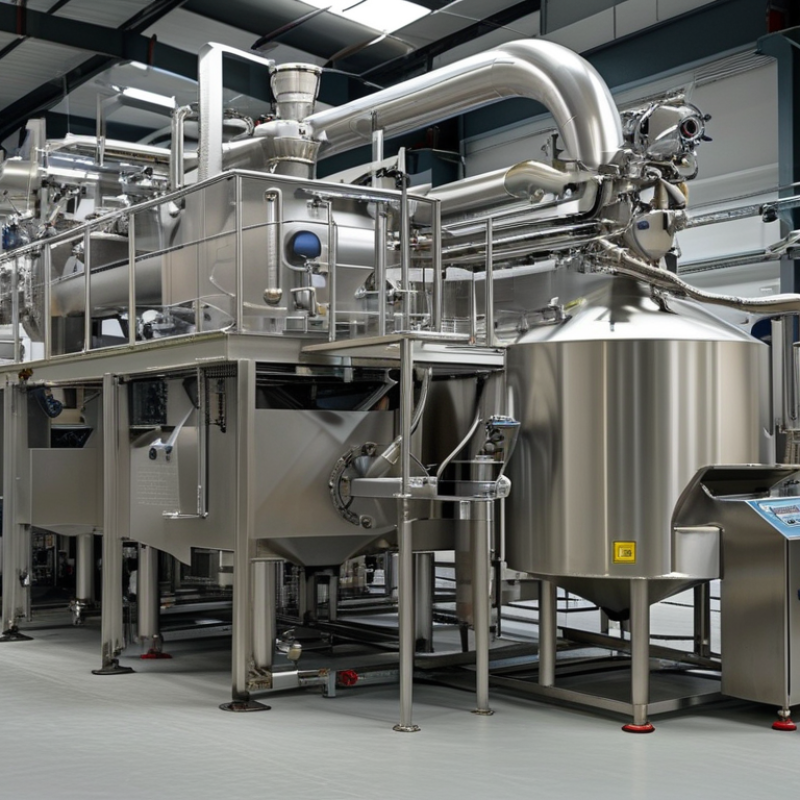
Key Features to Look for in Vacuum Drying Machines
When selecting a vacuum drying machine, understanding key features is crucial. The drying efficiency is vital. A good machine ensures optimal heat transfer. This speeds up the drying process while maintaining product quality. Look for models with adjustable temperature controls. This allows customization based on materials used.
Another important feature is the vacuum level. A higher vacuum level enhances moisture removal efficiency. Machines with built-in vacuum pumps streamline operations. Monitoring systems are also valuable. They provide real-time data on temperature and pressure. This helps operators make informed decisions during the drying process.
Durability matters, too. Machines made from high-quality materials tend to last longer. However, some may overlook maintenance needs. Regular checks on seals and components extend the machine’s lifespan. Operators should be aware of potential wear and tears. These factors can impact performance over time. Making informed decisions based on these features will contribute significantly to overall drying success.
Key Features to Look for in Vacuum Drying Machines
Understanding Different Types of Vacuum Drying Technologies
Vacuum drying technology is vital in various industries. Understanding the different types can help buyers make informed choices. Typically, vacuum drying methods include convection, conduction, and radiant techniques. Each has unique features suited for specific applications.
Convection vacuum drying uses hot air circulation. This process enhances heat transfer but may lead to uneven drying. In contrast, conduction vacuum drying relies on direct contact with heated materials. It offers efficient energy use but requires precise control to prevent overheating. Radiant drying employs infrared radiation. It's faster but may not be suitable for all materials.
Buyers should also consider the scale of production and batch processing needs. Some technologies require more space and investment. While all methods have pros and cons, evaluating your material properties is essential. Drying time, temperature sensitivity, and desired moisture content must be in mind. Balancing efficiency with product quality remains a challenge in the vacuum drying process.
Importance of Energy Efficiency in Vacuum Drying Machines
Energy efficiency plays a crucial role in the performance of vacuum drying machines. When selecting a machine, the focus should be on its energy consumption. Machines that are energy efficient not only reduce operational costs but also minimize environmental impact. Lower energy use translates to fewer carbon emissions, an important consideration for businesses aiming to enhance sustainability.
The design of the vacuum drying machine can affect its energy efficiency significantly. Look for features such as advanced insulation and effective heat recovery systems. These features help retain heat, reducing the amount of energy needed for drying processes. The choice of materials also matters; lightweight materials can improve efficiency by requiring less energy to heat and maintain.
However, energy efficiency is not the only priority. Reliable performance is equally essential. Machines that promise high energy savings must not compromise drying quality. It's worth pondering if you can balance both aspects. Efficiency may come with technological limitations that could affect your production speed. This presents a challenge for many buyers, who must navigate the trade-offs between energy savings and effective performance.
Factors Affecting the Performance of Vacuum Drying Equipment
When selecting vacuum drying equipment, several factors significantly influence its performance. The moisture content of the material plays a critical role. High moisture levels require more time and energy to achieve the desired dryness. Thus, understanding initial moisture is essential for effective drying.
Another key factor is pressure settings. Operating at the right vacuum level can maximize efficiency. A lower pressure reduces boiling points, allowing moisture removal at lower temperatures. However, excessively low pressure can lead to prolonged drying times. It is a delicate balance that requires careful tuning based on specific applications.
Finally, the design of the drying chamber impacts airflow and heat distribution. Inadequate airflow can result in uneven drying. This could lead to some areas remaining wet while others are over-dried. Regularly reviewing chamber conditions can improve overall performance. Users should not overlook the importance of material handling. Properly spacing and arranging materials can enhance exposure to heat and airflow.
Cost Considerations When Choosing a Vacuum Drying Machine
When considering the purchase of a vacuum drying machine, cost is a crucial factor. Initial purchase prices vary significantly based on features and specifications. Basic models serve small-scale operations well, but advanced features can provide better efficiency and productivity.
Maintenance costs are often overlooked. Regular servicing is necessary to ensure optimal performance and longevity. Spare parts may be expensive, depending on the machine design. Additionally, energy consumption plays a role in long-term expenses. Machines that use less energy can lead to substantial savings over time.
It’s important to reflect on your specific needs. How often will you use the machine? What materials will you be drying? These questions can dramatically influence your overall cost. Investing in a slightly more expensive machine with better capabilities may yield greater returns. Balancing initial costs with long-term efficiency requires careful evaluation.
