Ultimate Guide to Uv Curing Machine Tips for Buyers?
When it comes to industrial printing and coating, the choice of a Uv Curing Machine can impact your production significantly. Understanding the technology behind these machines is essential. It helps in selecting the right one for your specific needs. The Uv Curing Machine uses ultraviolet light to cure inks, coatings, and adhesives. This process is efficient and can lead to faster production times.
Buyers often face challenges when choosing a suitable machine. There are many options available, each with unique features and specifications. It’s important to consider factors like output speed, energy consumption, and maintenance requirements. Many users have reported issues related to compatibility with different substrates. This highlights the need for thorough research before making a purchase.
Investing in a Uv Curing Machine can enhance product quality. However, understanding the technology and its limitations is crucial. Buyers should be prepared to navigate potential obstacles and seek advice from industry experts. This guide aims to provide you with the knowledge you need. Knowledge is power, especially when making such an impactful investment.
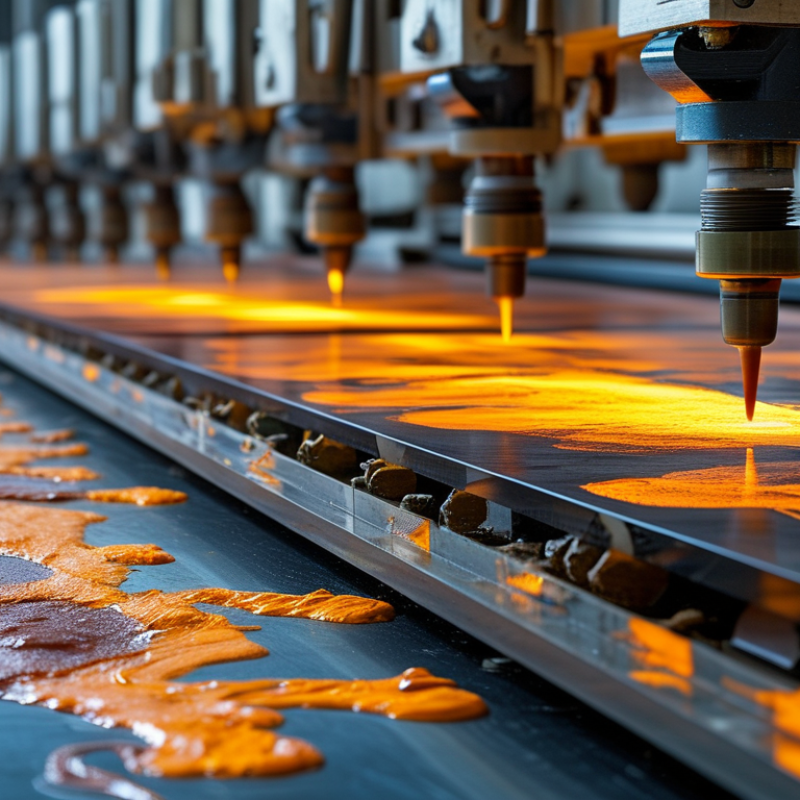
Understanding UV Curing Technology: Basics and Applications
UV curing technology has transformed various industries, including printing, coatings, and adhesives. This process uses ultraviolet light to cure materials rapidly. A report from Smithers indicates the global UV curing market is expected to reach $3.6 billion by 2026, reflecting a CAGR of 9.2% from 2021. This growth highlights the importance of understanding its fundamental principles.
The applications of UV curing technology are diverse. It's used in everything from UV-printed labels to automotive finishes. The curing mechanism involves photoinitiators that react to UV light, generating free radicals to initiate polymerization. This rapid process significantly enhances productivity. However, the effectiveness depends on the material's compatibility and the curing's depth. Misalignment can lead to incomplete curing, resulting in defects.
Companies rely on precise measurements and quality control. Data from the American Coatings Association shows that improper curing accounts for 25% of production defects in UV applications. This statistic underscores the need for buyers to invest in reliable machines. Understanding the science behind UV curing can pave the way for achieving superior results in production processes.
Key Considerations for Selecting the Right UV Curing Machine
When selecting the right UV curing machine, key considerations come into play. First, assess your specific application. Different industries, like printing or coatings, may require varying levels of intensity and wavelength. For instance, a report from Smithers Pira indicated that the UV printing market is expected to grow at a compound annual growth rate of 12% through 2025. This growth highlights the importance of choosing the right technology for your production needs.
Energy efficiency is another critical factor. Modern UV curing machines offer various energy-saving options, which can significantly reduce operational costs over time. According to a 2022 study by the Environmental Protection Agency, UV curing technologies can achieve energy savings of up to 40%. However, not all machines provide the same level of efficiency; investigating each model's specifications is essential.
Maintenance and support should also weigh heavily in your decision. Machines may require regular servicing to avoid performance dips. Companies that underestimate maintenance needs often face downtime, which can affect productivity. It’s vital to seek machines that come with comprehensive support and clear maintenance guidelines to prevent these pitfalls. Balancing these considerations will lead to a more informed purchase.
Ultimate Guide to UV Curing Machine Tips for Buyers - Key Considerations for Selecting the Right UV Curing Machine
| Feature | Description | Importance |
| Wavelength | The specific wavelength that the UV curing machine operates at. | Critical for the type of materials being cured. |
| Power Output | Measured in Watts, indicates how quickly the machine can cure materials. | Impacts efficiency and production speed. |
| Size and Footprint | Physical dimensions of the machine, including space it occupies. | Affects installation and integration into existing workflows. |
| Curing Speed | The time it takes to cure different types of materials. | Essential for meeting production deadlines. |
| Safety Features | Includes protective shields and emergency shut-off systems. | Ensures operator safety during operation. |
| Type of UV Light Source | Choices include mercury vapor, LED, and others. | Affects energy consumption and curing performance. |
Evaluating UV Curing Machine Specifications and Features
When evaluating UV curing machines, start by examining the specifications. Pay attention to the wavelength range, as this determines the types of materials that can be effectively cured. For instance, common wavelengths include 365 nm and 395 nm. Different applications may require specific wavelengths for optimal results. The power rating also matters. Higher power allows for faster curing times, which can significantly impact production efficiency.
Next, consider the machine's features. Look for adjustable settings that allow customization for various projects. Features like multiple curing modes can improve flexibility. Additionally, check for built-in safety measures. Machines should have adequate shielding and emergency shut-off options. User-friendly interfaces enhance operability but reflect on their potential learning curve.
Sourcing from reliable manufacturers adds to your trustworthiness. However, always be prepared for potential maintenance issues. UV curing machines can require adjustments and part replacements over time. Understanding common problems helps in effective troubleshooting. Balancing these factors will lead to informed purchasing decisions.
Maintenance Tips for Optimal Performance of UV Curing Equipment
When it comes to maintaining UV curing equipment, regular care is vital for optimal performance. Dust and debris can build up over time, clogging components and impacting efficiency. Regularly inspect the machine for any signs of wear. Pay close attention to the UV lamps. They degrade over time and need replacing based on usage. Keep a log to track lamp hours and plan replacements.
Another crucial aspect is proper cooling. Ensure that the cooling fans are functioning correctly. Overheating can lead to machine failure, affecting production timelines. Regular maintenance checks can help identify potential issues early. Clean the ventilation system frequently to avoid blockages.
Finally, keep an eye on the software that controls the curing process. Software updates can enhance performance and introduce new features. Stay informed about updates from the manufacturer, but remember, not all updates may be suitable. Test new software versions thoroughly before implementing them in production.
Ultimate Guide to UV Curing Machine Maintenance Tips
Common Mistakes to Avoid When Purchasing UV Curing Machines
When considering the purchase of a UV curing machine, many buyers overlook crucial aspects. One common mistake is failing to understand their specific needs. Each business has unique requirements based on the materials processed and the volume of production. Consider the type of inks, coatings, or adhesives you will be curing. If you don’t align your choice with your actual application, you may end up with equipment that isn’t optimal for your needs.
Another frequent pitfall is ignoring the importance of compatibility. Not all UV curing machines work well with every UV lamp or curing system. Research the types of UV lamps available and ensure they match your chosen machine. Many buyers rush into decisions without verifying these factors. This can lead to inefficiencies and increased costs in the long run.
Lastly, many overlook the ongoing support and maintenance the machine might require. Cheap initial costs can often lead to expensive repairs or replacements. Consider the machine's lifespan and warranty options before making a purchase. Knowledge about potential pitfalls is crucial for effective decision-making. Be aware and make informed choices to avoid regret later.
