What Are Stainless Steel Meat Hooks Used For?
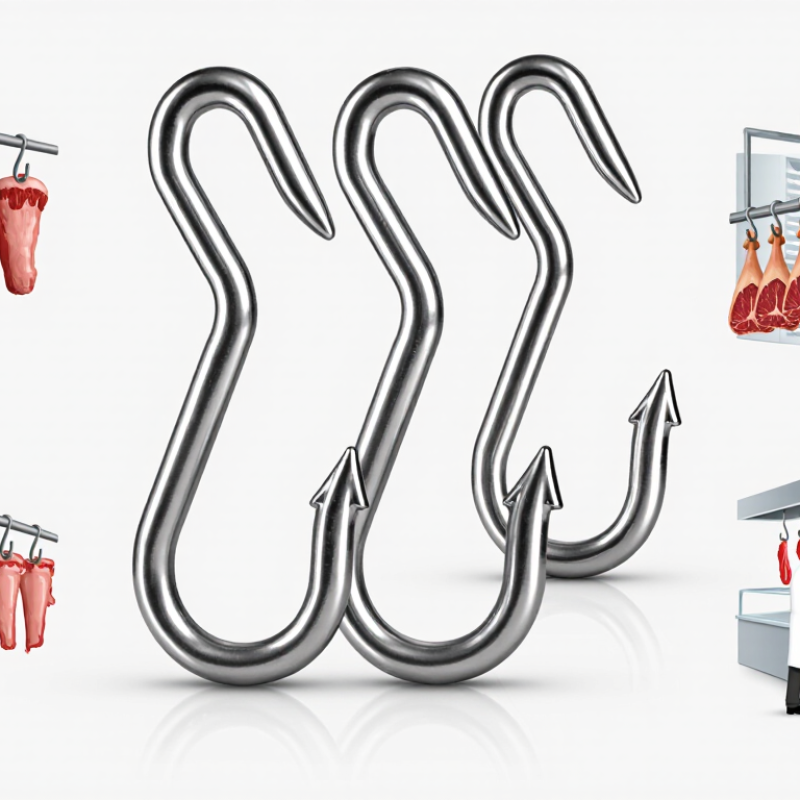
Stainless Steel Meat Hooks are simple tools, but their design affects how meat is lifted, suspended, moved, and stored. In butcher shops and processing rooms, workers use them to hang carcasses or large cuts from rails, position products for trimming, and support meat during curing or smoking. The hook’s curve keeps a cut in place; its shank and point take the strain. Small tool. Real responsibility.
The scale of the industry makes dependable handling equipment important. The FAO’s Food Outlook, published in November 2024, forecast global meat production at about 366 million tonnes for 2024. That figure describes a vast supply chain, not the number of hooks in use, but it helps explain why practical handling details matter. A bent hook, rough point, or weak weld can interrupt work and create avoidable handling risks. Even a tidy-looking hook deserves inspection.
Material and construction matter, too. Stainless steel is valued for corrosion resistance and cleanability, though performance depends on the alloy, finish, weld quality, and care routine. USDA FSIS sanitation guidance stresses maintaining food-contact surfaces in clean, sanitary condition; it does not make every stainless hook automatically suitable for every task. This guide explains common hook styles, where they are used, and what to check before choosing one. Load limits and cleaning instructions should come from the manufacturer. That detail is easy to overlook.
Material Basics: Type 304 Stainless Steel Typically Contains 18% Chromium and 8% Nickel
What Are Stainless Steel Meat Hooks Used For?
Stainless steel meat hooks are used to suspend cuts or carcasses during handling, storage, and processing. Type 304 is common because it typically contains about 18% chromium and 8% nickel. Exact percentages can vary within the grade’s specifications. Chromium helps form a thin passive surface layer when exposed to oxygen. This layer slows rusting and makes the steel easier to clean. Nickel helps stabilize the steel’s austenitic structure and supports its toughness and corrosion resistance. Small details matter.
That resistance is useful around damp surfaces and frequent washdowns, but Type 304 is not rust-proof. Salt, acidic meat residues, and some harsh cleaning chemicals can damage its protective layer, especially if left on the surface. Rinse hooks thoroughly, then dry them when practical. Check bends, joints, and scratches, where residue can collect. I once thought “stainless” meant no maintenance; that assumption misses how much cleaning conditions matter. For a hook, smooth construction and careful upkeep matter alongside the alloy itself. A composition label helps, but it cannot reveal every detail of the hook’s finish or care history.
What Are Stainless Steel Meat Hooks Used For? - Material Basics: Type 304 Stainless Steel Typically Contains 18% Chromium and 8% Nickel
| Topic | Typical Details | Practical Notes |
| Carcass handling | Hooks can suspend carcasses or large meat sections from suitable rails during processing, chilling, or storage. | Select a hook shape and working-load rating appropriate to the product and supporting equipment. |
| Cut and portion handling | Smaller hooks may be used to hang individual cuts or portions in food-processing and preparation settings. | The hook must securely support the cut without obstructing workflow or creating an avoidable handling hazard. |
| Smoking and curing | Hooks may suspend suitable meat products in smokehouses or curing rooms where hanging is part of the process. | Check compatibility with process temperature, cleaning chemicals, and the specific food-contact requirements that apply. |
| Common hook forms | Examples include single-prong, double-prong, S-shaped, and swivel designs. | The appropriate form depends on the cut, hanging method, rail system, and required ease of loading or removal. |
| Type 304 composition | Type 304 is commonly described as 18/8 stainless steel: approximately 18% chromium and 8% nickel. Standard composition ranges are roughly 18–20% chromium and 8–10.5% nickel. | Exact composition varies within the applicable material specification; “18/8” is a general description, not a guarantee of exact percentages. |
| Corrosion resistance | Chromium helps stainless steel form a passive surface layer, and Type 304 offers good general corrosion resistance in many food-handling environments. | Chlorides, salt deposits, harsh chemicals, and poor cleaning can cause staining or pitting. Assess exposure conditions and clean and dry equipment appropriately. |
| Cleaning and inspection | Reusable hooks should be cleaned and sanitized according to the facility’s procedures and applicable food-safety rules. | Inspect for cracks, sharp burrs, deformation, corrosion, and damaged welds; remove damaged hooks from service. |
| Load and safety | Safe use depends on the hook’s design, material, construction, suspension point, and the load being handled. | Use the manufacturer’s stated working-load limit where provided; do not infer capacity from stainless-steel grade alone. |
Note: Material suitability and food-contact compliance depend on the finished hook, its surface condition, intended use, cleaning process, and applicable local regulations.
Main Uses: Suspending Carcasses for Dressing, Chilling, Storage, and Butchery
Stainless steel meat hooks are used to suspend carcasses during dressing, chilling, storage, and butchery. A properly sized hook supports the load while keeping the carcass clear of floors and work surfaces. That gap helps workers reach around the meat and reduces contact with dirty surfaces. The hook’s smooth, nonporous finish is also easier to wash than rough or corroded metal. Clean it thoroughly. Even stainless steel needs careful cleaning and drying.
During dressing, a secure hook can hold a carcass steady while workers remove hide or trim tissue. In a chiller, hooks allow cold air to circulate around hanging meat, helping it cool more evenly.
Spacing matters: crowded carcasses restrict airflow, while a loose hook can shift under weight. Check the hook’s rated capacity and inspect its curve for cracks, bends, or rough spots before use. A small flaw can become a real problem.
Hooks also make storage and butchery areas easier to organize. Workers can move hanging meat along compatible rails, then position cuts for controlled trimming. The workflow is practical, though not perfect; hooks can swing, and crowded rails slow handling. Keep them separated from clean tools during washing, and let them dry before storage. A quick inspection is worth the extra minute.
Hook Types and Load Ratings: Match Rated Capacity to the Carcass Weight
Stainless steel meat hooks suspend carcasses during handling, chilling, and processing. Their shape affects how securely they hold the load. A single-point hook suits a strong hanging point, while a gambrel spreads the weight across two legs. S-hooks connect rails or other supports, but their opening and curve must fit the setup. A hook that twists or slips is not a good match.
Check the hook’s rated working load, not its breaking strength. The rating should exceed the carcass’s full weight, with allowance for movement when lifting or repositioning it. Also check the rail, trolley, and connectors: the whole assembly is limited by its weakest rated part. Ratings vary by design and manufacturer, so avoid assuming that two similar-looking hooks can carry the same load. A neat-looking hook can still be the wrong choice.
In a processing room, record the expected carcass weight and compare it with the hook’s stated capacity before use. If weights vary, size the setup for the heaviest expected carcass, not the average. Leave room for uncertainty. Inspect hooks for bends, cracked welds, sharp damage, or heavy corrosion, and remove doubtful equipment from service. Cleaning matters, but it does not restore a damaged load rating.
Cold-Chain Context: USDA Recommends Refrigeration at 40°F (4°C) or Below
Stainless steel meat hooks are used to suspend cuts during processing, handling, and chilled storage. Their smooth, sturdy construction can make it easier to move meat without placing it on a work surface. But the hook itself does not keep food safe. Temperature control still matters.
USDA recommends keeping refrigerated meat at 40°F (4°C) or below. Check the cooler with a reliable thermometer, rather than guessing from how cold the room feels. Keep meat covered and return it to refrigeration promptly after handling.
A hook left near a warm doorway, or meat held out while equipment is cleaned, can interrupt the cold chain. Small delays add up.
Stainless steel is practical, but it still needs thorough cleaning and sanitizing between uses. I’ve found that busy work areas make this easy to overlook; a hook may look clean while residue remains near its curve.
Cold storage and careful handling work together, though neither replaces the other.
Sanitation: FSIS Requires Food-Contact Surfaces to Be Clean and Sanitized
Stainless steel meat hooks may touch carcasses or cuts directly, so their sanitation matters. In federally inspected meat and poultry establishments, FSIS sanitation rules require food-contact surfaces to be clean and sanitized before use and as often as necessary. A hook that looks bright is not automatically clean. Grease, protein residue, and tiny scraps can cling near the curve or around a weld.
Clean first. Then sanitize. Staff should follow the facility’s approved procedures and the product label, including the required contact time. Hooks should be checked during routine cleaning, not just at the end of a shift. Pay attention to scratches, rust, bent tips, and joints that are difficult to reach; damaged surfaces can make effective cleaning harder. A clean rinse area and proper storage also help prevent freshly cleaned hooks from picking up residue again. Small details matter.
It is easy to mistake visual inspection for proof of sanitation. It is only one check. Keep hooks separated from dirty equipment, and let them dry or store them as procedures specify. I still find the hidden side of a hook easy to overlook. That is a useful reminder to inspect from more than one angle and to verify cleaning steps consistently. The exact schedule depends on use and conditions, so facilities should follow applicable FSIS requirements and their written sanitation procedures.
What Are Stainless Steel Meat Hooks Used For?
Meat hooks are used to hang and move carcasses or cuts during processing. Because hooks can contact food, they must be included in applicable sanitation procedures.
The bars show whether each requirement is explicitly stated in 9 CFR 416.4(a); 1 means “required,” not a measured frequency or inspection result. FSIS requires food-contact surfaces to be cleaned and sanitized as frequently as necessary to prevent insanitary conditions and product adulteration.
Source: 9 CFR 416.4(a), Sanitary Operations
