What is a Wafer Roll Machine and How Does it Work?
In the world of food production, understanding machinery is vital. A Wafer Roll Machine is an essential piece of equipment. It creates thin, crispy wafer rolls that are popular in many desserts. According to Andrew Lee, a seasoned expert in the food machinery industry, “The precision and efficiency of a Wafer Roll Machine can significantly enhance production quality.”
This machine operates by spreading batter on a heated surface and rolling it into cylindrical shapes. The process may seem straightforward, yet it requires careful calibration. Many manufacturers overlook the importance of testing their machines regularly. Regular maintenance is crucial to avoid breakdowns, which can lead to costly downtime.
In today's competitive market, efficiency is key. A well-functioning Wafer Roll Machine can increase output while maintaining quality. However, not every machine meets the mark. It's important for companies to continually assess their equipment's performance. Reflecting on these machines may reveal areas for improvement that can enhance production capabilities.
What is a Wafer Roll Machine?
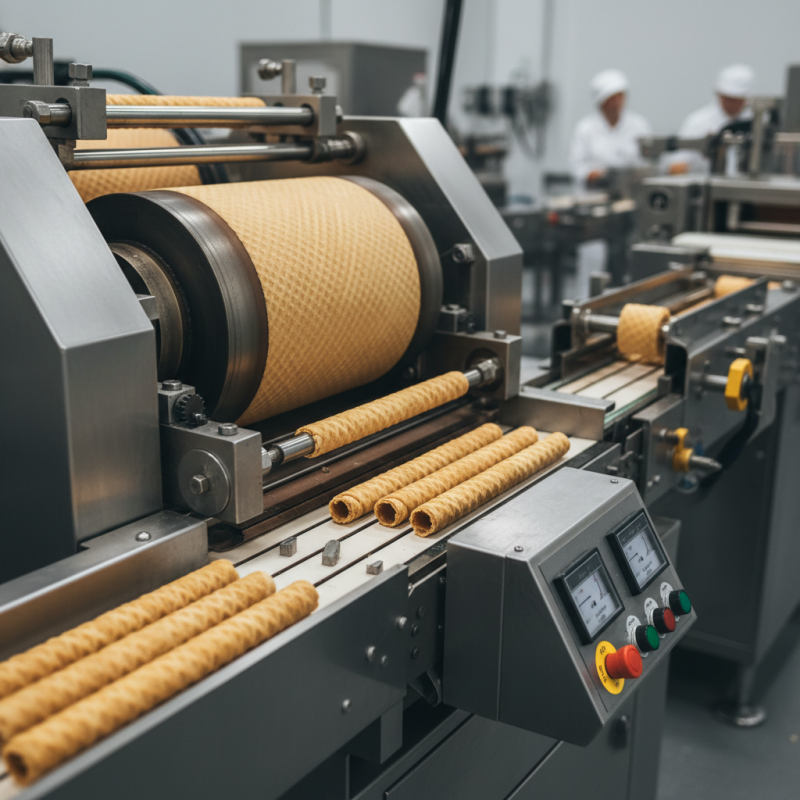
A wafer roll machine is an essential device in the food processing industry. It produces crispy, tubular wafers that are popular as snacks and dessert accompaniments. This machine combines various processes, including baking, rolling, and cooling. The result is a delicate wafer with a satisfying crunch.
The operation begins with mixing the batter. Once the batter is ready, it is poured onto a heated plate. The heat transforms it into a thin layer. After a few moments, the wafers are rolled into shape. This part of the process demands precision, as uneven rolling can lead to defects in the final product.
Tips: Pay attention to the temperature settings. Too high can burn the batter, while too low may undercook it. Also, use a proper cooling method. If the wafers cool too quickly, they can crack.
Effective maintenance of the machine is crucial. Regular cleaning prevents residue buildup, which can affect flavor. Keep an eye on the rollers; they should be smooth and in good condition. A minor repair can save time and money later.
Creating wafer rolls requires practice. Not every batch will be perfect. Learning from mistakes is an essential part of the process. Embrace the challenges to improve your technique over time.
The History and Development of Wafer Roll Machines
Wafer roll machines have a rich history that traces back to the 19th century. Originally, these machines were simple devices, designed for making thin, crispy wafers. Early models relied heavily on manual labor and lacked the precision of modern counterparts. This often led to inconsistencies in wafer thickness and texture. Despite their limitations, these machines laid the groundwork for future advancements.
By the early 20th century, technological innovation began to shape wafer roll production. Engineers introduced steam and electric-powered machines. These enhancements allowed for better control of temperatures and timings. As a result, manufacturers could produce uniform wafer rolls more efficiently. However, even with these improvements, issues remained. Some machines still struggled with dough consistency, impacting the final product's quality. Each development offered lessons, pushing the industry toward better designs.
The late 20th century marked a significant turning point. Automation and computer technology transformed wafer roll production. Machines became more efficient and capable of producing intricate designs. Still, the quest for perfection continues. Even today, manufacturers face challenges in scaling up production while maintaining quality. The evolution of wafer roll machines is a testament to both creativity and the ongoing need for enhancement.
What is a Wafer Roll Machine and How Does it Work? - The History and Development of Wafer Roll Machines
| Feature | Description | Significance |
| Type of Machine | Wafer Roll Machine | Used for producing thin wafer rolls. |
| Key Components | Heat source, roller molds, and feeding mechanisms. | Essential for the creation of uniform and crispy wafers. |
| Production Speed | Can produce up to 1000 rolls per hour. | Increases efficiency in manufacturing. |
| Application | Used in snack food industries, dessert making, and ice cream cones. | Versatile use in various food products. |
| History | Developed in the 20th century with advancements in technology. | Innovations have led to increased production capabilities. |
| Future Trends | Focus on automation and energy efficiency. | Responding to market demands for sustainability. |
How a Wafer Roll Machine Operates: A Step-by-Step Guide
A wafer roll machine is essential for producing delicious wafer rolls. Understanding how it operates is important for anyone interested in this treat. This guide will walk you through the machine's operation step-by-step.
To begin, the machine requires a mixture of ingredients. A batter is created using flour, sugar, and water. This mixture should have the right consistency to ensure even cooking. A tip is to test small batches first. If the batter is too thick, it won't cook properly. Ensure you have enough fluidity to create thin layers.
The mixture is then poured onto a heated surface. This typically happens on a rotating plate or a hot grill. The cooking time is crucial; too long and the wafers become brittle. Too short and they won’t roll properly. Keep an eye on the color. It should be a golden brown. Once cooked, the wafer must be rolled quickly before it cools. This can be tricky. A good tip is to practice rolling techniques with small pieces.
Finally, ensure the machine is cleaned after every use. This maintains the integrity of the machine and quality of the product. Improper cleaning can lead to contamination. Always inspect the machine for any residue. It’s a small detail but can make a big difference in the final product.
Key Components of a Wafer Roll Machine
A wafer roll machine is essential in producing delicious wafer rolls. Understanding its key components can help grasp its functionality.
One critical part is the baking chamber. This chamber heats the batter evenly, ensuring proper cooking. Another important component is the roller. It shapes the wafers as they exit the baking chamber. The roller must be perfectly calibrated; even a slight misalignment can ruin the texture of the roll.
The cooling system is equally vital. It preserves the wafer's crispiness, preventing it from becoming soggy too quickly. Fluctuations in temperature can lead to inconsistent results. Finally, the cutting unit divides the long rolls into manageable pieces. Proper calibration is crucial to meet product specifications. However, achieving perfection can be tricky. Operators must constantly monitor the machine to maintain quality control.
Production Capacity of Wafer Roll Machines
This bar chart displays the estimated production capacity (in units per hour) of different types of wafer roll machines based on their configurations.
Applications and Benefits of Using Wafer Roll Machines
Wafer roll machines are essential in the food industry. They produce thin, crispy wafers used in various snacks and desserts. According to industry reports, the global wafer market is expected to reach $25 billion by 2026. This growth highlights the increasing demand for high-quality wafer products.
One of the main applications of wafer roll machines is in the production of rolled wafers. These machines can create different shapes and sizes, catering to diverse consumer preferences. This versatility allows manufacturers to innovate and introduce new products. The automation in these machines increases efficiency, minimizing labor costs by up to 30%. However, some manufacturers face challenges in maintaining quality during high-volume production.
Using wafer roll machines also provides economic benefits. They reduce raw material waste significantly, utilizing nearly 90% of inputs effectively. Plus, they require less energy compared to traditional methods. Still, there are concerns regarding maintenance costs. Regular upkeep is necessary to ensure optimal performance. Without proper maintenance, production inefficiencies can arise. Companies must consider these factors when investing in new machinery.
