
Why Choose Concrete Grinding Tools for Your Project?
Choosing the right concrete grinding tools can shape the entire outcome of a flooring project. The difference appears underfoot. A suitable grinder removes coatings evenly, exposes the desired aggregate, and leaves a surface ready for polishing or repair. An unsuitable tool may create deep scratches, uneven edges, or unnecessary dust. Those defects consume time and money.
Bob Harris, a respected concrete polishing educator and founder of the Decorative Concrete Institute, has emphasized a practical principle: “Concrete polishing is not a one-size-fits-all process.” That idea applies directly to tool selection. Contractors must examine slab hardness, coating thickness, moisture conditions, and the required finish. A soft concrete floor may respond well to a less aggressive diamond bond. Hard concrete often needs a different segment design. Small corners may require handheld equipment, while large warehouses demand planetary grinders.
The best choice also reflects real working conditions. Think about a technician guiding a machine across a dusty warehouse at 7 a.m. Balance, vibration control, and dust extraction suddenly matter. So does the tool’s ability to maintain a consistent scratch pattern. Experienced contractors usually test a small area first. It is a modest step, but skipping it can be expensive.
No tool solves every problem. That is worth admitting. Product claims can sound convincing, yet concrete varies from site to site. Reliable decisions come from field testing, manufacturer guidance, and measurable results. When selected carefully, concrete grinding tools can improve efficiency, surface quality, worker control, and long-term project value.
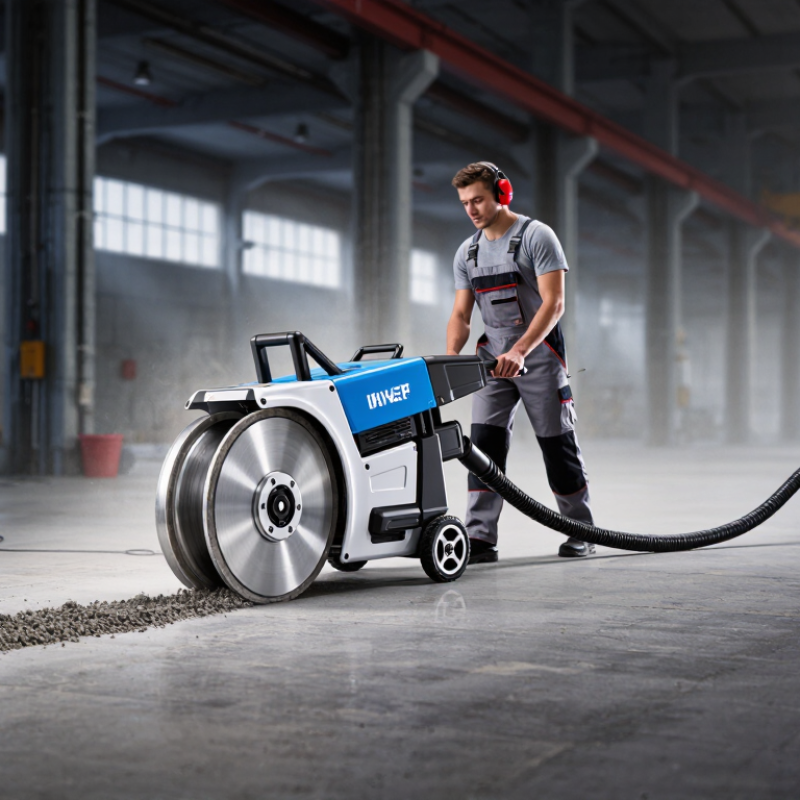
Table of Contents
[Hide]
Concrete Grinding Tools: Definition and Main Functions
Why Choose Concrete Grinding Tools for Your Project?
Concrete grinding tools are machines fitted with abrasive diamond segments. They remove uneven concrete, old coatings, stains, and weak surface layers. Their main function is surface correction. They can also prepare floors for overlays, sealers, or polished finishes.
On site, the right grinder can turn a rough slab into a consistent working surface. Handheld tools suit edges and tight corners. Larger planetary grinders cover open floors more evenly. Tool selection depends on hardness, coating thickness, moisture, and required finish. A soft concrete slab may need a different diamond bond than dense concrete. This detail is easy to miss. OSHA estimates that about 2.3 million U.S. workers face occupational silica exposure, including roughly 2 million construction workers. Its respirable silica rule limits exposure to 50 micrograms per cubic meter over eight hours. Dust control is not optional. It is part of competent grinding practice.
Tips: Use local exhaust ventilation or wet methods where suitable. Check the floor for embedded metal before grinding. Begin with a small test area. Record the abrasive type, machine speed, and dust results. The International Concrete Repair Institute recommends evaluating the substrate before surface preparation. That step may feel slow. It often prevents costly rework. NIOSH guidance also supports engineering controls, suitable respirators, and housekeeping methods that avoid dry sweeping. Even experienced crews can underestimate edge dust. Watch it closely.
| Tool Type | Definition | Main Function | Typical Application | Common Abrasive | Recommended Surface Condition | Key Project Benefit |
|---|---|---|---|---|---|---|
| Handheld Concrete Grinder | A compact electric or battery-powered grinder designed for localized surface work. | Grinding edges, corners, small high spots, and hard-to-reach areas. | Edge preparation, repair patches, small rooms, stair treads, and spot correction. | Diamond cup wheel or small diamond grinding disc | Small areas | Improves control and access where larger equipment cannot operate. |
| Single-Disc Floor Grinder | A walk-behind machine with one rotating grinding disc for general floor preparation. | Removing surface irregularities, laitance, coatings, and minor contamination. | Small to medium floors, garages, workshops, and renovation projects. | Resin-bond or metal-bond diamond tooling | Light to medium correction | Provides a practical balance between maneuverability and grinding coverage. |
| Planetary Floor Grinder | A machine in which multiple satellite discs rotate around a larger central axis. | Leveling, polishing, and producing a more uniform concrete profile. | Large commercial floors, warehouses, showrooms, and polished concrete systems. | Metal-bond diamonds for grinding; resin-bond diamonds for polishing | Medium to large areas | Delivers consistent results and efficient coverage on broad surfaces. |
| Angle Grinder with Diamond Cup Wheel | A handheld rotary tool fitted with a segmented or continuous diamond cup wheel. | Fast removal of small amounts of concrete, mortar, paint, and adhesive. | Edges, corners, vertical surfaces, localized repairs, and detail work. | Segmented diamond cup wheel | Localized removal | Offers fast material removal with low equipment setup requirements. |
| Concrete Scarifier | A surface-preparation machine that uses rotating cutters to impact and remove concrete or coatings. | Creating a textured profile and removing thicker surface layers. | Coating removal, trip hazards, ramps, heavily contaminated floors, and repair preparation. | Carbide cutters or steel milling cutters | Heavy removal | Produces a more aggressive profile than standard grinding for strong mechanical bonding. |
| Diamond Grinding Cup Wheel | An abrasive wheel with diamond segments bonded around its outer edge. | Grinding, shaping, and smoothing concrete and masonry surfaces. | Surface leveling, mortar removal, edge work, and preparation before coatings. | Metal-bond diamond segments | Hard materials | Maintains cutting performance on concrete while offering long abrasive life. |
| Diamond Polishing Pad | A flexible or rigid abrasive pad used after coarse grinding to refine the surface. | Honing, smoothing, and polishing concrete to a denser, more reflective finish. | Decorative floors, polished concrete, retail spaces, and residential interiors. | Resin-bond diamond abrasives | Fine finishing | Creates a smoother appearance and can improve cleanability when properly specified. |
| Dust-Control Grinding System | A grinder paired with a shroud and industrial vacuum to capture airborne dust at the source. | Reducing respirable crystalline silica exposure and improving worksite cleanliness. | Indoor grinding, occupied buildings, renovation work, and enclosed construction areas. | Compatible diamond grinding tools with dust shroud | Dust-sensitive work | Supports safer working conditions and reduces cleanup time when correctly operated. |
| Wet Grinding System | A grinding setup that uses water to cool the tooling and suppress airborne dust. | Grinding hard concrete while controlling heat and dust generation. | Large open areas, hard aggregates, exterior slabs, and selected polishing operations. | Wet-use diamond tooling | Hard or heat-sensitive surfaces | Can extend tool life and reduce airborne dust, but requires slurry management. |
Selection should be based on concrete hardness, surface condition, required profile, project area, dust-control requirements, available power, and the intended finish. Always follow the tool manufacturer’s operating instructions and applicable workplace safety requirements.
Related Posts
-

Top Concrete Grinding Equipment for China Best Suppliers?
-

Unlocking the Power: Benefits of Using a Concrete Hand Grinder for Your DIY Projects
-
How to Maximize Efficiency with Concrete Grinding Equipment in Your Projects
-

Ultimate Guide to Using a Concrete Hand Grinder for Flawless Finishing
-

Top Strategies for Sourcing the Best Diamond Grinding Tools Globally: Insights and Data
-
Top Strategies for Maximizing Efficiency with Best Concrete Grinding Machines