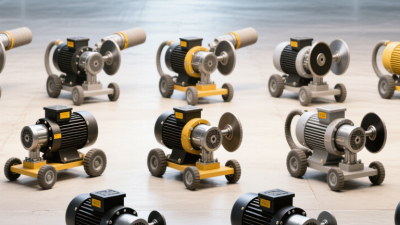
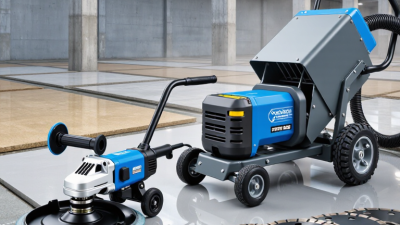
Choosing the right floor grinding machine in 2026 requires more than comparing motor power or catalogue prices. Global buyers must match the equipment with concrete hardness, coating thickness, floor area, and available power. A compact single-disc grinder can handle corners, repairs, and small rooms. Planetary grinders deliver smoother results across warehouses, factories, and commercial spaces. Edge grinders reach wall lines that larger machines often miss. Scarifiers may suit heavy surface removal, but they can leave deeper marks. Each type has a different purpose.
Practical experience shows that dust control is equally important. A reliable grinder should connect with an industrial vacuum and provide effective dust protection. Operators should also check working width, weight, grinding pressure, tooling availability, noise levels, and service support. These details affect productivity every day. A machine may look powerful. It may still perform poorly on soft concrete or uneven surfaces. That assumption often fails.
Buyers should request test results, warranty terms, replacement parts, and clear technical documentation. Regional voltage, transport conditions, and local maintenance skills also deserve attention. Reputable manufacturers explain limitations instead of promising universal performance. This guide compares major floor grinding machine types for different applications and budgets. It also considers operator control, long-term reliability, and total ownership cost. Some recommendations remain conditional. Site testing is still wiser than a confident guess. The best choice is not always the largest machine. It is the one that produces a consistent finish, controls dust, and remains practical after years of use.
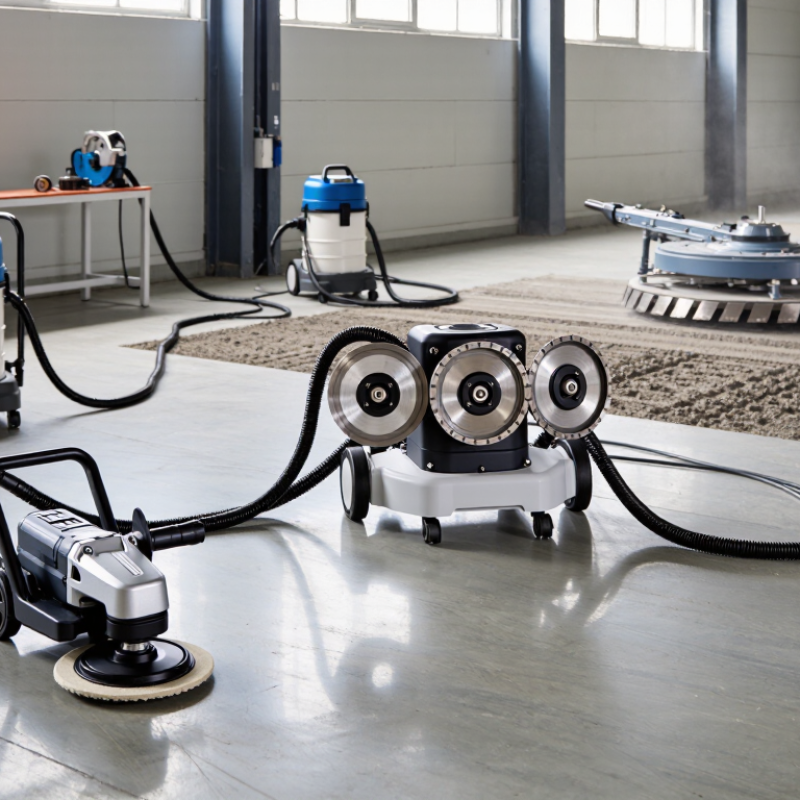
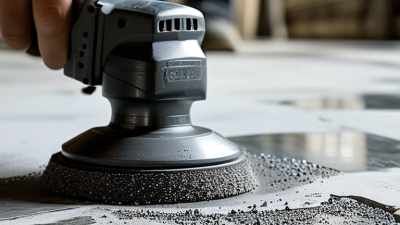
A floor grinding machine removes thin layers from concrete, terrazzo, and similar surfaces. It uses rotating abrasive tools to level high spots, expose aggregate, or prepare floors for coatings. The machine does not simply “polish” concrete. Tool type, pressure, speed, and floor hardness all affect the result.
Most machines use diamond segments fixed beneath a rotating plate. Single-disc models suit small rooms and controlled repairs. Planetary grinders use several satellite heads, creating a more even finish across large areas. Edge grinders reach corners that larger machines miss.
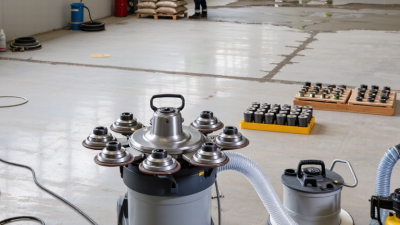
During operation, the abrasive breaks down surface material while an integrated dust shroud connects to an industrial vacuum. This matters. Fine dust can reduce visibility and damage nearby equipment.
In practical use, operators should inspect cracks, joints, moisture, and floor hardness before choosing tooling. Coarse diamonds remove uneven material quickly, while finer grades refine the surface. Excessive pressure may create swirl marks or overload the motor. Too little pressure wastes time.
Power requirements also vary between regions, so buyers should verify voltage, frequency, plug design, and extraction compatibility. I have seen buyers focus on motor power alone. That is a mistake. Machine balance, handle control, tool availability, and service support often decide daily productivity. A flawless surface is not always necessary, and chasing one can remove more material than the project allows.
The best floor grinding machine depends on the floor, workspace, and required finish. Planetary grinders use multiple rotating discs for even concrete polishing and large commercial areas. They handle hard concrete well but may require careful pressure control. Single-disc rotary grinders suit small rooms, repair work, and coating removal. Their simpler movement helps operators work around posts and narrow paths.
Edge grinders are designed for corners, walls, and stair edges. They reach places larger machines cannot. For thick coatings or uneven concrete, a heavier grinding machine with diamond tooling can save time. Terrazzo needs controlled grinding to protect its decorative aggregate. Epoxy removal usually requires stronger tooling and effective dust collection. I have found that selecting only by motor power is a weak method. Weight, disc size, vacuum compatibility, and operator control matter just as much.
Tips: Check the floor hardness before choosing diamond segments. Use a dust extractor suited to the machine. Test a small area first. Keep spare tooling nearby. Record the surface response, because the first setting may not be ideal. Always follow local safety requirements, including eye, hearing, and respiratory protection. A machine can look efficient on paper but perform poorly in a tight room. Consider transport, power supply, noise limits, and service access before purchase.
Choosing a floor grinding machine starts with the surface, not the catalog photo. Concrete, terrazzo, and adhesive-covered floors require different grinding systems. Compare motor power, grinding width, and tool speed carefully. A wider head covers more area, but it may struggle in narrow rooms. Variable speed helps operators control heat and surface aggression. This matters when removing coatings without gouging soft concrete.
Dust control deserves equal attention. Check the dust port diameter, airflow requirements, and sealed electrical components. A machine with poor dust collection can leave a gray film on walls and equipment. Weight also affects daily performance. Heavier machines often improve stability, yet they become difficult to transport upstairs. Review handle adjustment, wheel design, cable length, and emergency controls. These small details shape real productivity.
Tips: Ask for test results on a similar floor. Request noise and vibration data at the operator position. Confirm available tooling, replacement costs, and service instructions. Look beyond peak power. Continuous output is more useful during long shifts. In my experience, published coverage rates can feel optimistic on uneven floors. Site conditions change everything. Leave room for slower progress, especially near edges and repaired sections. A short on-site trial may reveal awkward controls or poor balance before purchase.
Selecting a floor grinder for a global project requires more than comparing motor power. The floor condition matters most. A planetary grinder suits large concrete areas and produces a more even finish. A single-disc grinder offers better control in narrow rooms and around columns. For thick coatings or uneven slabs, a scarifier may remove material faster. It can also leave deeper marks.
Check the power supply before ordering. Voltage, frequency, plug design, and phase requirements can differ between job sites. A machine that works well in one country may need costly adjustments elsewhere. Confirm the dust extraction connection, filter type, and replacement availability. Fine concrete dust is hazardous, so effective collection and suitable protective equipment remain essential. Do not treat this as an optional upgrade.
A practical selection starts with a small floor test. Try the planned abrasive on a one-square-meter area. Record cutting speed, surface temperature, dust output, and visible scratches. Diamond tools should match the concrete hardness and coating thickness. Softer bonds often cut hard concrete more effectively, while harder bonds may last longer on softer floors. That rule is useful, but not perfect. Moisture, old repairs, and hidden aggregate can change the result. Ask for operating instructions, maintenance schedules, and service support in the destination market. Clear documentation builds reliability when local teams have limited training.
Technical comparison of common floor grinder categories for concrete preparation, coating removal, polishing, and renovation projects
| Floor Grinder Type | Typical Working Width | Typical Power Range | Common Drive System | Best-Suited Applications | Suitable Surface Area | Dust-Control Requirement | Main Advantages | Important Limitations | Global Project Selection Notes |
|---|---|---|---|---|---|---|---|---|---|
| Handheld Edge Grinder | 100–180 mm | 1.0–2.2 kW | Single-disc electric drive | Edges Corners Stairs Spot repairs | Small areas and perimeter zones | Dust shroud connected to a suitable industrial vacuum; wet grinding may be used where permitted | Lightweight, portable, precise near walls and obstacles, relatively easy to transport | Low production rate; operator fatigue can increase during long-duration work | Choose a model with an adjustable guard, comfortable grip, compatible dust port, and voltage suitable for the destination country |
| Single-Disc Floor Grinder | 250–450 mm | 1.5–4.0 kW | Single rotating disc | Paint removal Adhesive removal Small renovations Light grinding | Small to medium areas | Dry grinding requires local dust extraction; wet grinding can reduce airborne dust but creates slurry | Simple operation, lower purchase and transport cost, suitable for general maintenance work | May leave visible grinding patterns; limited productivity on large or heavily uneven floors | Useful for contractors needing a versatile machine for repair, renovation, and small commercial projects |
| Planetary Floor Grinder | 450–800 mm | 5.5–15 kW | Multiple satellite discs rotating around a central axis | Concrete grinding Polishing preparation Coating removal Large commercial floors | Medium to large areas | High-capacity dust extractor with appropriate filtration is normally required for dry work | Good coverage, more uniform scratch pattern, improved balance, and efficient tooling utilization | Higher initial cost, greater transport weight, and more complex tooling requirements | Often the most adaptable choice for global contractors handling multiple concrete hardness levels and finish specifications |
| Remote-Controlled Planetary Grinder | 600–1,000 mm | 11–30 kW | Multi-disc planetary drive with remote control | Large warehouses Industrial floors High-output polishing Long shifts | Large areas and continuous production work | High-volume dust extraction and carefully managed electrical supply are required | High productivity, reduced operator exposure to dust and vibration, consistent movement over broad areas | High capital cost, more complicated service requirements, and greater shipping and access constraints | Confirm remote-control regulations, spare-parts availability, site access dimensions, and technician support before purchase |
| Ride-On Floor Grinder | 750–1,200 mm | 15–45 kW | Multi-disc drive with operator seat | Airports Distribution centers Industrial slabs Very large projects | Very large, open floor areas | Large dust-collection system, suitable site ventilation, and dedicated power planning are necessary | Very high output, reduced walking fatigue, and efficient use on open unobstructed floors | Requires wide access routes, turning space, trained operators, and substantial logistics capacity | Best selected when project area, schedule, and site access justify a high-capacity machine |
| Walk-Behind Scarifier / Milling Machine | 200–500 mm | 4.0–15 kW | Rotating cutter drum or milling drum | Thick coatings Concrete ridges Level correction Surface texturing | Small to medium areas requiring aggressive removal | Dust extraction is strongly recommended for dry operation; slurry control is needed for wet methods | Removes material aggressively, creates a mechanical profile, and can correct localized unevenness | Leaves a rougher profile than a grinder and may require a subsequent grinding or polishing step | Use when material removal depth and surface profiling are more important than producing a smooth finish |
| Shot Blasting Machine | 200–500 mm | 5.5–30 kW | High-speed abrasive wheel with steel shot recycling | Coating preparation Concrete profiling Oil-contaminated surfaces Large flat slabs | Medium to large flat areas | Requires an integrated or connected industrial dust collector to manage fine particles and spent abrasive | Produces a relatively uniform profile, contains abrasive within the system, and prepares surfaces efficiently | Not ideal for edges, soft substrates, highly uneven floors, or delicate decorative surfaces | Verify steel-shot availability, dust-collector compatibility, floor flatness, and local waste-handling requirements |
| Wet Concrete Polisher / Grinder | 250–750 mm | 2.2–15 kW | Single-disc or planetary multi-disc drive | Decorative concrete Hard concrete Polishing Heat-sensitive work | Small to large areas, depending on configuration | Requires controlled water supply, slurry collection, drainage, and appropriate wastewater handling | Reduces airborne dust, controls tooling temperature, and can improve diamond-tool life in some applications | Creates slurry, increases cleanup requirements, and may be unsuitable where water discharge is restricted | Choose wet processing only after confirming water availability, drainage, environmental rules, and final-floor moisture requirements |
Typical ranges are general industry planning values and vary by machine configuration, tooling, material-removal depth, concrete hardness, and operating conditions.
2026 Best Floor Grinding Machine Types for Global Buyers
Safety, Maintenance, and Operating Requirements for Buyers
Planetary grinders suit large concrete floors, while single-disc machines offer better control in small rooms and corners. Edge grinders help finish areas near walls. Wet grinding reduces airborne dust, but it requires controlled water collection and slip prevention. Dry grinding needs certified dust extraction and suitable filters. OSHA’s respirable crystalline silica standard sets an exposure limit of 50 micrograms per cubic meter over eight hours. Its action level is 25 micrograms.
Operators should inspect guards, plugs, cables, diamond tools, wheels, and emergency controls before every shift. Keep hands away from rotating parts. Use fitted eye, hearing, respiratory, and foot protection. NIOSH recommends limiting occupational noise exposure to 85 dBA over eight hours, using a three-decibel exchange rate. Measure noise at the operator’s ear, not beside the machine.
Maintenance must follow actual working conditions, not only calendar intervals. Remove dust from ventilation paths, check bearings for heat, and replace worn segments before metal contacts the floor. Log operating hours, tool wear, vibration, and repairs. No checklist is perfect. Operators may still miss a loose connection after a long shift. Buyers should request training records, guarding details, dust-control test results, and clear spare-part support. A cheaper machine can become expensive when filters clog quickly or adjustment instructions remain unclear.
Safety, maintenance, and operating requirements vary by machine design, floor area, and material removal rate. The chart compares commonly available floor-grinding machine categories using typical motor-power ranges used for buyer planning.
Best for large concrete areas and consistent surface preparation. Buyers should confirm dust extraction compatibility, electrical supply, and tooling availability.
Suitable for small and medium areas. Operators should control cable routing, use appropriate PPE, and inspect the disc, guard, and power cable before operation.
Useful for corners and detail work. Eye, hearing, respiratory, and hand protection are essential, especially when dry grinding creates airborne dust.
Clean dust from vents after use, inspect diamond tooling and guards daily, check extraction hoses and filters, and follow the equipment manual for lubrication and electrical inspections.
Power figures are typical market-planning values and can vary by voltage, motor configuration, grinding width, tooling system, and regional electrical requirements. Buyers should verify the final specification, applicable local regulations, and manufacturer operating instructions before purchase.
| Cookie | Duration | Description |
|---|---|---|
| cookielawinfo-checkbox-analytics | 11 months | This cookie is set by GDPR Cookie Consent plugin. The cookie is used to store the user consent for the cookies in the category "Analytics". |
| cookielawinfo-checkbox-functional | 11 months | The cookie is set by GDPR cookie consent to record the user consent for the cookies in the category "Functional". |
| cookielawinfo-checkbox-necessary | 11 months | This cookie is set by GDPR Cookie Consent plugin. The cookies is used to store the user consent for the cookies in the category "Necessary". |
| cookielawinfo-checkbox-others | 11 months | This cookie is set by GDPR Cookie Consent plugin. The cookie is used to store the user consent for the cookies in the category "Other. |
| cookielawinfo-checkbox-performance | 11 months | This cookie is set by GDPR Cookie Consent plugin. The cookie is used to store the user consent for the cookies in the category "Performance". |
| viewed_cookie_policy | 11 months | The cookie is set by the GDPR Cookie Consent plugin and is used to store whether or not user has consented to the use of cookies. It does not store any personal data. |