Why Choose a Hand Grinder for Coffee?
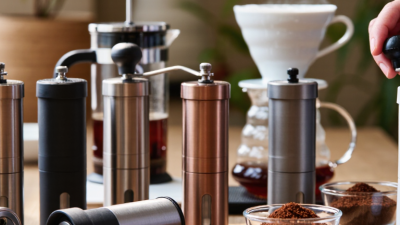
A hand grinder can turn a quick morning routine into a quieter, more deliberate ritual. You feel the beans crack beneath the burrs and notice their changing resistance. There is no motor’s hum. Just a handle, a steady rhythm, and fresh grounds ready for the brewer. For travelers, small kitchens, and coffee drinkers who value control, that simplicity can be a real advantage.
Coffee educator James Hoffmann has emphasized the grinder’s central role in brewing, often summarized in the line, “The grinder is the most important piece of equipment in your coffee setup.” A capable hand grinder makes that idea tangible: consistent grounds can support more even extraction, while adjustable settings let you move from espresso-fine to French-press coarse. But hand grinding is not effortless. Light roasts can take patience, and a bargain model may produce uneven particles. Not every cup improves by magic.
The useful question is not whether a hand grinder is universally better. It is whether its portability, quiet operation, and tactile control fit your habits. Consider burr quality, adjustment range, capacity, and how comfortable the handle feels after several minutes. A grinder that looks elegant on a shelf may still frustrate your hands. Small details matter. This guide explores the practical trade-offs, helping you choose a hand grinder for the coffee you actually make—not an idealized routine you may never keep.
How a Hand Grinder Turns Coffee Beans into Grounds
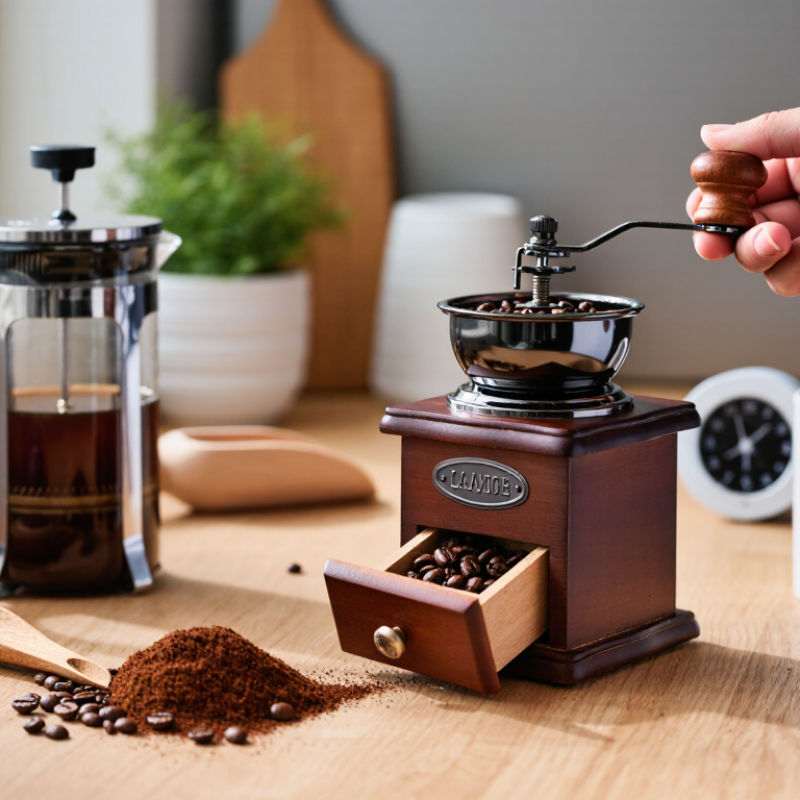
A hand grinder turns whole beans into grounds through a small, controlled crushing action. Beans sit in a hopper above two burrs. Turning the crank rotates one burr against the other, breaking beans into smaller pieces. The adjustment dial changes the burr gap: a wider gap makes coarser grounds, while a narrower gap makes finer ones. Grounds drop into a cup below. It is simple. But the result depends on steady cranking and a sensible setting. A few beans may remain unevenly sized; that is normal, not a sign of failure.
Grind size changes how quickly water extracts flavor. Fine grounds offer more exposed surface, so water passes through them differently than it does through coarse grounds. The Specialty Coffee Association’s Golden Cup standard gives a brew ratio of 55 grams of coffee per liter of water, with a 10% range. That measured starting point helps make grind adjustments easier to assess. The National Coffee Association’s 2024 National Coffee Data Trends report found that 67% of U.S. adults had coffee the previous day, showing how routine brewing is for many people. Still, a hand grinder will not make every cup identical. Bean freshness, pouring, and small changes in crank speed matter too. Try one setting at a time, and note what tastes clearer—or simply less harsh.
How Grind Size Control Supports Different Brewing Methods
Why Choose a Hand Grinder for Coffee?
Grind size control helps match coffee particles to the time water spends with them. A hand grinder lets you adjust the setting in small steps, which is useful when changing brewing methods. For pour-over, a medium grind often supports a steady flow through the filter. French press usually works better with a coarser grind, which can reduce fine sediment in the cup. Espresso needs a much finer, more consistent grind to manage its brief extraction.
Small changes matter. If a pour-over tastes thin or sharply sour, try grinding a little finer and taste again. If water drains slowly and the cup tastes harsh, a coarser setting may help. These are clues, not rules: beans, roast level, water temperature, and pouring technique also affect flavor. It is easy to blame the grinder too quickly. Even experienced brewers sometimes adjust several things at once, making the cause harder to identify.
Tips: Change one setting at a time, and note the result. Keep the grinder clean; trapped grounds can dull fresh aromas. Don’t chase a perfect number. Different grinders and beans behave differently, so use taste and brew time as practical guides.
Why Grinding Freshly Can Improve Coffee Flavor
Why Choose a Hand Grinder for Coffee?
Why Grinding Freshly Can Improve Coffee Flavor
Coffee begins changing after grinding. Its larger exposed surface lets aromatic compounds escape and brings grounds into contact with air. Grinding just before brewing can preserve more of those aromas, making a cup smell brighter and taste more defined. A hand grinder takes little counter space and gives you direct control over grind size. Turn the handle, feel the beans break down, and notice how small adjustments affect your brew. A coarse grind may taste thin in a pour-over, while a finer one can bring out more sweetness. Still, fresh grinding cannot rescue stale beans or poor water. I have sometimes adjusted my grind repeatedly when the beans were simply past their best.
Tips: Grind only what you need. Match the setting to your brewing method, then change one step at a time. Keep the grinder dry and brush out old grounds. Taste first.
Manual grinding takes effort, especially with dense beans. It may not suit every rushed morning. But for one cup, the slower pace can help you notice small changes. Use a steady motion rather than rushing. If the coffee tastes sharp, try a slightly finer grind or a longer brew. If it tastes dull or bitter, try going coarser. These are starting points, not rules. Water, recipe, and personal taste matter too. The difference from fresh grinding can be subtle; sometimes, the clearest improvement is in the aroma.
How Portability and Quiet Operation Suit Everyday Use
Why Choose a Hand Grinder for Coffee?
How Portability and Quiet Operation Suit Everyday Use
A hand grinder is easy to carry because it needs no outlet or battery. Its compact body can fit beside a mug in a work bag or camping kit. No motor. No cord. That makes it useful in a small kitchen, too, where counter space is already spoken for. Grinding by hand still makes a soft, dry crunch, but it is usually less disruptive than an electric grinder. Early mornings feel quieter when the rest of the household is asleep.
Portability also means fewer setup worries. You can grind beans at a cabin, in a hotel room, or at a picnic table, then brew with the method you have on hand. A sturdy lid and a close-fitting grounds container help keep stray coffee out of your bag. Still, manual grinding takes time and effort, especially for a fine espresso-style grind or several cups at once. That trade-off is easy to underestimate. For one or two servings, a steady turn of the handle can be a calm part of the routine; for a rushed morning, it may feel like one task too many. The handle may wobble slightly, and that is worth checking before buying.
What to Consider When Choosing a Hand Grinder
Choosing a hand grinder starts with the coffee you make most often. For a single cup, a small hopper may be enough; brewing for several people means repeated refills and extra work. Check the burr type and adjustment range, too. A consistent grind matters for even extraction, while clear settings make it easier to move between a fine espresso grind and a coarser press. Tiny clicks can be frustrating.
Comfort is easy to overlook. Hold the grinder as if you were turning its handle: a narrow body may slip, and a short handle can strain your wrist during a coarse grind. If possible, test the motion before buying. Weight also involves a trade-off. A heavier grinder may feel steadier on the counter, but it is less pleasant to pack for a trip. Small details matter.
Consider cleaning and replacement parts, not just the finish. Coffee oils and fine particles collect around burrs, so check whether the grinder can be opened without special tools. Metal parts may tolerate frequent travel, while a glass catch cup needs gentler handling. Capacity claims can be optimistic; compare them with the dose you actually use. And hand grinding takes time. That quiet ritual suits some mornings, but on a rushed day, perhaps not.
Why Choose a Hand Grinder for Coffee?
A hand grinder gives you direct control over grind size without electricity. When choosing one, consider adjustment range, ease of use, and how consistently it can grind for your preferred brewing method.
Approximate target particle-size ranges in micrometers (µm). Actual results vary with the grinder, coffee, and recipe; these ranges overlap and are a starting point, not a universal standard.