Superabrasive

7 Best Concrete Floor Grinding Machines in 2026

Concrete floor grinding is rarely a one-machine-fits-all job. A small garage, a warehouse aisle, and a polished retail floor place different demands on a grinder. Width, motor power, head design, and dust collection all affect the finish and the pace of work. The U.S. Geological Survey’s Mineral Commodity Summaries 2025 estimates U.S. cement production at about 90 million metric tons in 2024. That figure describes material production, not grinder sales, but it signals the scale of concrete construction and renovation. Scale alone does not choose your machine.

Dust control deserves equal attention. OSHA’s Respirable Crystalline Silica standard sets a permissible exposure limit of 50 micrograms per cubic meter of air, averaged over an eight-hour shift. Its action level is 25 micrograms. These are measurable limits, not optional accessories. A grinder’s shroud and compatible extraction system can matter as much as its grinding speed. Dust matters.

This guide compares seven concrete floor grinding machines for 2026 across practical job needs, including edge access, surface area, tooling flexibility, and dust-management options. The picks are not a substitute for a site assessment; slab hardness, coatings, power supply, and operator experience can change the right choice. Some specifications look impressive on paper. Real floors can disagree. Treat each recommendation as a starting point, then confirm tool compatibility, service support, and the manufacturer’s operating guidance before buying.
7 Best Concrete Floor Grinding Machines in 2026

How Concrete Floor Grinding Machines Work

How Concrete Floor Grinding Machines Work

A concrete floor grinder uses rotating diamond segments to shave down high spots and expose a more even surface. The machine’s motor turns one or more grinding heads, while the operator guides it across the slab in overlapping passes. Heavier machines often remove material faster, but they can be harder to control near walls and doorways. Small edges may still need a hand grinder.

The diamonds do the cutting. Coarse segments remove coatings or level rough areas; finer grits reduce visible scratches and prepare the floor for polishing or a new finish. Progress depends on concrete hardness, tooling, machine weight, and steady movement. A quick test patch helps reveal how the slab responds. It is not always predictable.

Tips: Use suitable dust collection, or the wet-grinding method specified for the equipment. Keep passes consistent, check the surface between grit changes, and avoid lingering in one spot. Wear eye, hearing, and respiratory protection. Dust matters. I have found that rushing a grit change can leave scratches that show clearly under side lighting, even when the floor looked smooth at first.

Key Criteria for Comparing Concrete Grinders in 2026

When comparing concrete grinders, look beyond motor power. Match the working width and head configuration to the floor: a narrow single-head machine can reach edges and small rooms, while a wider planetary grinder covers open areas faster. Check weight, handle adjustment, and wheel access, too. These details matter when moving the machine over a threshold or changing tooling mid-job. Dust matters.

Ask what surface profile the machine can consistently produce, not just how quickly it removes coating. ICRI 310.2R describes concrete surface profiles from CSP 1 to CSP 10; the required profile depends on the overlay or coating system. A grinder that leaves uneven swirls may need extra passes, even if its rated removal rate looks impressive. That trade-off is easy to underestimate.

Dust control belongs in any serious comparison. OSHA’s construction silica standard, 29 CFR 1926.1153, sets a permissible exposure limit of 50 micrograms per cubic meter as an eight-hour time-weighted average. Look for an effective shroud, compatible dust extraction, and a clear filter-cleaning process. Noise adds up. Compare stated sound levels and vibration data, but treat published figures as starting points: tooling, concrete hardness, and operator technique change real-world performance. I would also check service access and spare-part availability. Not glamorous, but a machine that is awkward to maintain can lose valuable work time.

Seven Best Concrete Floor Grinding Machines in 2026

Seven Best Concrete Floor Grinding Machines in 2026

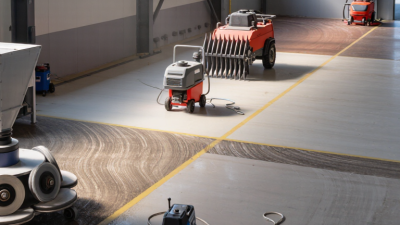
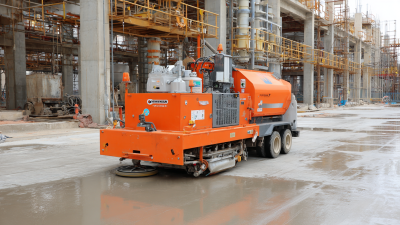
Choosing among the seven best concrete floor grinding machines in 2026 starts with the surface, not the sales brochure. Planetary grinders suit broad, even floors; single-head machines offer direct control in tighter rooms. For edges, a compact edging grinder reaches close to walls, though matching its finish to the main floor takes practice. Large open slabs may justify a ride-on grinder. Remote-controlled models reduce operator fatigue on extended jobs, while compact walk-behind units are easier to transport. Wet-grinding machines can limit airborne dust, but require slurry collection and careful cleanup.

Match the machine’s weight, motor capacity, and tooling to the coating and concrete hardness. A soft, worn slab may need gentler tooling than a dense, hard surface. ICRI’s Concrete Surface Profile guidance uses a scale from CSP 1 to CSP 10; the required profile depends on the coating system, so check its specification before grinding. Dust control is essential. OSHA’s 2016 respirable crystalline silica standard sets a permissible exposure limit of 50 micrograms per cubic meter over an eight-hour shift. Use suitable extraction or wet methods, and verify that the setup captures dust at the grinding head. Dust matters.

Compare machines under realistic conditions: inspect the edge finish, check vibration, and note how often tooling needs changing. OSHA’s silica limit is not a machine-performance rating, and a dust shroud alone does not prove exposure is controlled. Small details count. A common mistake is choosing the fastest grinder before testing the floor; one test pass can reveal uneven wear, hidden adhesive, or a finish that needs more refinement.

Specifications, Strengths, and Limitations of Each Machine

A useful 2026 comparison looks beyond motor size. Working width, head design, and dust collection determine how a grinder behaves on site. Typical specifications vary by model. A handheld grinder with a 4–7-inch disc reaches corners and removes small patches, but it is slow across open floors. A single-disc walk-behind unit, often 10–12 inches wide, is simpler to transport and suits small rooms; its narrow path can leave visible overlap marks. Dual-head counter-rotating machines cover more ground and are easier to control than some larger units, though their cut may be less uniform on uneven slabs. Three-head planetary grinders, commonly around 20–32 inches wide, deliver consistent scratch patterns over broad areas. They cost more and need room to maneuver.

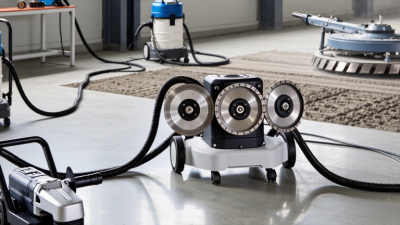
Dedicated edge grinders improve access near walls, but their smaller heads make large jobs inefficient. Remote-controlled planetary machines reduce operator fatigue on expansive sites, yet transport and setup can be demanding. Ride-on grinders offer high coverage on open floors, but their size limits access in tight spaces. Honestly, edge quality is often underestimated. Check tooling changes and extraction connections before comparing productivity claims; those details affect real job time. OSHA’s construction silica standard sets an eight-hour permissible exposure limit of 50 micrograms per cubic meter, with an action level of 25 micrograms (29 CFR 1926.1153). That is an exposure benchmark, not a machine rating. A grinder’s dust-control setup still needs checking against the work and applicable controls.

7 Best Concrete Floor Grinding Machines in 2026 - Specifications, Strengths, and Limitations of Each Machine

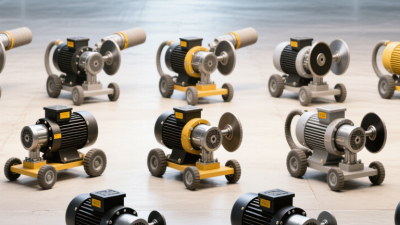
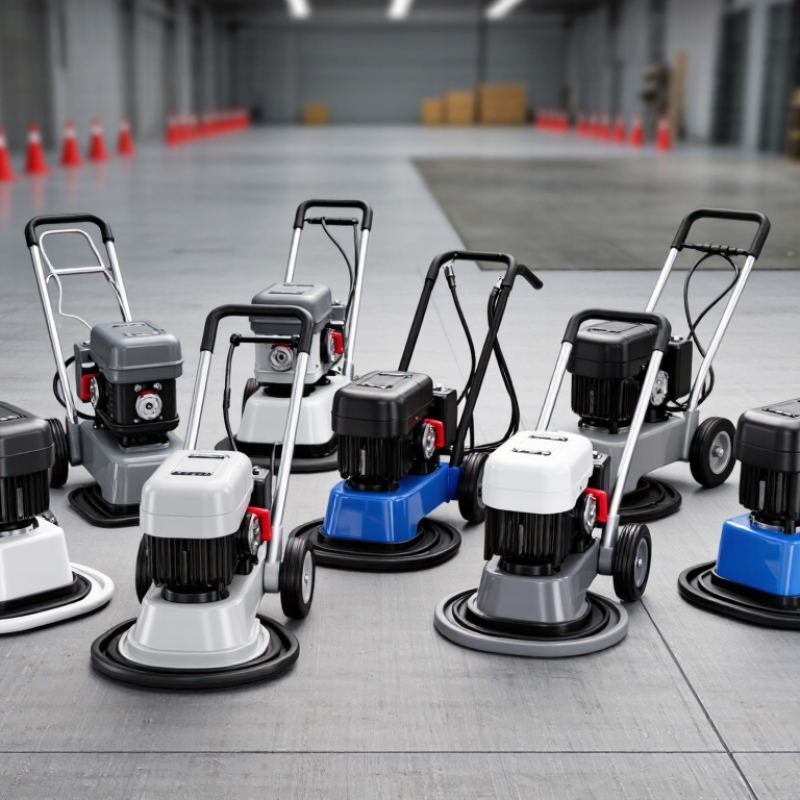
This comparison covers seven common grinder configurations rather than specific branded models. Specification ranges are typical of commercially available equipment and vary by manufacturer, tooling, and configuration.

Machine Type Typical Working Width Typical Power Typical Machine Weight Best Suited For Strengths Limitations
Compact single-head grinder 10–12 in (25–30 cm) 1.5–3 hp; usually 120 V or 230 V About 100–250 lb (45–113 kg) Small rooms, light coating removal, and localized surface preparation Portable, comparatively easy to transport, and practical in tight spaces Low production rate; can leave a less uniform finish than multi-head machines on large floors
Edge and corner grinder 7–10 in (18–25 cm) tooling diameter About 1–2 hp; commonly 120 V or 230 V About 15–60 lb (7–27 kg) Perimeters, corners, small patches, and areas inaccessible to walk-behind grinders Reaches close to walls and is easy to maneuver in confined areas Small coverage area; handheld operation can be tiring and requires careful dust control
Single-head walk-behind grinder 16–22 in (41–56 cm) About 5–10 hp; electric options vary by voltage and phase About 250–600 lb (113–272 kg) Small-to-medium floors, general grinding, and straightforward coating removal Simple setup and operation; useful balance of size, control, and grinding capacity May require more passes to achieve an even finish; larger units can be difficult to transport between levels
Planetary multi-head grinder 20–32 in (51–81 cm) About 7.5–15 hp; electric models may require single- or three-phase power About 400–1,000 lb (181–454 kg) Medium-to-large floors, polishing preparation, and consistent surface refinement Multiple rotating heads help produce a consistent scratch pattern and smooth finish Requires suitable tooling and operator adjustment; electrical supply and transport needs can be substantial
Wide-format production grinder 30–38 in (76–97 cm) About 15–25 hp; commonly three-phase electric About 1,000–2,000 lb (454–907 kg) Large open areas and projects where high daily coverage is important Wide working path can improve productivity on unobstructed floors Needs a larger transport vehicle, adequate site access, and compatible electrical service
Remote-controlled grinder About 25–38 in (64–97 cm) Typically 10–25 hp, depending on drive and power system About 700–1,800 lb (318–816 kg) Large projects, repetitive grinding, and work where reduced hands-on machine handling is valuable Remote operation can reduce operator fatigue and make machine control practical over long shifts Higher purchase and maintenance complexity; operators need training and clear site procedures
Propane-powered planetary grinder About 25–32 in (64–81 cm) Typically 20–30 hp engine output About 600–1,300 lb (272–590 kg) Large sites without convenient electrical service, when local rules allow propane equipment indoors Does not depend on a long, high-capacity electrical supply cable and can deliver strong production output Produces engine exhaust; requires ventilation, emissions controls where applicable, fuel handling, and compliance with site rules

Selection note: Confirm the machine’s actual voltage, phase, amperage, dust-extraction requirements, tooling compatibility, and transport weight before purchase or rental. Production rates depend heavily on concrete hardness, coating type, tooling, and operator technique.

How to Choose a Grinder for Your Project and Floor Conditions

A grinder should match the slab, not just the size of the job. Start with the floor. Hard, dense concrete often responds better to softer-bond diamond tooling, while softer concrete may need a harder bond to slow wear. A small test patch can reveal whether the diamonds are cutting or merely polishing the surface. Check for paint, adhesive, and uneven areas; each can change the tooling and number of passes required.

For a broad, open slab, a planetary grinder can leave a more even finish across large areas. Single-head machines may be easier to maneuver in tight rooms, though they can leave visible tracks if handled unevenly. Consider the machine’s weight, working width, and available power against the site: a wide grinder is less useful if doorways are narrow or circuits cannot support it. Dust matters. Use effective dust extraction and suitable filtration, especially indoors.

Match the tooling to the finish you need, from coating removal to fine polishing. Ask how quickly segments can be changed and whether the machine can reach close to walls; edge work often takes longer than expected. On older slabs, cracks and patches may grind differently from the surrounding concrete. No specification sheet can predict every surface. Keep the first pass conservative, inspect the result under angled light, and adjust the tooling or speed before committing to the whole floor.

All search results